Standing tall as the highest peak in Costa Rica, Mount Chirripó offers an unparalleled multi-day trekking experience that challenges and rewards in equal measure. For first-time multi-day trekkers, the thought of conquering this majestic mountain can feel daunting, but with careful planning and preparation, it’s an entirely achievable and unforgettable adventure. This beginner’s guide is designed to walk you through every essential step, ensuring your first multi-day trek in Chirripó is a safe, enjoyable, and successful journey into the heart of Costa Rica’s Talamanca mountains.
This post may contain affiliate links, which means if you make a purchase through them, we may earn a small commission at no extra cost to you.
Embarking on Your Chirripó Adventure

Chirripó National Park is a jewel of biodiversity, boasting dramatic landscapes that range from cloud forests to alpine-like páramos. The trek to the summit typically involves at least one overnight stay at the Base Crestones hut, allowing you to experience the stunning sunrises and unique ecosystems firsthand. While it’s a demanding climb, the panoramic views and sense of accomplishment are truly priceless.
Essential Permits and Reservations
Securing your permits is the absolute first step and arguably the most crucial. Access to Chirripó National Park is strictly controlled to preserve its delicate environment, and permits must be obtained well in advance, especially during peak season. You’ll need permits for park entry and reservations for overnight stays at Refugio Crestones (Base Crestones). Without these, you won’t be allowed on the trail. For a detailed guide on the application process and what to expect, check out our comprehensive article on Chirripó National Park permits.
Physical Preparation for High Altitudes
The Chirripó trek involves significant elevation gain, reaching altitudes over 3,800 meters (12,500 feet). While not technically climbing, the sustained uphill hiking over multiple days, combined with the thinner air, requires a good level of physical fitness. For beginners, it’s highly recommended to start a training regimen several months prior, focusing on cardiovascular endurance (running, cycling, swimming) and strength training, particularly for your legs and core. Incorporate long walks or hikes with a weighted backpack to simulate trail conditions. Listen to your body and don’t push too hard too fast.
What to Pack: Gear Up for Success
Packing correctly is paramount for a multi-day trek. The weather on Chirripó can change rapidly, from warm sun to cold rain and strong winds, sometimes all in the same day. Layering is key, and you’ll need gear that can withstand diverse conditions. Your backpack should be comfortable and sized appropriately for multi-day use (typically 40-60 liters). Essential items include waterproof outer layers, warm base layers, sturdy hiking boots, a headlamp, first-aid kit, navigation tools, and a sleeping bag for the hut. For a comprehensive checklist and advice on what to bring, refer to our guide on what to pack for Chirripó. You can explore a wide range of hiking gear and trekking essentials for your adventure.
Food and Water: Fueling Your Trek
On a multi-day trek, proper nutrition and hydration are critical. You’ll need to carry enough food for your entire journey, as there are no shops once you leave the trailhead. Focus on lightweight, high-energy, non-perishable foods like nuts, dried fruit, energy bars, instant oatmeal, and dehydrated meals. The Base Crestones hut does offer basic meals for purchase if pre-arranged, but it’s wise to have backup supplies. As for water, you should carry at least 2-3 liters per person per day. While there are water sources along the trail and at the hut, it’s always recommended to filter or treat all water to prevent illness. A water filter or purification tablets are essential items to include in your pack.
Staying Safe on the Trails
Safety should be your top priority. Always hike with a companion, inform someone of your itinerary, and stick to marked trails. Be aware of the symptoms of altitude sickness and know how to respond; ascending gradually and staying hydrated are your best defenses. Carry a fully charged phone (though service is limited) and consider a satellite messenger for emergencies. Respect wildlife and pack out everything you pack in, leaving no trace. For detailed safety protocols and what to do in various situations, consult our article on staying safe on Chirripó trails.
Understanding the Trail Facilities
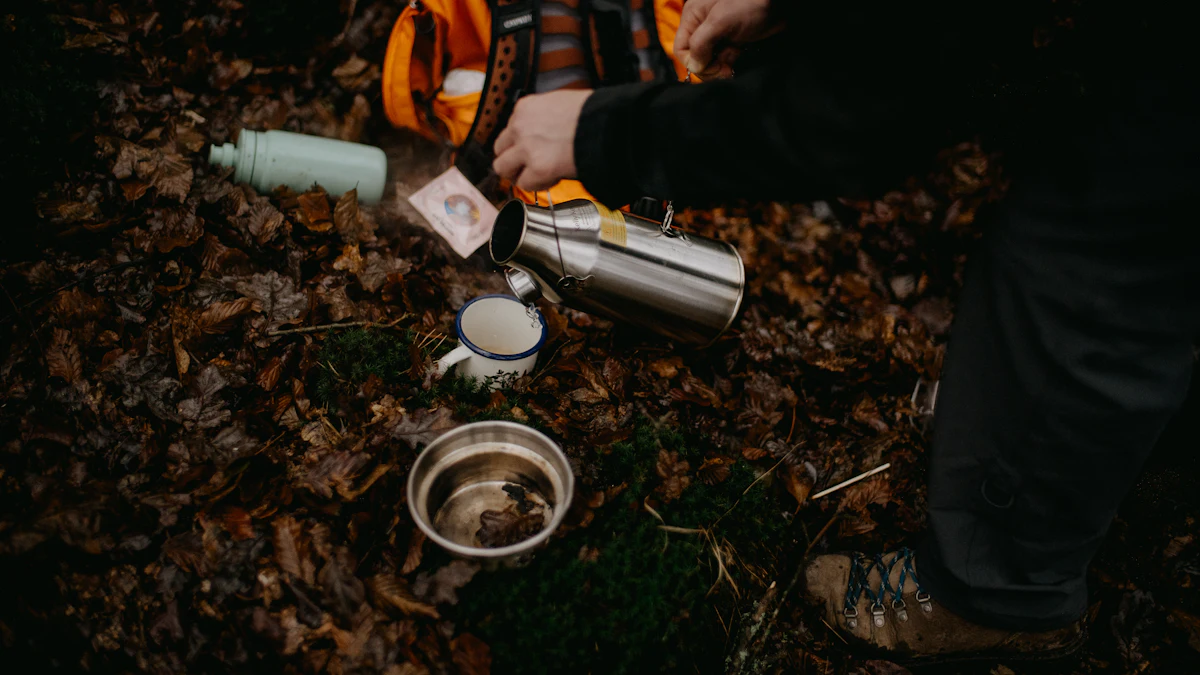
The main overnight facility is Refugio Crestones, or Base Crestones. This rustic hut provides bunk beds (you’ll need your own sleeping bag), basic bathrooms, and a communal dining area. It’s a welcome sight after a long day of hiking. There’s often a small shop selling basic snacks and drinks, but do not rely on it for essential supplies. Remember, these are not luxury accommodations but practical shelters designed to support trekkers.
Best Time for Your Trek
The dry season in Costa Rica, typically from December to April, is generally considered the best time to trek Chirripó. During these months, you’ll experience clearer skies, less rain, and more stable trail conditions, which is ideal for a beginner. However, this is also peak season, meaning permits can be harder to secure. The shoulder months (May, November) can offer a good balance of fewer crowds and still decent weather, though you should be prepared for potential rain.
Planning your first multi-day trek to Chirripó is an exciting endeavor. By focusing on permits, physical readiness, smart packing, and safety, you’ll set yourself up for an incredible adventure that offers stunning views and a profound connection with Costa Rica’s natural beauty. Take your time, enjoy the journey, and embrace the challenge – the summit of Chirripó awaits!
Frequently Asked Questions About Chirripó Treks
What are the essential permits needed for a multi-day trek in Chirripó?
The essential permits for a multi-day trek in Chirripó include a reservation for park entry with the SINAC (National System of Conservation Areas) and a separate reservation for overnight accommodation at Refugio Crestones (Base Crestones). Both are mandatory and must be secured in advance, often several months prior, especially during the dry season. You can find detailed instructions and links on how to obtain these by visiting our guide on Chirripó National Park permits.
How physically demanding is a multi-day trek to Chirripó for a beginner?
A multi-day trek to Chirripó is considered physically demanding, even for experienced hikers, due to its significant elevation gain, long distances, and high altitude. For a beginner, it requires a good level of cardiovascular fitness, leg strength, and mental endurance. It’s crucial to engage in a consistent training program focusing on cardio, strength, and practice hikes with a weighted pack for at least 2-3 months beforehand. While challenging, with proper preparation, it is achievable for beginners.
What should I pack for food and water on a multi-day Chirripó trek?
For food, pack lightweight, high-energy, non-perishable items such as nuts, trail mix, energy bars, dried fruits, instant oatmeal, and dehydrated meals. Aim for foods that provide sustained energy. For water, carry at least 2-3 liters per person daily. While water sources are available, it’s essential to pack a reliable water filter or purification tablets to treat all water to prevent illness. You may also purchase basic meals at Refugio Crestones if pre-arranged, but always have backup food supplies.
