Embarking on a hiking or trekking adventure in Chirripó, Costa Rica, is an experience unlike any other. Home to the country’s highest peak, Mount Chirripó offers breathtaking landscapes, unique ecosystems, and a formidable challenge for even seasoned trekkers. This guide provides an overview of the trails, their difficulty, and crucial tips to help you prepare for an unforgettable journey into the heart of the Talamanca mountain range.
Discovering Chirripó’s Majestic Trails
The Chirripó National Park is a hiker’s paradise, boasting a network of trails that lead through diverse ecosystems, from cloud forests to páramos. The primary objective for most visitors is to reach the summit of Mount Chirripó, but the journey itself, with its stunning vistas and rich biodiversity, is equally rewarding.
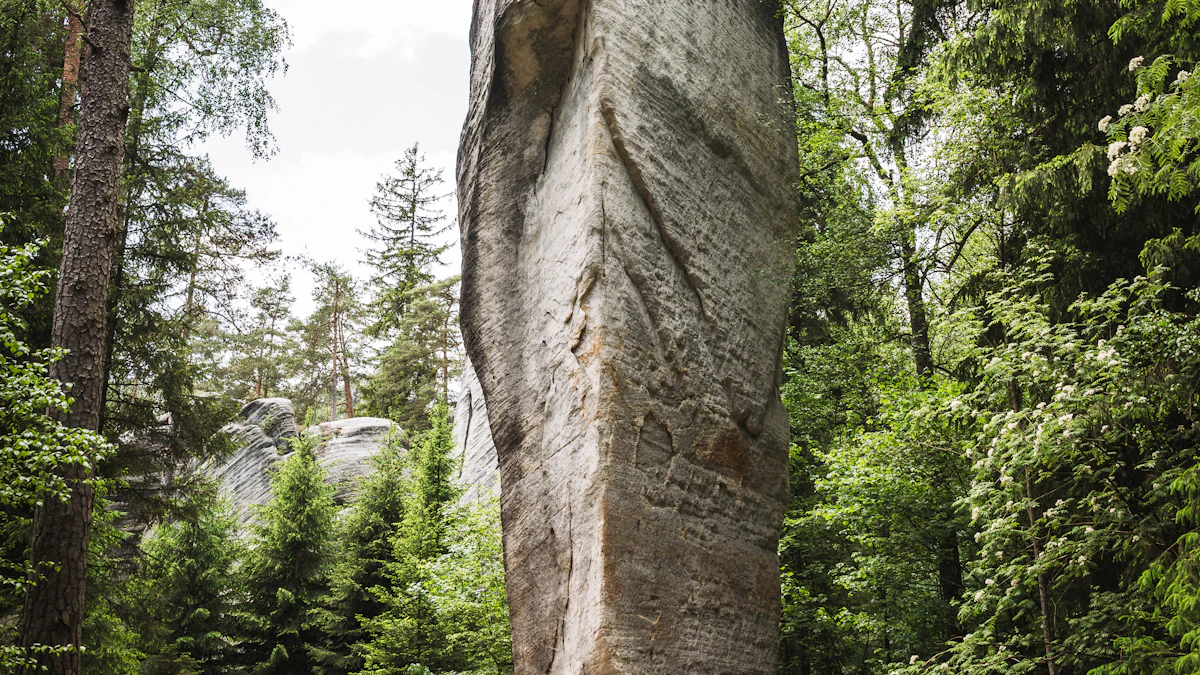
The Main Ascent: San Gerardo de Rivas to Base Crestones
The most common route to Mount Chirripó begins in the charming town of San Gerardo de Rivas. This trail, often referred to as the “main ascent,” is approximately 14.5 kilometers (9 miles) long and leads directly to Base Crestones, the ranger station and refuge where most hikers spend the night before attempting the summit. The trail is well-maintained but relentlessly steep, gaining significant elevation over its course. Hikers should expect a challenging climb through dense cloud forest and into the higher paramo landscape.
Exploring Beyond Base Crestones
From Base Crestones, a network of trails branches out, allowing hikers to explore various points of interest within the park. These trails typically lead to:
- Mount Chirripó Summit: The ultimate goal for many, offering panoramic views stretching across Costa Rica on a clear day. The hike to the summit from Base Crestones is generally a 1-2 hour climb, depending on conditions and hiker pace.
- Cerro Ventisqueros: Another high peak with stunning views, often less crowded than Chirripó’s summit.
- Valle de los Conejos (Rabbit Valley): A beautiful high-altitude valley known for its unique glacial formations and diverse flora.
- Lagunas (Lakes): Several glacial lakes, each with its own serene beauty, dot the landscape.
Understanding Trail Difficulty
Hiking in Chirripó is considered strenuous and requires a good level of physical fitness. The primary challenges include:
- Elevation Gain: The trails involve significant ascents, particularly the main route to Base Crestones. You’ll be climbing from approximately 1,400 meters (4,600 feet) in San Gerardo de Rivas to 3,400 meters (11,150 feet) at Base Crestones.
- Altitude Sickness: At higher elevations, some hikers may experience symptoms of altitude sickness. Acclimatization is key, and it’s advisable to spend a night or two in San Gerardo de Rivas before starting your ascent.
- Variable Weather: The mountain weather can change rapidly. Expect anything from warm sunshine to cold winds, rain, and even hail or frost, often within a single day.
- Trail Conditions: While generally well-marked, trails can be muddy, rocky, and slippery, especially during the rainy season.
Hikers should be prepared for long days on the trail, often involving 8-12 hours of trekking to reach Base Crestones, followed by an early morning summit attempt.
Essential Gear for Your Chirripó Trek
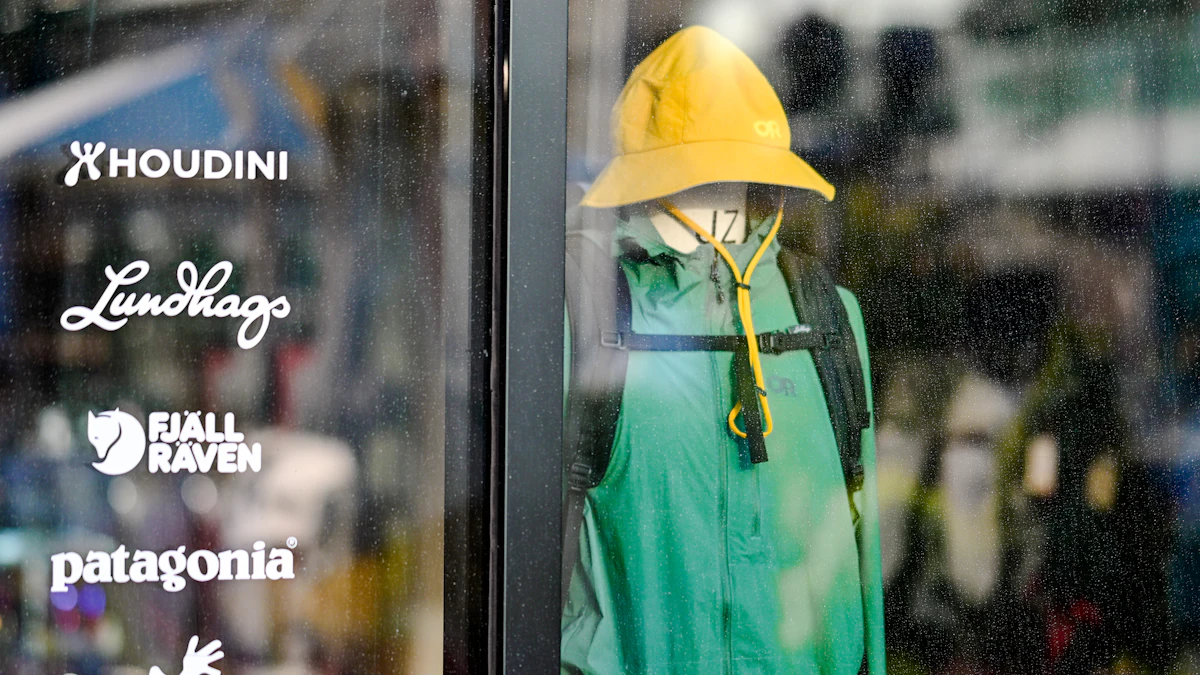
Proper gear is crucial for a safe and comfortable Chirripó hiking adventure. Here’s a checklist of must-have items:
- Layered Clothing: Pack synthetic or wool layers that can be added or removed as temperatures change. Include a waterproof and windproof outer shell.
- Sturdy Hiking Boots: Waterproof, broken-in hiking boots with good ankle support are essential for the uneven terrain.
- Trekking Poles: Highly recommended for stability, reducing strain on your knees during ascents and descents, and navigating slippery sections.
- Hiking Backpack: A comfortable backpack with adequate capacity for your overnight gear, food, water, and extra layers.
- Water Filter/Purifier or Ample Water: Hydration is critical. There are water sources on the trail, but a filter is advisable.
- Headlamp or Flashlight: Essential for early morning starts (especially for summit attempts) or if you end up hiking after dark.
- First-Aid Kit: Include blister treatment, pain relievers, and any personal medications.
- Navigation Tools: A map and compass or a GPS device (and know how to use them).
- Sun Protection: Sunscreen, hat, and sunglasses are vital at high altitudes where UV radiation is intense.
- Snacks and High-Energy Food: Pack enough sustenance for your multi-day trek.
Safety Tips for Hiking in Chirripó
Safety should always be your top priority. Adhere to these tips for a secure and enjoyable trek:
- Book in Advance: Permits and refuge space are limited and must be booked months in advance, especially during peak season.
- Physical Preparation: Train sufficiently with long hikes and elevation gain before your trip.
- Hike with a Buddy: Never hike alone, especially on challenging trails.
- Stay Hydrated and Nourished: Drink water regularly and eat energy-rich foods throughout the day.
- Know Your Limits: Do not push yourself beyond your physical capabilities. Turn back if conditions become too difficult or you experience severe altitude sickness.
- Inform Someone of Your Plans: Share your itinerary with a reliable contact person.
- Respect the Environment: Follow Leave No Trace principles. Pack out everything you pack in.
- Check Weather Forecasts: Be aware of the predicted weather and be prepared for sudden changes.
- Follow Park Regulations: Adhere to all rules set by the Chirripó National Park administration.
Planning Your Chirripó Expedition
Successful trip planning is key to a rewarding Chirripó experience. This includes securing your permits and refuge reservations well in advance, arranging transportation to San Gerardo de Rivas, and packing appropriately. Consider hiring a local guide, especially if you are new to high-altitude trekking or prefer expert navigation and insight into the local flora and fauna.
With careful preparation and a spirit of adventure, hiking and trekking in Chirripó will undoubtedly be a highlight of your Costa Rica travels. The stunning landscapes and the challenge of reaching the top of Costa Rica will leave you with lasting memories.