When to Go: Best Seasons for Chirripó National Park
Planning an adventure to Chirripó National Park, home to Costa Rica’s highest peak, is an unforgettable experience. To make the most of your trek, understanding the regional weather patterns and choosing the best time to visit Chirripó is crucial. The right season can mean the difference between clear, expansive views and challenging, misty trails. You might also want to book local Chirripó guides & tours for an enriched experience. As an Amazon Associate, we earn from qualifying purchases made through links on this page.
Understanding Chirripó’s Climate: Dry vs. Rainy Season
Like much of Costa Rica, Chirripó experiences two primary seasons: the dry season and the rainy season. However, due to its high altitude, Chirripó’s weather can be more unpredictable and varies significantly from the coastal regions.
The Dry Season: December to April
The dry season is generally considered the peak season for Chirripó and the ideal time for most hikers.
During these months, you can expect:
- Less Rainfall: Significantly reduced precipitation means fewer muddy trails and river crossings.
- Clearer Skies: This translates to breathtaking, unobstructed views from the summit and along the trails. Imagine seeing both the Pacific Ocean and the Caribbean Sea from the peak!
- Stable Temperatures: While nights are still cold at higher elevations, daytime temperatures are generally pleasant for hiking.
- Crowds: As the most popular time, you might encounter more hikers, especially around holidays. Securing your Chirripó National Park permits well in advance is essential.
If you’re looking for the best chance of clear weather and panoramic vistas, aiming for the dry season, particularly from January to March, is highly recommended.
The Rainy Season: May to November
The rainy season, often referred to as the “green season,” brings a different kind of beauty and challenge to Chirripó.
Typically, you can expect:
- Afternoon Rains: Mornings often start clear, but clouds build up, leading to daily showers, especially in the afternoons. These can range from light drizzles to heavy downpours.
- Misty Trails: The cloud forest sections become truly enchanting with mist and lush, vibrant greenery.
- Slippery Conditions: Trails can become muddy and slick, requiring sturdy hiking boots and extra caution.
- Fewer Crowds: For those who prefer solitude and don’t mind the rain, this can be a more peaceful time to visit.
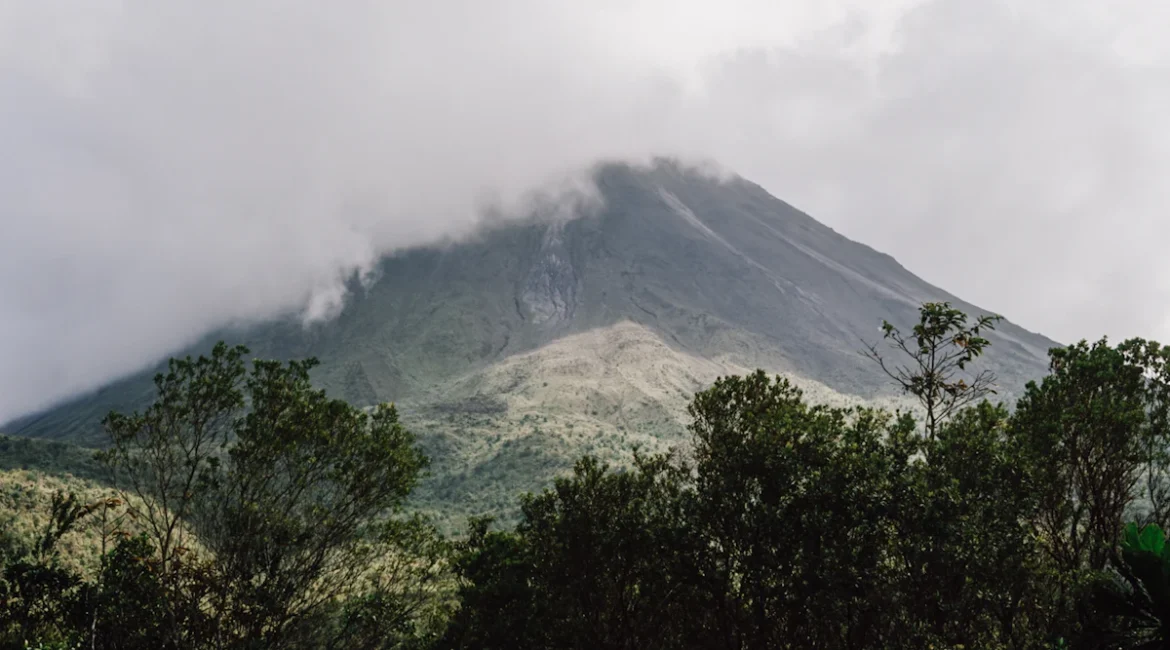
- Reduced Visibility: Summit views can often be obscured by clouds and fog.
While the rainy season offers a unique experience, it demands more preparation in terms of gear (like a good rain jacket) and a higher tolerance for challenging conditions. If you choose this season, starting your hike early in the morning is wise to make the most of drier periods.
Weather Considerations Year-Round in Chirripó
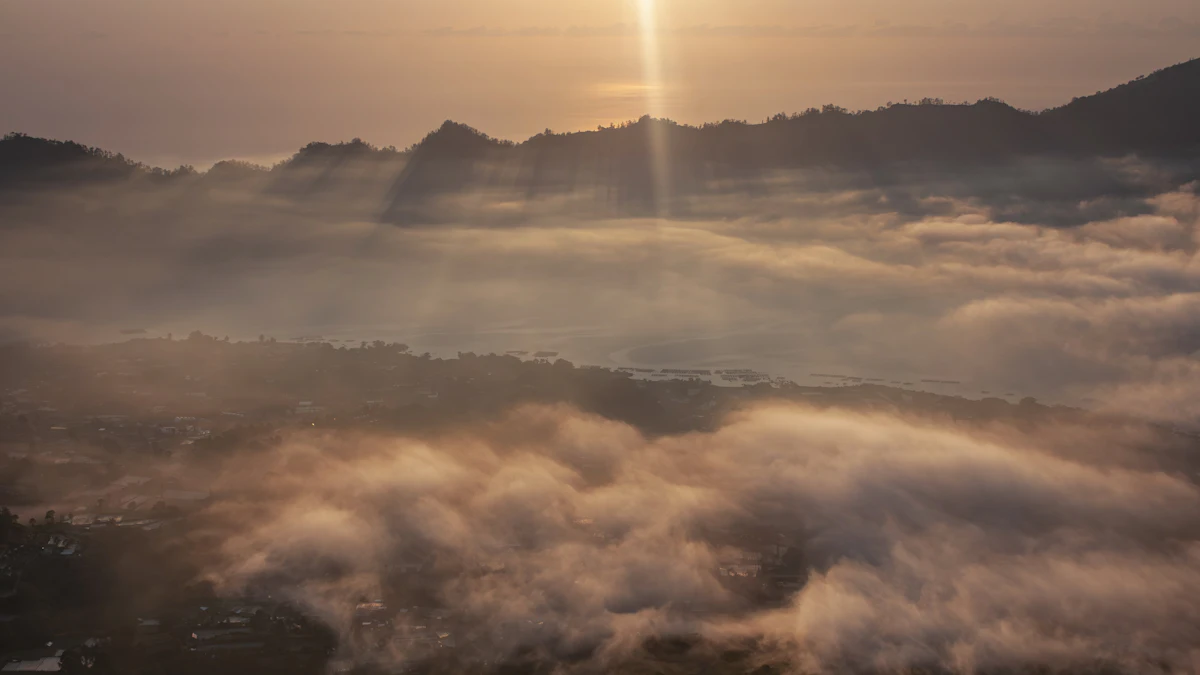
Regardless of the season, the high-altitude environment of Chirripó means you should always be prepared for fluctuating weather.
- Temperature Swings: Even in the dry season, temperatures can drop significantly at night, especially at higher elevations. Freezing temperatures are not uncommon at the summit.
- Wind: Strong winds can be a factor, particularly on exposed ridges and near the peak.
- Sun Exposure: The equatorial sun at high altitudes is intense. A sun hat, sunglasses, and high-SPF sunscreen are vital, even on cloudy days.
Always check the local forecast before your trip, but remember that mountain weather can change rapidly. Being prepared for all conditions is part of the Chirripó experience, and for your safety and peace of mind, it’s wise to get a Costa Rica travel insurance quote. Refer to our essential packing list for Chirripó to ensure you have everything you need.
Making Your Decision
The best time to visit Chirripó largely depends on your priorities. For maximum comfort, clear views, and easier hiking, the dry season (December to April) is your best bet. If you seek solitude, appreciate lush landscapes, and are prepared for more challenging conditions, the rainy season can offer a uniquely rewarding adventure. No matter when you choose to go, proper preparation and respect for the mountain’s changing weather are key to a successful journey. Consider also to offset your travel carbon footprint to support conservation efforts.
