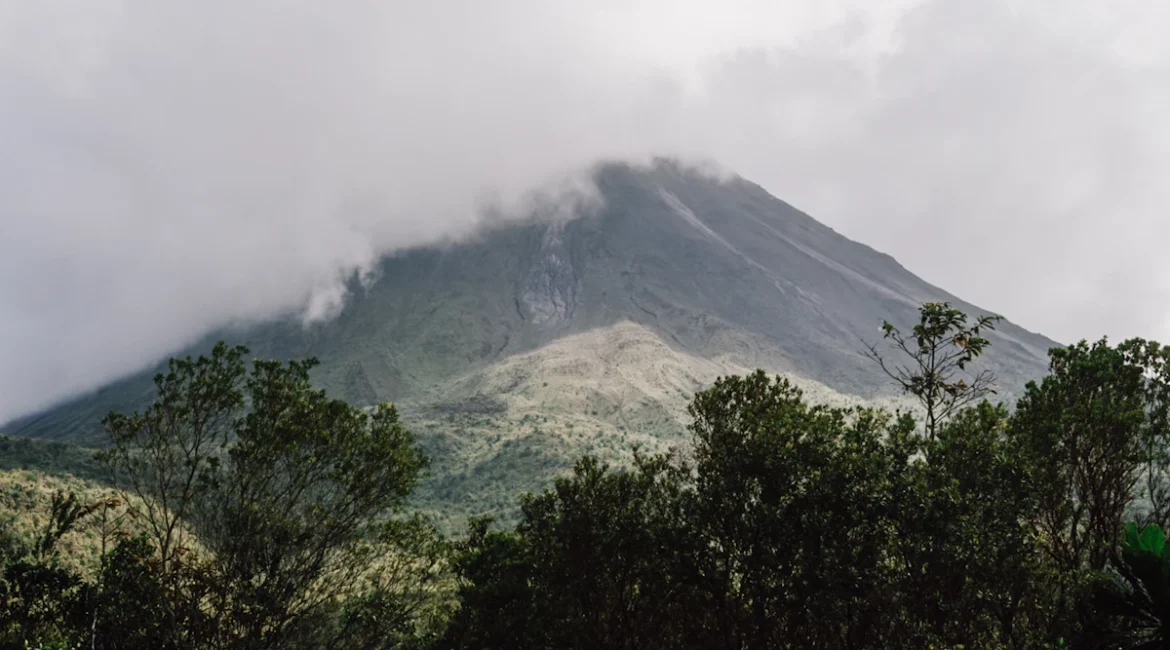
The Best Time of Year to Hike Chirripó National Park
Reaching the summit of Mount Chirripó, Costa Rica’s highest peak, is an unforgettable achievement. But to truly maximize your experience, understanding the best time of year to undertake this challenging trek is crucial. Weather conditions, trail accessibility, and crowd levels can significantly impact your adventure. This guide will help you plan your Chirripó journey, ensuring you choose the ideal season for your preferences and fitness level. For a deeper understanding of the trails and local insights, consider to book local Chirripó guides & tours.
As an Amazon Associate, we earn from qualifying purchases made through links on this page.
Chirripó’s Distinct Seasons: Dry vs. Rainy
Like much of Costa Rica, Chirripó National Park experiences two primary seasons: the dry season and the rainy season. Each offers a unique perspective of the cloud forest and alpine paramo ecosystems, along with distinct challenges and rewards for hikers.
The Dry Season: Ideal Conditions for Summiting (December to April)
Generally considered the best time to hike Chirripó, the dry season, running roughly from December to April, offers the most favorable conditions. During these months, you can expect:
- Clearer Skies: The chances of experiencing breathtaking panoramic views from the summit are highest, especially in the early mornings.
- Drier Trails: While some sections will always be muddy regardless of the season, trails are generally less slippery and easier to navigate. This can make the challenging ascent and descent more manageable.
- Consistent Weather: While afternoon showers are always possible in a tropical mountain environment, extended periods of heavy rain are less common.
However, the dry season is also the peak hiking season. This means permits can be harder to secure, and the trails and refuges will be more crowded. Planning well in advance is essential. For more detailed information on monthly weather patterns, consider checking our guide on Chirripó weather by month.
The Rainy Season: A Unique, Lush Experience (May to November)
Don’t dismiss the rainy season entirely! While it presents additional challenges, hiking Chirripó between May and November offers a different, often more profound, experience:
- Lush Landscapes: The park’s vegetation is incredibly vibrant and green, with abundant wildflowers. The cloud forest truly comes alive.
- Fewer Crowds: With fewer hikers, you’ll often have sections of the trail and even the refuges more to yourself, offering a more tranquil experience.
- Water Abundance: Streams and waterfalls are fuller, adding to the natural beauty.
The downsides include daily rainfall, which can range from light drizzles to heavy downpours, making trails significantly muddier and slipperier. Views from the summit are often obscured by clouds or fog. Proper rain gear and a waterproof backpack are absolute necessities. If you’re considering a rainy season trek, read our specific guide on rainy season hiking Chirripó for essential tips.
Navigating Crowds and Permit Availability
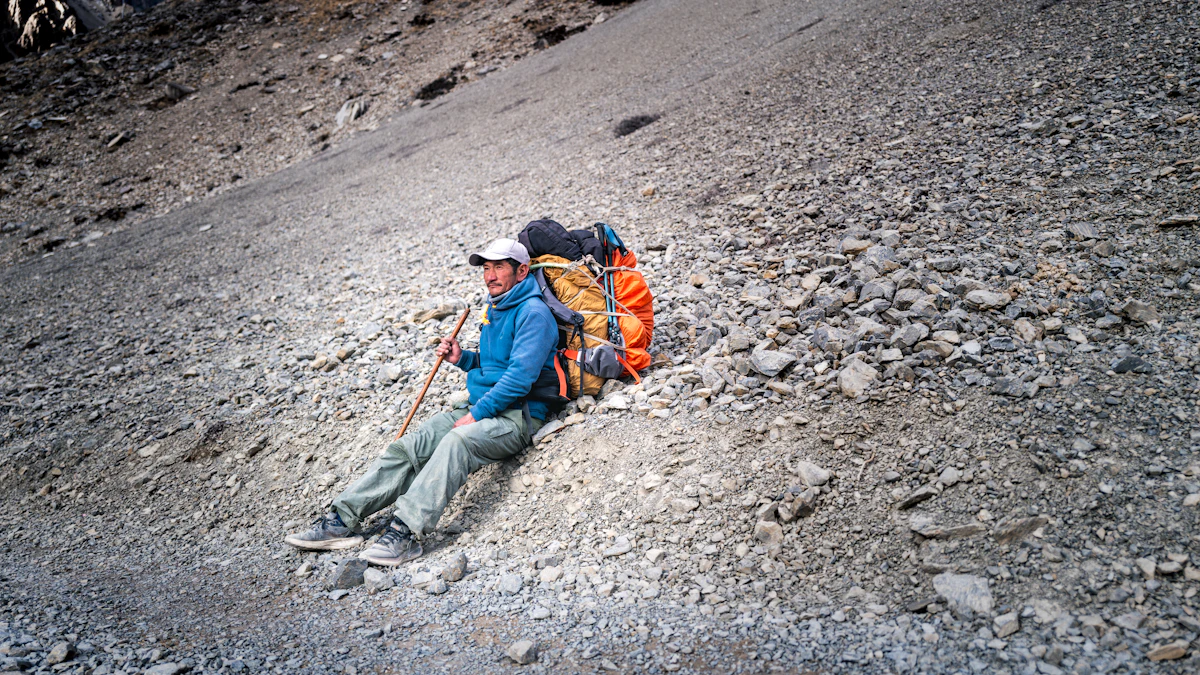
Permits for Chirripó National Park are limited and highly sought after, especially during the dry season. Bookings often open several months in advance and can sell out quickly. If your schedule allows, consider aiming for the shoulder months (e.g., late November, early December, or late April, early May) when the weather transitions and crowds might be slightly thinner, but conditions can still be favorable.
Essential Gear for Your Chirripó Adventure
Regardless of the season, proper gear is paramount for a safe and enjoyable hike. This includes sturdy hiking boots, layers of clothing, a first-aid kit, and plenty of water. It’s also wise to get Costa Rica travel insurance for unforeseen circumstances. Many hikers find hiking poles invaluable for navigating the steep and varied terrain, offering stability and reducing strain on knees. During the rainy season, waterproof outer layers and backpack covers are non-negotiable.
Conclusion: Choosing Your Ideal Chirripó Experience
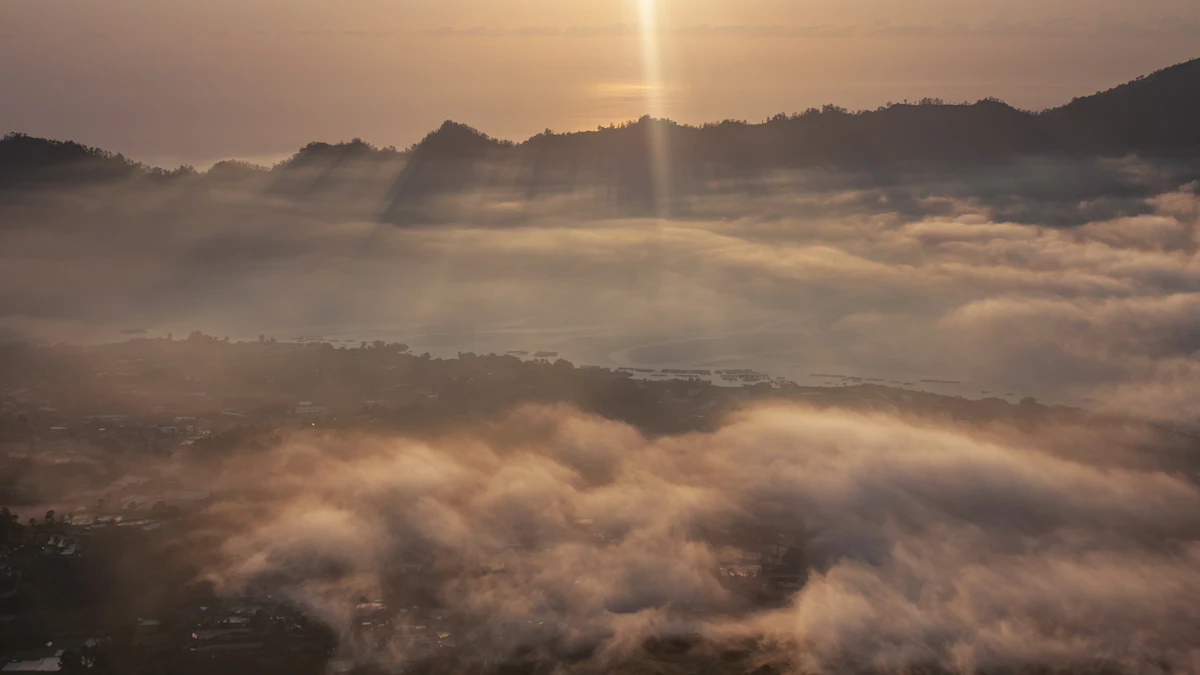
The “best” time to hike Chirripó ultimately depends on your priorities. If clear skies, drier trails, and the highest chance of summit views are your goal, aim for the dry season (December-April), but be prepared to book permits far in advance and share the trails. If you value lush landscapes, solitude, and don’t mind embracing the rain, the rainy season (May-November) offers a wilder, equally rewarding adventure. Whichever season you choose, meticulous planning and preparation are key to a successful journey to Costa Rica’s highest point.
Frequently Asked Questions About Hiking Chirripó
What are the advantages of hiking Chirripó during the dry season?
The dry season, from December to April, offers clearer skies, providing better chances for panoramic views from the summit. Trails are generally drier and less slippery, making the ascent and descent more manageable. While still challenging, the more stable weather conditions are often preferred by many hikers for an optimal experience.
Is it possible to hike Chirripó during the rainy season, and what should I expect?
Yes, it is entirely possible to hike Chirripó during the rainy season (May to November), but you should expect daily rain, often in the afternoons. Trails will be significantly muddier and potentially more slippery. However, the park’s vegetation will be incredibly lush and vibrant, and you’ll encounter fewer crowds. Proper waterproof gear, including a rain jacket, waterproof pants, and a backpack cover, is essential.
How do the crowds differ between peak and off-peak hiking seasons in Chirripó?
During the peak dry season (typically January to April), Chirripó National Park experiences significantly higher crowd levels, and permits sell out very quickly. The refuges and trails will be bustling with fellow hikers. In contrast, the rainy season (off-peak) sees far fewer visitors, offering a more solitary and tranquil experience. If you prefer quiet trails and easier permit acquisition, the rainy season might be more appealing, provided you’re prepared for the weather.
