Tackling Costa Rica’s highest peak, Mount Chirripó, is an unforgettable adventure that demands respect for its unique and challenging environment. From humid cloud forests to exposed high-altitude páramo, the weather can change dramatically in a single day, or even an hour. Having the best hiking gear for Chirripó isn’t just about comfort; it’s crucial for your safety and enjoyment. It’s also highly recommended to secure comprehensive Costa Rica travel insurance for peace of mind during your expedition.
As an Amazon Associate and affiliate partner, we may earn commissions from qualifying purchases made through links on this page.
This comprehensive guide will help you prepare your ultimate Chirripó packing list, ensuring you have the right hiking equipment for Costa Rica’s most formidable trek. We’ll cover everything from the essentials to specialized items, focusing on gear that performs well in the variable conditions of Chirripó National Park, including sudden rain, strong winds, and freezing night temperatures.
Understanding Chirripó’s Dynamic Environment
Before diving into specific gear recommendations, it’s vital to understand what you’ll encounter on the trail:
- Altitude: The summit of Cerro Chirripó reaches 3,820 meters (12,533 feet). This high altitude means thinner air, cooler temperatures, and increased sun exposure.
- Temperature Swings: Daytime temperatures can be pleasant, but nights, especially at Crestones Base Camp, can drop below freezing. You’ll need cold weather hiking gear.
- Rain and Humidity: Even in the dry season, rain is possible, and the lower sections of the trail are often humid. Waterproof gear for Chirripó is non-negotiable.
- Terrain: The trail is steep, rocky, and can be muddy. Proper footwear and support are key.
Your Essential Chirripó Packing List
Here’s a breakdown of the critical categories and specific items you’ll need. Focus on lightweight hiking gear to minimize the burden on this challenging ascent.
1. Backpacks and Storage
Choosing the right backpack is fundamental for a multi-day trek like Chirripó.
- Main Backpack: A 40-60 liter internal frame pack is typically ideal for 2-3 day treks, providing enough space for your layers, sleeping gear, food, and personal items. Look for good weight distribution and comfort. Consider options from our guide on the best hiking backpacks.
- Daypack (Optional): If you plan to leave your main pack at Crestones Base Camp and summit with lighter gear, a small collapsible daypack (10-20 liters) can be very useful.
- Waterproof Pack Cover: Essential for protecting your gear from rain. Many backpacks come with one, but if not, purchase one separately.
- Dry Bags/Liners: To further protect sensitive items like electronics, clothing, and your sleeping bag, use multiple small dry bags or a large pack liner inside your main backpack. This is key for waterproof gear for Chirripó.
2. Footwear
Your feet are your most important asset on Chirripó.
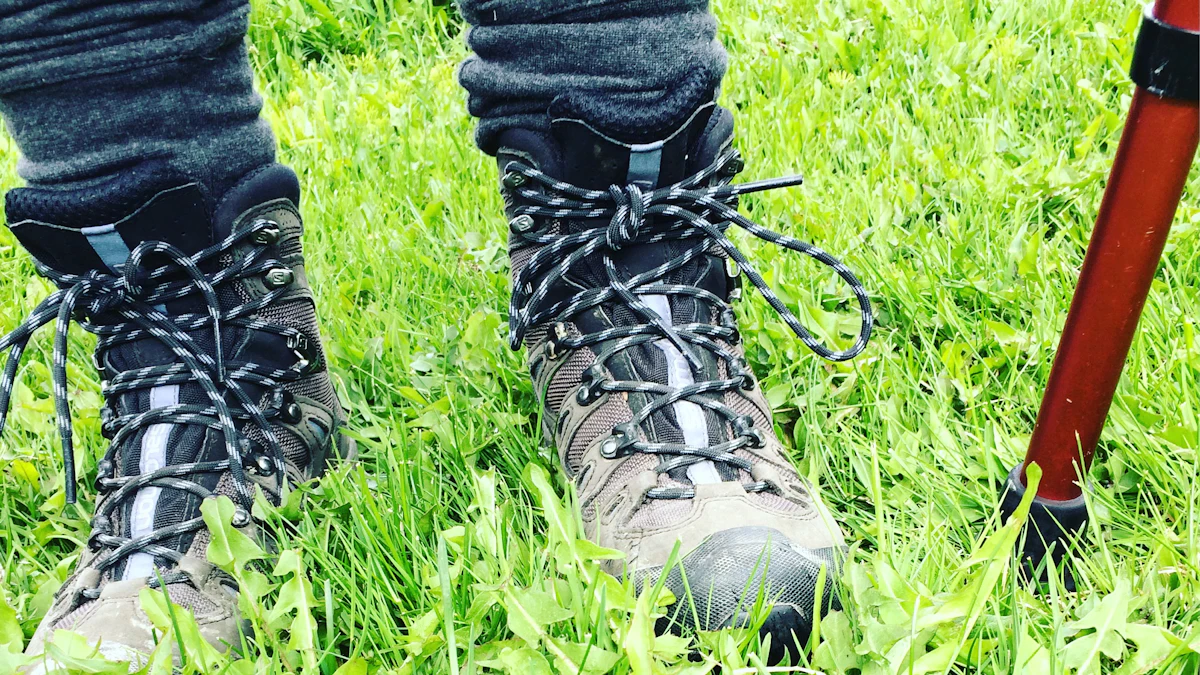
- Hiking Boots: Sturdy, waterproof, and well broken-in hiking boots with good ankle support are crucial for navigating the rocky and potentially muddy trails.
- Hiking Socks: Bring 2-3 pairs of moisture-wicking wool or synthetic socks. Avoid cotton, which retains moisture and can lead to blisters. A thin liner sock can also help prevent blisters.
- Camp Shoes/Sandals: A lightweight pair of sandals or Crocs for changing into at Crestones Base Camp gives your feet a much-needed break.
3. Layering System (Clothing)
The key to managing Chirripó’s variable temperatures is layering. Think technical fabrics that wick moisture and dry quickly.
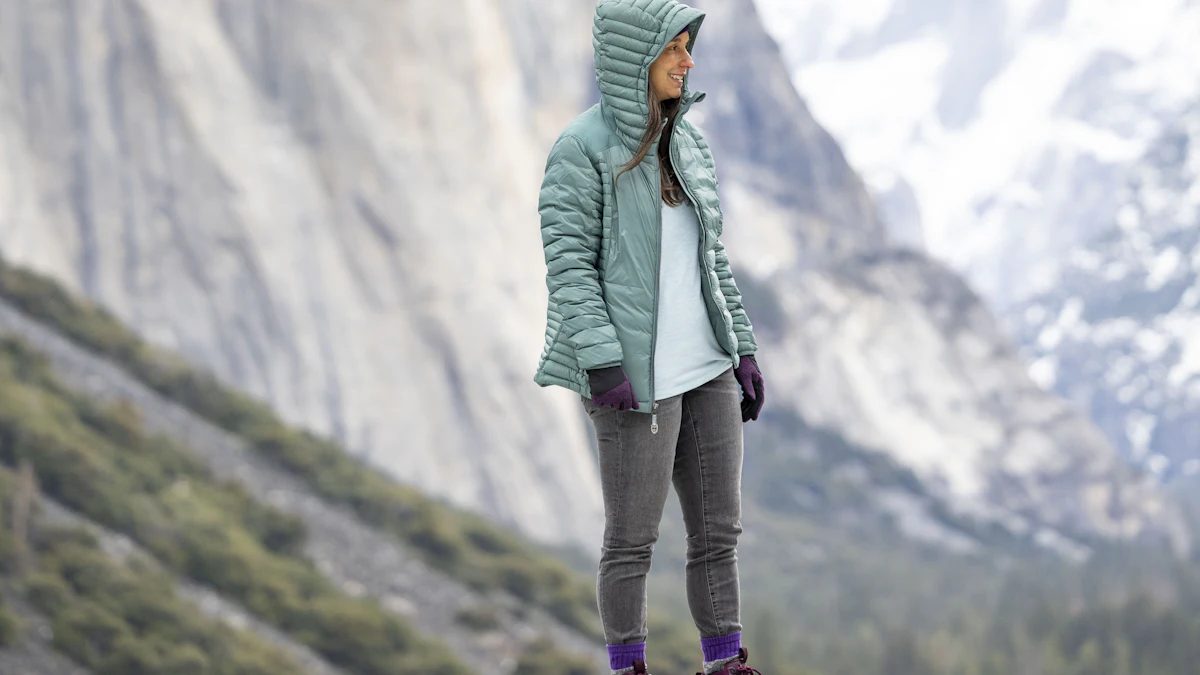
- Base Layers: 1-2 long-sleeve moisture-wicking shirts (merino wool or synthetic) and 1 pair of long underwear bottoms for cold nights. These are part of your cold weather hiking gear.
- Mid-Layers: A fleece jacket or synthetic puffy jacket for warmth. A light long-sleeve hiking shirt (quick-dry material) is also good for warmer sections.
- Outer Shell: A high-quality, waterproof and windproof hiking jacket is absolutely essential. Rain pants are also highly recommended to protect against rain and cold winds.
- Hiking Pants: 1-2 pairs of quick-drying hiking pants. Zip-off convertible pants can offer versatility. Avoid jeans.
- Hat: A warm beanie or wool hat for cold evenings and the summit push, plus a wide-brimmed hat or cap for sun protection during the day.
- Gloves: Lightweight, insulated, and ideally waterproof gloves are important for chilly mornings and the summit.
4. Sleeping System
You’ll spend at least one night at Crestones Base Camp.
- Sleeping Bag: A compact sleeping bag rated for 0°C (30°F) or lower is recommended, as temperatures can drop significantly.
- Sleeping Pad (Optional): The bunk beds at Crestones have mattresses, but a lightweight inflatable or foam pad can add comfort and insulation if you prefer.
5. Navigation and Safety
- Headlamp or Flashlight: Essential for hiking in the dark (e.g., pre-dawn summit attempt) and around camp. Bring extra batteries.
- First-Aid Kit: A comprehensive personal kit with blister treatment, pain relievers, antiseptic wipes, any personal medications, etc.
- Whistle: For emergencies.
- Map and Compass/GPS: While the trail is well-marked to Crestones, a map and compass (and knowing how to use them) or a GPS device/app can be helpful, especially for exploring beyond base camp.
- Sunscreen and Lip Balm: High altitude means intense sun.
- Insect Repellent: Especially for the lower elevations.
6. Hydration and Nutrition
- Water Bottles or Hydration Reservoir: Carry at least 2-3 liters of water capacity. Water is available at Crestones but must be treated.
- Water Filter/Purifier: Crucial for treating water sourced from the streams or taps at Crestones Base Camp.
- Snacks: Energy bars, nuts, dried fruit, chocolate – high-energy, non-perishable options for the trail.
- Food for Crestones: You’ll need to bring your own food for meals at Crestones Base Camp (unless you pre-arranged with a local Chirripó guide service). Consider dehydrated meals or lightweight, calorie-dense options. Cooking facilities are available.
7. Trekking Poles
Often overlooked, trekking poles are invaluable for Chirripó.
- Benefits: They reduce strain on your knees, provide stability on uneven terrain, aid balance during river crossings (if applicable), and help with steep ascents and descents. Look for lightweight, adjustable poles.
8. Miscellaneous Essentials
- Toiletries: Toothbrush, small toothpaste, biodegradable soap, hand sanitizer. Remember, facilities at Crestones are basic.
- Small Towel: Quick-drying microfiber towel.
- Camera/Phone: With protective casing and power bank. Consider getting a Costa Rica eSIM for data to ensure connectivity on your trip.
- Plastic Bags: For trash (pack it in, pack it out!), wet clothes, or anything you want to keep separate.
- Cash: Small bills for snacks or emergencies.
- Permit and ID: Don’t forget your park permit and identification!
Key Considerations for Your Gear Choices
- Weight: Every ounce counts on Chirripó. Prioritize lightweight hiking gear without compromising safety or functionality.
- Waterproof vs. Water-Resistant: For Chirripó, aim for truly waterproof gear for Chirripó, especially for your outer layers and pack protection. Water-resistant items may not hold up to persistent rain or heavy condensation.
- Durability: Your gear will take a beating on the rocky, rugged trails. Invest in durable items that can withstand the conditions.
- Comfort: Ensure your boots are broken in and your backpack is properly fitted. Discomfort on a multi-day trek can quickly turn into misery.
Where to Find Your Chirripó Hiking Gear
Outfitting yourself with the right hiking equipment for Costa Rica and the unique challenges of Chirripó National Park requires careful selection. Whether you’re a seasoned trekker or preparing for your first high-altitude adventure, having reliable gear is paramount for safety and enjoyment.
Below, you’ll find a selection of high-quality hiking and outdoor gear to help you prepare for your Chirripó expedition. We’ve focused on items that meet the demands of this challenging environment, including durable backpacks, supportive trekking poles, and essential cold weather and waterproof hiking gear. Consider the specific requirements for your trip, focusing on lightweight and performance-oriented solutions.
You can also explore a wide range of options suitable for high-altitude trekking and varied weather conditions on Amazon:
Shop for Chirripó Hiking Gear on Amazon
Final Tips for Your Trek
- Test Your Gear: Don’t try new boots or a new pack for the first time on Chirripó. Wear and use everything beforehand to ensure comfort and functionality.
- Pack Light, But Smart: While it’s tempting to bring everything, carefully consider each item’s necessity. The less weight you carry, the more enjoyable the trek will be.
- Physical Preparation: Gear alone won’t get you to the summit. Ensure you’re physically prepared for the strenuous climb.
- Environmental Responsibility: Always follow Leave No Trace principles. Pack out everything you pack in, and respect the fragile ecosystem of Chirripó National Park.
By investing in the best hiking gear for Chirripó, you’re not just buying equipment; you’re investing in a safer, more comfortable, and ultimately more rewarding adventure to Costa Rica’s rooftop. For more details on planning your visit, check out our guide to trip planning for Chirripó.