The Diverse Climate & Microclimates of Chirripó National Park
Chirripó National Park, home to Costa Rica’s highest peak, Mount Chirripó, offers an unparalleled trekking experience. However, the success and enjoyment of your journey heavily depend on understanding its complex and rapidly changing weather patterns. Unlike many tropical destinations with a single “climate,” Chirripó boasts a remarkable range of climate zones and distinct microclimates, making preparation key to a safe and comfortable adventure.
From humid cloud forests to windswept páramo and alpine tundra-like conditions near the summit, the park presents a unique climatic challenge. Knowing what to expect, and how conditions can shift dramatically within a short distance or time, will significantly influence your packing list and overall strategy.
Chirripó’s Overall Climate Profile
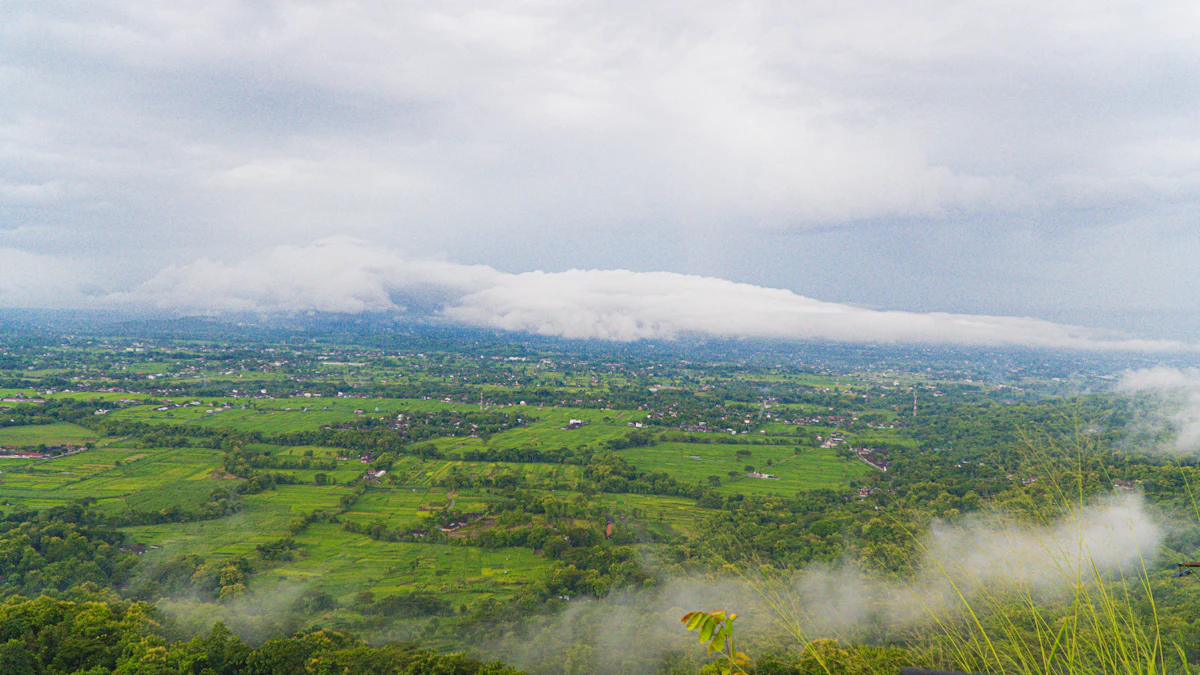
Chirripó National Park is situated within a tropical highland environment, meaning it experiences distinct wet and dry seasons but with temperatures that are moderated by altitude rather than latitude. Despite its proximity to the equator, the high elevation ensures much cooler temperatures than Costa Rica’s coastal lowlands. The region is often influenced by both Atlantic and Pacific weather systems, leading to a dynamic and sometimes unpredictable climate.
Understanding Chirripó’s Climate Zones by Elevation
The dramatic elevation gain from the park’s entrance to the summit of Mount Chirripó creates several distinct climate zones:
- Lower Elevations (approx. 1,400m – 2,500m): This zone, including areas like San Gerardo de Rivas, where you can compare places to stay near Chirripó, and the initial climb through the cloud forest, is characterized by higher humidity and frequent rainfall, especially during the wet season. Temperatures are mild during the day but can cool considerably at night. Lush vegetation thrives here, indicative of consistent moisture.
- Mid-Elevations (approx. 2,500m – 3,400m): As you ascend into the sub-páramo and páramo transition zones, the air becomes cooler and drier. Cloud cover can still be frequent, but open spaces become more common. This area can experience strong winds and significant temperature drops, particularly after sunset.
- High Elevations (approx. 3,400m – 3,820m): The upper páramo and summit regions are characterized by alpine-like conditions. Temperatures often dip below freezing at night, and frost is common. Daytime temperatures can be pleasant and sunny, but sudden cold fronts, fog, and strong winds are possible at any time. The vegetation is stunted and hardy, adapted to harsh conditions.
The Phenomenon of Microclimates
One of the most fascinating aspects of Chirripó’s weather is its microclimates. These are localized atmospheric conditions that differ from those of the surrounding area, often on a small scale. In Chirripó, microclimates are created by:
- Topography: Valleys, ridges, slopes facing different directions, and peaks create varied exposure to sun, wind, and rain. A sheltered valley might be warm and still, while an exposed ridge just a few hundred meters away could be cold and windy.
- Vegetation: Dense cloud forests trap humidity and reduce wind, creating a cooler, moister environment compared to nearby open páramo.
- Water Bodies: While not extensive, small streams and marshy areas can influence local humidity levels.
For hikers, this means you might experience bright sunshine in one moment, only to round a bend into a thick fog bank or a sudden downpour just minutes later. Understanding and preparing for these rapid shifts is crucial.
Dry Season vs. Rainy Season Climates
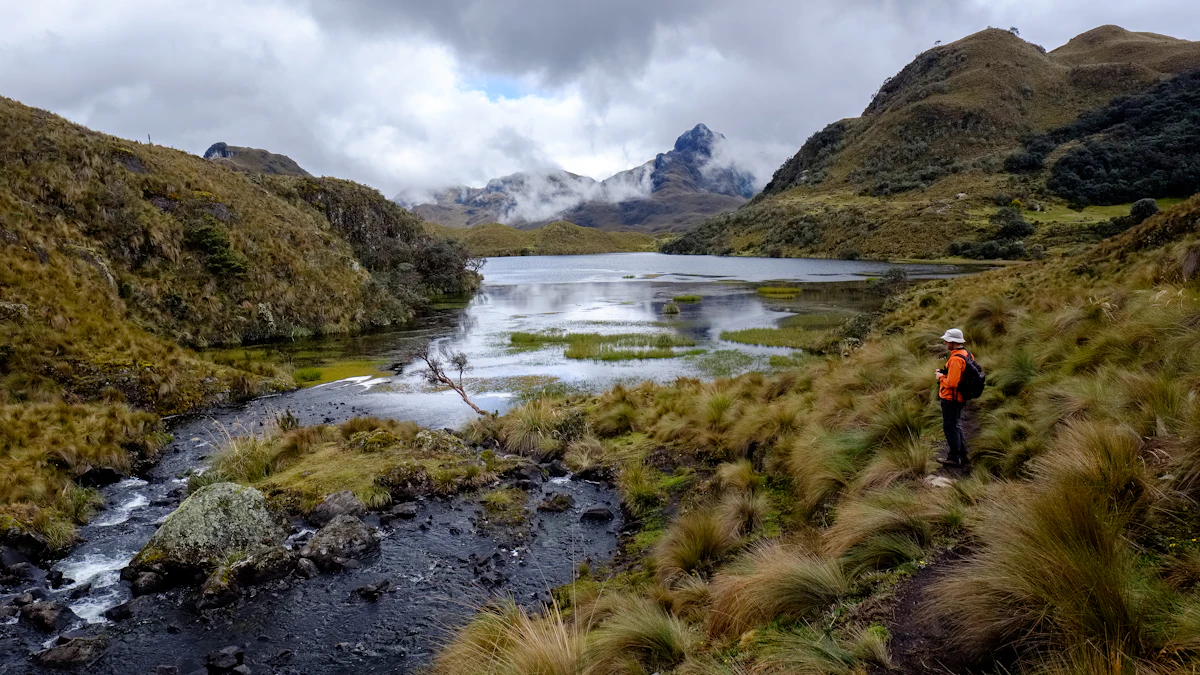
Chirripó, like much of Costa Rica, experiences two main seasons, each with distinct climatic characteristics. Choosing the best time to visit Chirripó National Park is often dictated by these seasonal patterns.
- Dry Season (roughly December to April): This is generally considered the best time to hike Chirripó. Days are typically sunny and clear, especially in the mornings, offering spectacular views. While rainfall is minimal, temperatures still drop significantly at night, and frost is common at higher elevations. Winds can also be strong.
- Rainy Season (roughly May to November): During this season, expect daily afternoon showers, which can range from light drizzles to heavy downpours. Mornings often start clear, providing a window for hiking, but clouds usually build up by midday. The trails can be muddy and slippery, and visibility may be reduced due to fog. Despite the rain, the landscape is incredibly lush and green.
Regardless of the season, checking the Chirripó National Park weather forecast just before your trip is highly recommended, though remember that conditions can change rapidly.
Preparing for Chirripó’s Varied Conditions
We may earn a commission from purchases made through the Amazon links in this article.
Given the dramatic shifts in climate and the prevalence of microclimates, layered clothing is your most important tool. Start with a moisture-wicking base layer, add insulating layers like fleece, and top it with a waterproof and windproof outer shell.
Always pack for cold and wet weather, even if the forecast looks promising. A combination of weather-resistant clothing and layered hiking attire is essential. A waterproof map case for your trail maps or phone is also a smart idea.
FAQ: Chirripó National Park Climate
How do microclimates affect hiking conditions on Chirripó?
Microclimates lead to rapid and localized changes in weather. You might experience sunshine on one ridge and then suddenly enter a cold, foggy, or rainy patch in a sheltered valley or on a different slope. This means hikers must be prepared for multiple weather conditions on any given day, requiring versatile clothing layers and constant vigilance.
What are the typical temperature ranges at different elevations?
- Lower Elevations (1,400m – 2,500m): Daytime 15-25°C (59-77°F), Nighttime 10-18°C (50-64°F).
- Mid-Elevations (2,500m – 3,400m): Daytime 10-20°C (50-68°F), Nighttime 5-12°C (41-54°F).
- High Elevations (3,400m – 3,820m): Daytime 5-15°C (41-59°F), Nighttime -5-5°C (23-41°F). Temperatures can drop below freezing, especially at night and during the dry season. Wind chill can make it feel much colder.
How does the dry season climate differ from the rainy season?
The dry season (December-April) typically offers sunny, clear mornings and afternoons, with minimal rainfall. Nights are cold, and frost is common at higher elevations. The rainy season (May-November) features daily afternoon rains, often preceded by clear mornings. Trails become muddy, and fog can reduce visibility, but the landscape is very green. Both seasons can experience strong winds and rapid temperature drops at high altitudes.
Conclusion
The climate and microclimates of Chirripó National Park are as breathtakingly diverse as its landscapes. While challenging, understanding these conditions empowers you to plan effectively, pack wisely, and fully appreciate the raw beauty of this incredible natural wonder. You can also offset your travel carbon footprint to support conservation. With proper preparation, you’ll be ready for whatever the mountain brings, from crisp, clear summit sunrises to misty cloud forest treks.
