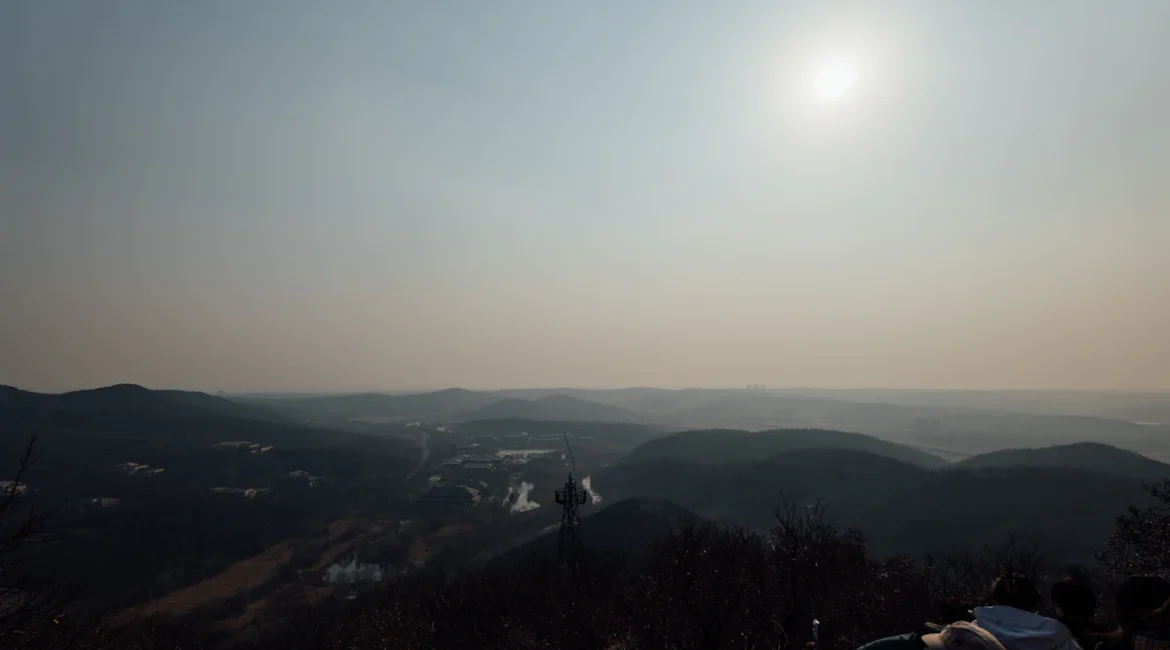
Understanding Chirripó’s Unique Climate
As an Amazon Associate, we earn from qualifying purchases made through our carefully chosen links.
Cerro Chirripó, Costa Rica’s highest peak, presents a formidable yet rewarding hiking experience. Its unique microclimates mean you can encounter diverse weather conditions in a single day, from hot, humid jungle trails to freezing, wind-swept alpine zones. Proper preparation and a comprehensive packing list are absolutely critical for a safe and enjoyable journey. This guide will cover exactly what to pack for Chirripó, ensuring you’re ready for everything.
The Ultimate Chirripó Packing List
Your Chirripó packing list needs to be resilient, versatile, and well-considered. We’ll break down the essential gear, clothing, and supplies needed for this challenging high-altitude trek.
The Right Backpack
A comfortable and appropriately sized backpack is fundamental. For a multi-day hike like Chirripó, a pack in the 40-60 liter range is usually ideal, depending on how much gear you’re carrying and whether you plan to cook your own food. Look for features like good lumbar support, adjustable straps, and a rain cover. Finding the right fit is crucial for comfort over long distances. For more detailed advice, explore our guide to best hiking backpacks.
Footwear
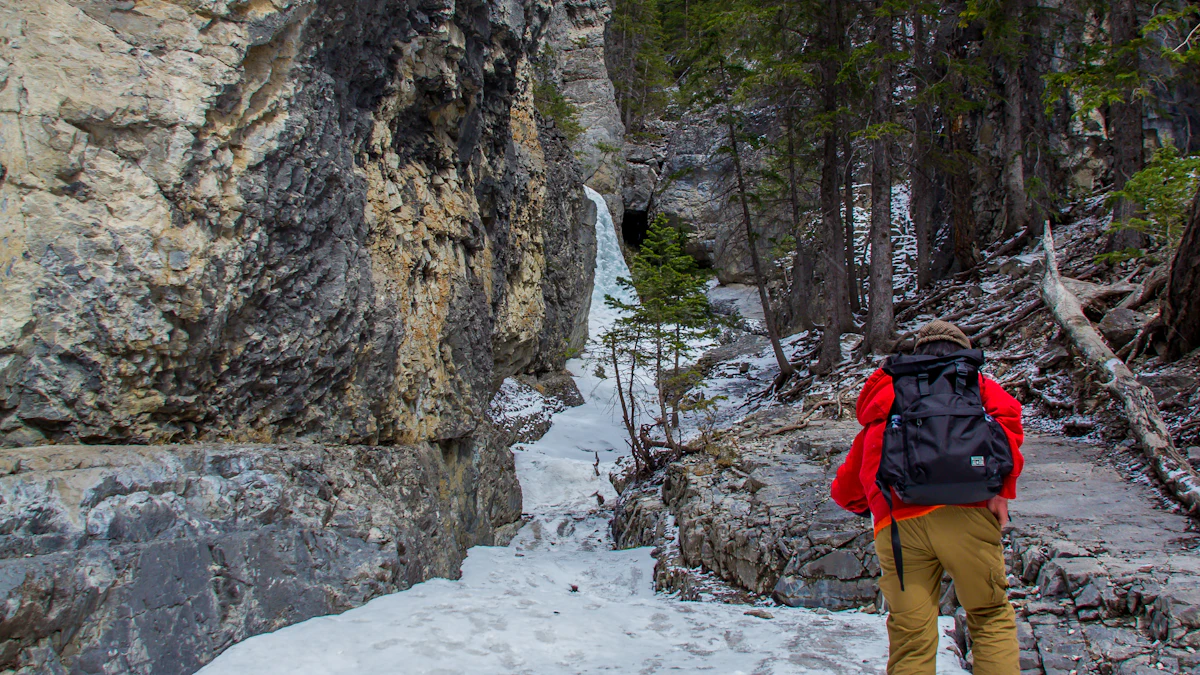
Your feet are your most important asset on the trail. Sturdy, waterproof hiking boots with good ankle support are non-negotiable. Break them in well before your trip to avoid blisters. Bring a couple of pairs of moisture-wicking hiking socks, too. Keep an eye out for a reliable pair of hiking boots that suit varied terrain.
Layered Clothing System
The key to managing Chirripó’s unpredictable weather is a layered clothing system. This allows you to add or remove items as temperatures and conditions change, essential for coping with cold weather gear in Costa Rica’s highlands.
- Base Layer: Moisture-wicking tops and bottoms (synthetic or merino wool) to keep sweat away from your skin. Avoid cotton, which stays wet and can make you cold.
- Mid-Layer: A fleece jacket or a lightweight down jacket provides insulation. This layer traps warmth close to your body.
- Outer Layer: A waterproof and windproof jacket is paramount. A good quality rain jacket and rain pants will protect you from sudden downpours and high winds near the summit.
- Extras: Don’t forget a warm hat, gloves, and a buff or bandana for added warmth and sun protection.
Sleeping System
If you’re staying at the Crestones Base Camp, a sleeping bag is essential. Temperatures can drop significantly at night, especially during the dry season. A sleeping bag rated for 0°C to -5°C (32°F to 23°F) is generally recommended. Consider a compressible sleeping bag to save space in your pack.
Navigation & Safety
- Headlamp: You’ll likely be hiking in the dark, either pre-dawn for a summit attempt or if you get caught out later than planned. A powerful headlamp with extra batteries is non-negotiable.
- First-Aid Kit: A comprehensive kit including blister treatment, pain relievers, antiseptic wipes, bandages, and any personal medications. It’s also wise to have comprehensive Costa Rica Travel Insurance for any unforeseen emergencies.
- Whistle: For emergencies.
- Sun Protection: Sunscreen, sunglasses, and a wide-brimmed hat are vital, even on cloudy days, due to the high altitude.
Food & Hydration
Staying fueled and hydrated is key for energy and preventing altitude sickness.
- Water: A hydration bladder (2-3 liters) or water bottles. While there are some water sources on the trail and at the refuge, filtering or purifying all water is recommended.
- Snacks: High-energy, lightweight snacks like nuts, dried fruit, energy bars, and chocolate.
- Meals: If you’re cooking your own meals at the refuge, pack lightweight, non-perishable options like dehydrated meals. Otherwise, you can pre-order meals from the refuge (check availability when booking your permit).
Trekking Poles
Many hikers find trekking poles incredibly helpful for stability on uneven terrain, reducing strain on knees, and aiding balance during ascents and descents. They are a valuable addition to your hiking gear for Chirripó. Learn more about choosing the best ones in our guide to best trekking poles.
Personal Essentials & First Aid
- Toiletries (travel size)
- Small quick-drying towel
- Toilet paper and a small bag for packing out waste
- Permit and ID (passport copy is good)
- Cash (for snacks or drinks at the refuge)
- Power bank for charging electronics
- Small knife or multi-tool
- Camera (optional, but the views are incredible!)
Important Packing Tips for Chirripó
- Pack Light: Every extra pound will feel heavier at altitude. Only bring what you absolutely need.
- Waterproof Everything: Use dry bags or trash bags to line your backpack and protect sensitive items from moisture.
- Test Your Gear: Don’t try new gear on the trail. Ensure your boots are broken in and your pack fits well.
- Layer, Layer, Layer: We can’t stress this enough for Chirripó’s climate.
- Check Forecasts: While unpredictable, checking the forecast can give you a general idea of what to expect.
FAQs About Packing for Chirripó
What is the most important item to pack for Chirripó?
While many items are crucial, a good quality, waterproof layered clothing system is arguably the most important. The ability to adapt to extreme temperature fluctuations and sudden rain is vital for safety and comfort.
Can I rent gear for Chirripó?
Gear rental options are very limited or non-existent directly near the Chirripó entrance. It’s best to bring your own or arrange rentals in larger towns before heading to San Gerardo de Rivas.
How much water should I carry?
It’s recommended to carry at least 2-3 liters of water per person, especially for the ascent. There are water sources along the trail and at the refuge, but always purify or filter any natural water you collect.
Do I need a tent for Chirripó?
No, camping is not allowed within the Chirripó National Park. Accommodation is exclusively at the Crestones Base Camp refuge, so you only need a sleeping bag for warmth. If you’re looking for places to stay before or after your hike, consider options to Compare Places to Stay Near Chirripó.
Armed with this comprehensive Chirripó packing list, you’re well-prepared to tackle Costa Rica’s highest peak. Remember that thorough preparation is key to a successful and memorable adventure. To enhance your experience, consider Booking Local Chirripó Guides & Tours. For more in-depth information on planning your trip, refer to your essential guide to hiking Cerro Chirripó.
