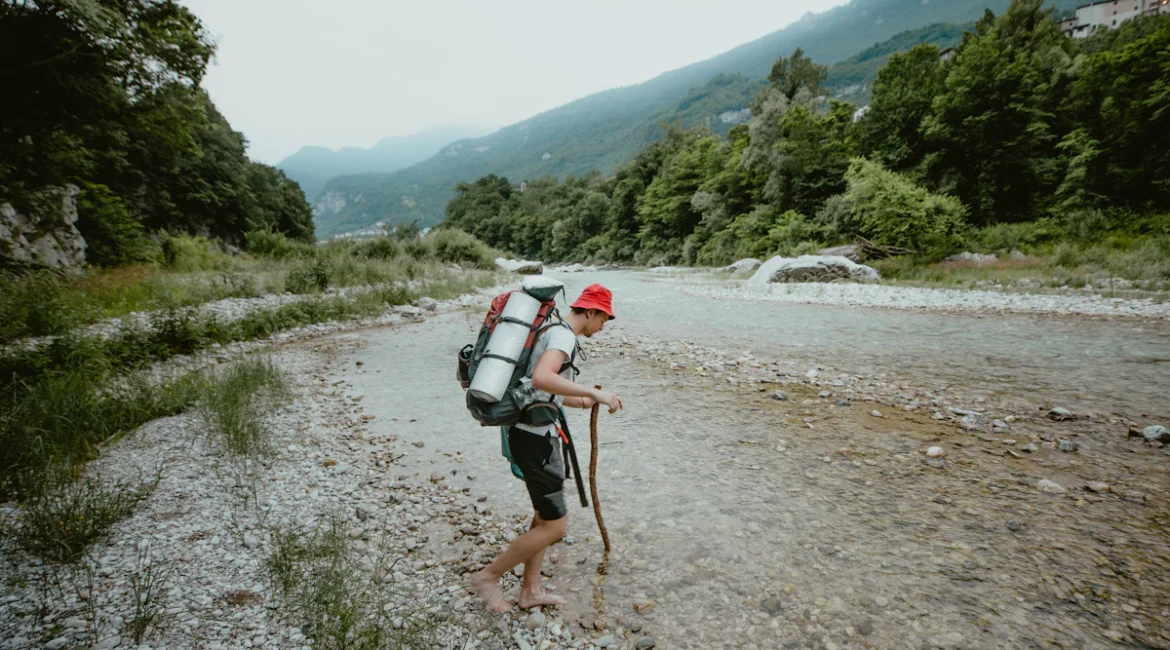
The Best Trekking Poles for Stability on Chirripó Trails
Embarking on the challenging trails of Chirripó, Costa Rica’s highest peak, is an unforgettable adventure. While the views from the summit are breathtaking, the journey itself demands preparation, stamina, and the right gear. To make the most of your trek and ensure a safe and enriching experience, consider hiring expert local Chirripó guides. Among the most crucial pieces of equipment for enhancing your stability and reducing strain on Chirripó’s varied terrain are trekking poles. This guide will walk you through what makes the best trekking poles ideal for this unique environment, helping you make an informed decision before you hit the trail.
As an Amazon Associate, we earn from qualifying purchases.
Why You Need Trekking Poles for Chirripó
Chirripó’s trails present a diverse range of conditions, from steep ascents and descents to rocky sections and muddy paths. Having the right gear for Chirripó’s challenging terrain isn’t just about comfort; it’s about safety and endurance. Before your trip, ensure you’ve arranged essential Costa Rica travel insurance for peace of mind. Trekking poles offer multiple benefits:
- Enhanced Stability and Balance: They provide two extra points of contact with the ground, significantly reducing your risk of slips and falls on uneven or loose surfaces.
- Reduced Strain on Joints: Poles absorb some of the impact, especially on descents, lessening the stress on your knees, ankles, and hips. This is particularly beneficial on long treks.
- Increased Uphill Power: You can use your arms and shoulders to assist your leg muscles, making climbs feel less strenuous and more efficient.
- Improved Rhythm and Pace: Poles can help establish a consistent walking rhythm, which conserves energy over long distances.
- Testing Terrain: Use poles to probe puddles, loose soil, or snow to gauge depth and stability before committing your weight.
Key Features to Look for in Chirripó Trekking Poles
When selecting your trekking poles for Chirripó, consider these essential features to ensure they meet the demands of the environment:
Material: Aluminum vs. Carbon Fiber
- Aluminum Poles: Generally more durable and less expensive. They can bend under extreme pressure but are less likely to snap.
- Carbon Fiber Poles: Significantly lighter, which reduces swing weight and overall pack weight. They absorb vibrations well but can be more brittle and prone to snapping if bent sharply under pressure. For Chirripó, a good lightweight trekking pole option is often preferred for long distances.
Adjustability and Locking Mechanisms
Most trekking poles are adjustable in length to accommodate different heights and terrains. You’ll want poles that can be shortened for uphill climbs and lengthened for descents.
- Lever Locks (Flip Locks): These are generally easier to adjust, even with gloves, and tend to be more reliable in varying conditions.
- Twist Locks: While effective, they can sometimes freeze up or be harder to operate in cold, wet conditions.
Grip Comfort
The material and design of the grip are crucial for comfort, especially over many hours of hiking. Look for:
- Cork: Molds to your hand over time, wicks away sweat, and offers good insulation.
- Foam: Lightweight, soft, and absorbs sweat well.
- Rubber: Durable and provides excellent grip, particularly in wet conditions, but can cause more hand sweating.
Shock Absorption
Some poles incorporate internal springs that absorb impact, making them ideal for hikers with knee or joint issues. This feature can greatly enhance comfort on long descents, offering a shock absorbing pole benefit.
Basket and Tip Options
While often overlooked, the baskets (small discs near the tip) prevent poles from sinking too deep into soft ground or snow. For Chirripó, smaller trekking baskets are typically sufficient. Tips are usually carbide or steel for durability and grip on various surfaces.
Top Trekking Poles for Your Chirripó Adventure
While specific models vary, the “best” trekking poles for Chirripó will typically combine several of the features discussed above. When considering a hiking poles review, prioritize:
- Lightweight Design: Whether carbon fiber or a high-grade aluminum, minimizing weight will reduce fatigue over multiple days.
- Reliable Locking Mechanism: Lever locks are often favored for their ease of use and dependability.
- Comfortable Grips: Choose a material that feels good in your hand and manages moisture effectively.
- Durability: The poles must withstand rocky impacts and frequent use.
- Adjustability: Look for adjustable trekking poles that can be easily set to your optimal height for ascents and descents.
Many reputable outdoor brands offer poles that excel in these areas. Focus on finding a pair that feels robust and comfortable for your specific hiking style and budget.
How to Use Trekking Poles Effectively on Chirripó
Proper technique maximizes the benefits of your poles. Here are a few quick tips:
- Adjust Length: On flat terrain, your elbow should form a 90-degree angle when holding the pole upright. Shorten poles for uphill sections and lengthen them for downhill.
- Natural Rhythm: Move your poles in opposition to your feet (left foot, right pole forward).
- Use Straps Correctly: Thread your hand up through the bottom of the strap and then grasp the grip. This allows you to lean on the strap for support and prevents losing the pole if you momentarily relax your grip.
Practicing with your poles on various inclines before your Chirripó trip will significantly improve your confidence and efficiency. For more insights on physical preparation, see our guide to training for the Chirripó summit.
Maintaining Your Trekking Poles
To ensure your poles last for many adventures, keep them clean after each use, especially if they’ve been exposed to mud or dirt. Disassemble adjustable sections to clean and dry them thoroughly to prevent corrosion and ensure smooth operation of the locking mechanisms. Regularly check tips and baskets for wear and replace them as needed (hiking pole accessories).
Are Trekking Poles Necessary for Chirripó?
While not strictly mandatory, trekking poles are highly recommended for Chirripó. They significantly enhance stability, reduce strain on your joints, and provide extra support on the steep and varied terrain, making your hike safer and more enjoyable.
What features should I look for in trekking poles?
Key features to prioritize include lightweight yet durable material (like carbon fiber or aluminum), reliable locking mechanisms (lever locks are often preferred), comfortable grips (cork or foam), and adjustable length. Shock absorption is also a beneficial feature for reducing joint impact.
What are the best brands of trekking poles for hiking in Costa Rica?
While specific models change, reputable brands known for quality trekking poles suitable for rugged terrain include Black Diamond, Leki, and MSR. When choosing, focus on the features that best suit the demands of Chirripó rather than just brand name.
Choosing the right trekking poles is a vital step in preparing for your Chirripó adventure. By investing in a quality pair, you’ll gain stability, reduce fatigue, and protect your body, allowing you to fully appreciate the stunning beauty of Costa Rica’s highest peak. As part of your trip planning, remember to compare places to stay near Chirripó to secure your accommodation. Don’t forget to check out our complete guide to the best hiking gear for Chirripó to ensure you’re fully equipped for your journey.
