Embarking on the challenging yet incredibly rewarding trek to Mount Chirripó, Costa Rica’s highest peak, requires meticulous preparation. Among all your gear, your backpack stands out as one of the most crucial elements. It’s not just a bag; it’s your portable home, your lifeline, and a key determinant of your comfort and endurance on the trail. Choosing the right hiking backpack for Chirripó is paramount to a successful and enjoyable adventure.
As an Amazon Associate, we earn from qualifying purchases.
Why Your Backpack Matters for Your Chirripó Trek
Imagine ascending steep trails with an ill-fitting pack, chafing your shoulders or swaying awkwardly with every step. The wrong backpack can turn an epic journey into an ordeal. A well-chosen pack, however, will distribute weight effectively, provide easy access to essentials, and protect your gear from the unpredictable mountain weather. For a multi-day trek like Chirripó, comfort, durability, and practical features are non-negotiable. This guide will help you navigate the options and find your ideal companion for the climb.
Key Factors When Choosing Your Hiking Backpack for Chirripó
What Capacity Backpack Do I Need for Chirripó?
The capacity of your backpack, measured in liters, is perhaps the first decision you’ll make. For an overnight or two-night trek like Chirripó, a pack in the 40-60 liter range is generally recommended. This allows enough space for essentials such as clothing layers, food, water, a sleeping bag (if not renting at Crestones Base Camp), and personal items, without being overly bulky. If you plan to carry extra camera gear or have more specialized equipment, you might lean towards the higher end of this range. Remember to consult our comprehensive Chirripó packing list for detailed gear requirements to help determine your exact needs.
Fit and Comfort: The Foundation of a Good Trek
A backpack’s capacity is useless if it doesn’t fit you properly. Fit is arguably the most critical factor for comfort and preventing injury. Look for packs that come in different torso sizes or have adjustable torso lengths. The bulk of the pack’s weight should rest on your hips, not your shoulders. A well-padded, adjustable hip belt is essential. Shoulder straps should contour comfortably without gaps or excessive pressure points. Load lifter straps, sternum straps, and compression straps all play a role in stabilizing the load and bringing it closer to your body, enhancing your balance and reducing fatigue. Don’t underestimate the importance of trying on a pack, preferably with some weight in it, to assess its comfort and adjustability.
What Features Are Important in a Trekking Backpack?
Modern trekking backpacks come with a myriad of features designed to enhance your experience. When choosing your Chirripó backpack guide, consider these key aspects:
- Hydration Compatibility: A dedicated sleeve for a water reservoir and a port for the drinking tube are incredibly convenient. Learn more about optimal hydration strategies in our guide to hydration packs for Chirripó.
- Rain Cover: Chirripó’s weather can change rapidly, with rain being a common occurrence. An integrated or included rain cover is a must-have for protecting your gear.
- Multiple Access Points: Top-loading is standard, but front or bottom zipper access can make it easier to retrieve items without unpacking everything.
- Pockets and Compartments: External pockets for water bottles, hip-belt pockets for snacks or phone, and internal organization can improve accessibility and weight distribution.
- Gear Loops and Attachment Points: Useful for attaching trekking poles, ice axes (in colder seasons), or other gear externally. Just as a well-fitted backpack enhances comfort, the right trekking poles can significantly benefit your hike, especially on challenging terrain.
- Ventilation: A good back panel design that allows air circulation can reduce sweat and discomfort.
- Compression Straps: These help to cinch down your load, keeping it stable and compact.
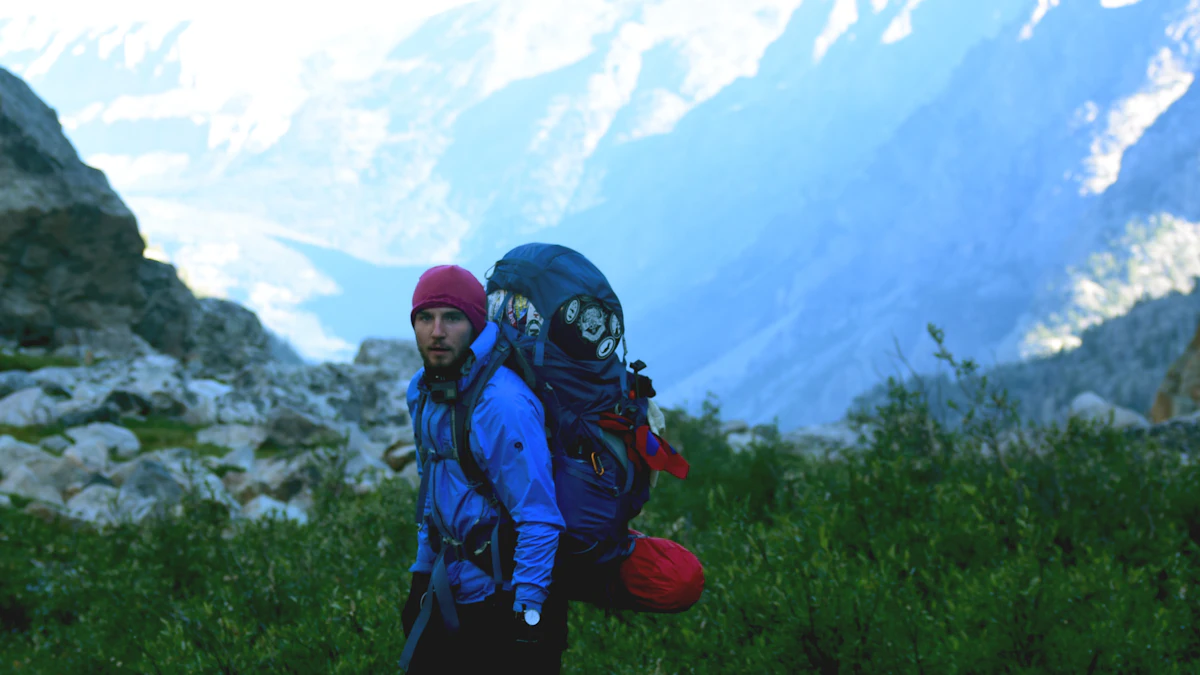
These trekking backpack features contribute significantly to ease of use and comfort on long hikes.
Durability and Material
Chirripó’s trails can be rugged. Your backpack needs to withstand abrasions, snags, and varying weather conditions. Look for packs made from durable nylon or polyester fabrics, often denoted by denier (D) ratings—higher numbers indicate greater strength. Reinforced stitching, robust zippers, and quality buckles are indicators of a well-made pack that will last.
Weight of the Pack Itself
While durability is important, so is the empty weight of the backpack. An unnecessarily heavy pack will add to your overall load, making the trek more strenuous. Aim for a balance between robust construction and a reasonable base weight, especially for an “overnight pack Chirripo” where every ounce counts.
Special Considerations for Chirripó’s Unique Environment
Weather Resistance for Tropical Conditions
Chirripó is known for its dramatic weather shifts, from hot sun to heavy downpours and cold winds. Beyond a rain cover, consider water-resistant fabrics and well-sealed seams to give your gear extra protection. Packing essentials in dry bags inside your backpack is also a wise precaution. Find travel backpacks with rain covers on Amazon to help keep your gear dry.
Accessibility and Organization
You’ll frequently need to access layers, snacks, water, and navigation tools. Thoughtful pocket placement and external attachment options can save you time and hassle on the trail, preventing the need to constantly unbuckle and dig through your main compartment.
How Do I Properly Fit a Hiking Backpack?
Properly fitting your backpack is a process, not a one-time adjustment. Here are some key backpack fitting tips:
- Measure Your Torso: Use a flexible tape measure to find the distance between your C7 vertebra (the prominent bone at the base of your neck) and the top of your hip bones (iliac crest). This measurement helps you choose the correct pack size.
- Load the Pack: Put about 15-20 pounds of gear into the pack to simulate a real load.
- Loosen All Straps: Start with all compression, shoulder, and load lifter straps completely loose.
- Position the Hip Belt: Center the hip belt padding over your hip bones, then tighten it securely. The hip belt should bear most of the pack’s weight.
- Tighten Shoulder Straps: Pull the shoulder straps snug, but not so tight that they lift the hip belt off your hips. They should primarily stabilize the pack.
- Adjust Load Lifter Straps: These straps connect the top of the shoulder straps to the pack body. Tighten them to pull the top of the pack closer to your body, aiming for a 45-degree angle. This helps balance the load and prevent it from pulling back.
- Fasten the Sternum Strap: Adjust its height and tension to prevent the shoulder straps from digging into your armpits and to provide additional stability across your chest.
- Walk Around: Move around, bend, and twist to ensure the pack feels stable and comfortable. There should be no painful pressure points.
Choosing the Best Hiking Pack for Your Adventure
While specific brands and models change, focusing on the principles of capacity, fit, features, and durability will lead you to the best hiking packs for your needs. Consider whether an internal frame (most common for backpacking today, offering good stability and close carry) or an external frame (can carry very heavy, awkwardly shaped loads, better ventilation) is right for you, though internal frames are typical for Chirripó. Ultimately, the best pack is the one that fits you best and meets your specific requirements for the trek.
Ready to explore options? Browse a wide selection of backpacking packs on Amazon.
Conclusion
Your journey to Chirripó will be an unforgettable experience, and the right backpack will be a silent, supportive partner every step of the way. By carefully considering capacity, fit, essential features, and durability, you can choose a hiking backpack for Chirripó that enhances your comfort, protects your gear, and allows you to fully immerse yourself in the stunning beauty of Costa Rica’s highest peak. Happy trekking!
