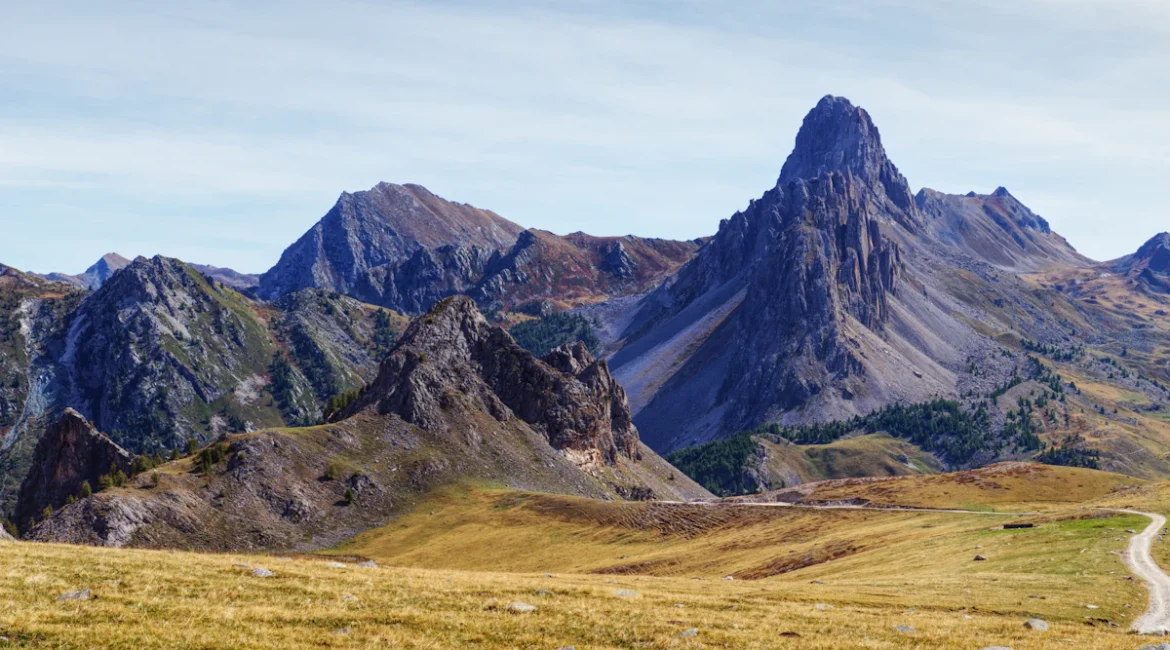
Mount Chirripó, standing proudly as the highest peak in Costa Rica, draws countless adventurers each year. While reaching its iconic summit is a monumental achievement, the Talamanca mountain range holds a wealth of other challenging and incredibly rewarding destinations for those willing to venture off the most trodden path. For experienced hikers seeking to deepen their exploration and discover unparalleled solitude, Chirripó’s secondary peaks offer a unique opportunity to push limits and uncover breathtaking vistas rarely seen by the average trekker.
As an Amazon Associate, we earn from qualifying purchases made through our affiliate links.
Why Explore Chirripó’s Lesser-Known Summits?
Unique Perspectives and Unmatched Solitude
Venturing beyond the main summit trail often leads to areas of incredible natural beauty that remain largely untouched. These secondary peaks provide different angles and panoramic views of the Chirripó massif, the vast surrounding wilderness, and on clear days, even glimpses of both the Pacific Ocean and the Caribbean Sea. The silence, broken only by the wind or the calls of rare birds, offers a profound connection to nature, far from the busier routes.
A True Test of Skill and Endurance
Hiking these additional summits typically involves more technical terrain, less defined trails, and requires a higher level of navigational skill and physical endurance. This makes them ideal for experienced hikers who thrive on challenge and are looking for more than just a direct ascent to the highest point. It’s an opportunity to test your backcountry capabilities and expand your understanding of the park’s diverse ecosystems.
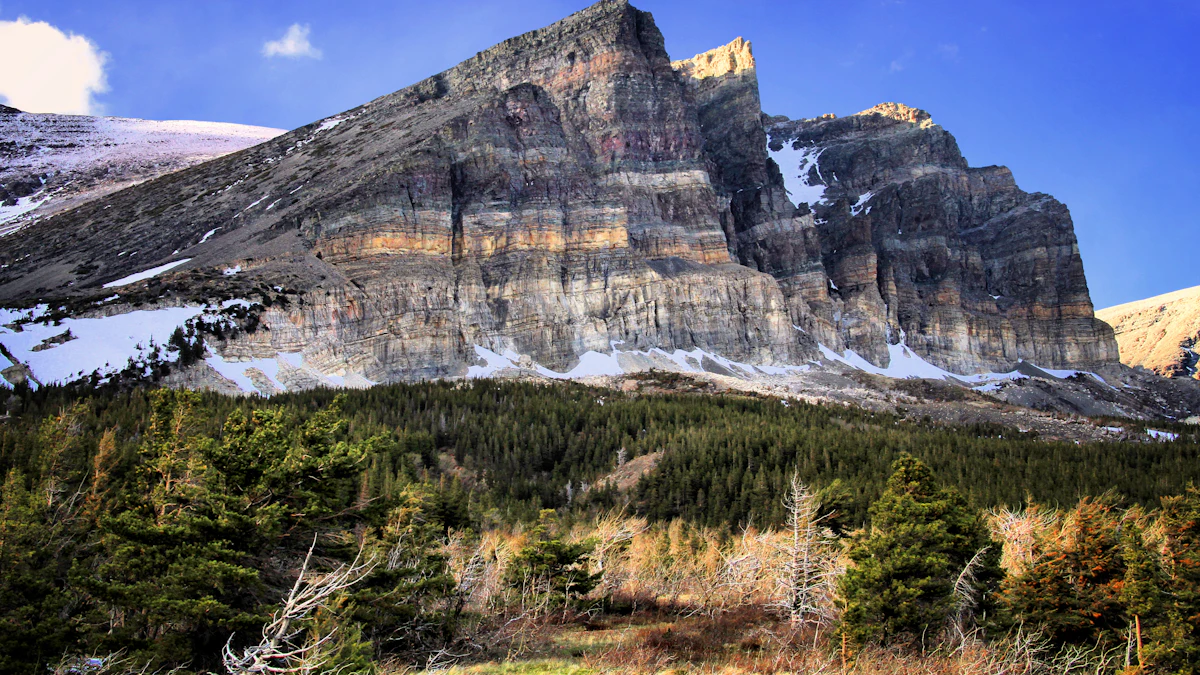
Notable Secondary Peaks and Ridges
Cerro Ventisqueros: The Park’s Second Highest
Just a stone’s throw from the main Chirripó summit, Cerro Ventisqueros stands as the second-highest point in Costa Rica. While its proximity might suggest an easy add-on, the traverse can be challenging, particularly in adverse weather. The reward is a distinct panoramic view, often including impressive glacial valleys and cirques.
Crestones: Iconic Rock Formations with Hidden Trails
The famous Crestones are a highlight for many visitors to Chirripó. While the refugio offers clear views, exploring the base and finding less-known paths around these colossal rock formations can reveal hidden natural wonders and unique photographic opportunities. Some adventurous routes might even allow for views from smaller, unnamed peaks nearby, offering different perspectives of these majestic giants.
Cerro Terbi: A Challenging Detour
Often considered an extension for those staying at the Chirripó base camp (Base Crestones), Cerro Terbi offers a rugged and steep ascent. The trail can be exposed and demands careful footing, but the summit provides incredible views back towards the main Chirripó peak and across the sweeping Talamanca range. It’s an excellent objective for those looking to add another significant accomplishment to their trip.

Essential Preparation for Off-Summit Exploration
Navigational Prowess and Gear
When exploring hiking gear for Chirripó beyond the main trails, strong navigational skills are paramount. A GPS device, compass, and detailed topographic map are indispensable. Visibility can change rapidly in the high mountains, making reliable navigation critical. Additionally, consider sturdy footwear and, as always, trekking poles can be a game-changer for stability on uneven terrain.
Physical and Mental Readiness
These secondary peaks demand excellent physical condition and mental fortitude. They often involve steeper ascents, longer distances, and more exposure to the elements than the primary route. Ensure you’ve followed a robust training regimen, such as outlined in how to train for your Chirripó hike, to prepare your body for the rigors of high-altitude trekking.
Understanding Permits and Regulations
While the main permit covers entry to Chirripó National Park, always verify if any special permissions or if booking local Chirripó guides & tours is required or recommended for specific secondary peaks or off-trail routes. It’s crucial to respect park regulations and minimize your impact on the delicate ecosystem. For general park information and common routes, consult resources like Chirripó National Park hiking trails.
Planning Your Extended Chirripó Adventure
Logistical Considerations
Factor in extra time for these side trips. Depending on the peak, they could add several hours or even a full day to your itinerary. Ensure your food and water supplies are sufficient, and always pack emergency essentials. Consider carrying a satellite communicator for areas with no cell service, and ensure you can get a Costa Rica eSIM for data to stay connected when coverage is available.
Safety First
Always inform park rangers or trusted contacts of your exact route and estimated return time. Weather in the Talamancas can be unpredictable, changing from clear skies to dense fog, rain, or even hail in minutes. Be prepared for all conditions and know when to turn back if conditions become unsafe, and always get a Costa Rica travel insurance quote for your trip.
FAQs About Chirripó’s Secondary Peaks
What are some notable secondary peaks near Chirripó?
Beyond the main summit, prominent secondary peaks include Cerro Ventisqueros (the second-highest peak in Costa Rica), the challenging Cerro Terbi, and various vantage points around the iconic Crestones rock formations. Many smaller, unnamed ridges and peaks also offer unique exploration opportunities.
Are permits required for these secondary peaks?
Generally, your standard Chirripó National Park permit covers access to the general park area, including trails leading to secondary peaks. However, it’s always advisable to confirm with the park administration or your guide if any specific routes require additional permissions or if certain areas are restricted for conservation or safety reasons.
What is the difficulty level of hiking these additional peaks?
Hiking Chirripó’s secondary peaks typically ranges from challenging to extremely difficult. They often involve steep, exposed terrain, less defined trails, and require advanced navigational skills. These routes are best suited for experienced hikers with excellent physical condition and preparedness for varied mountain weather.
For the experienced adventurer, Chirripó’s secondary peaks are not merely detours but destinations in their own right, promising solitude, challenge, and perspectives that few ever witness. Embrace the call of the wild and discover the hidden gems beyond the summit.
