Safety Tips for Solo Hikers in Chirripó National Park
Chirripó National Park, with its towering peaks and breathtaking vistas, offers an unparalleled opportunity for adventure and self-discovery. For many, the allure of a solo trek—the quiet contemplation, the challenge, and the freedom—is irresistible. However, the same solitude that makes solo hiking so appealing also amplifies the need for meticulous planning and unwavering adherence to safety protocols. Embarking on a solo hiking safety Chirripó adventure demands respect for the mountain’s power and a comprehensive understanding of the risks involved. This guide is designed to empower you with the knowledge to undertake your Chirripó solo trek safely and responsibly.
As an Amazon Associate, we earn from qualifying purchases made through the affiliate links in this article.
Pre-Hike Preparation: Your Foundation for a Safe Journey
Permits, Reservations, and Park Regulations
Before you even pack your bags, securing your Chirripó National Park permits and lodging at the Base Crestones hut is paramount. Solo hikers must be especially diligent in ensuring all necessary documentation is in order. Familiarize yourself with all park regulations, including entry and exit times, designated trails, and any specific rules for solo visitors. These rules are in place for your safety and the preservation of the delicate ecosystem.
Physical and Mental Readiness
Chirripó is not a casual stroll; it is a demanding high-altitude trek. For a solo hiker, physical fitness is not just about comfort—it’s a critical safety factor. Ensure you are in excellent physical condition, capable of carrying your gear over challenging terrain for extended periods. Equally important is mental preparedness; the ability to stay calm, make sound decisions under pressure, and maintain a positive attitude can be your most valuable asset when hiking alone Costa Rica. Learn how to prepare for high-altitude hiking in Chirripó to mitigate the risks of altitude sickness.
Thorough Research and Detailed Itinerary
Never underestimate the importance of local knowledge. Research current trail conditions, recent weather patterns, and potential hazards. Booking local Chirripó guides can provide invaluable insights. Share your detailed itinerary with a trusted contact who knows your exact route, planned overnight stays, and expected return time. Include contingency plans for delays or emergencies. For more general advice, check our essential Chirripó trekking tips. And to stay connected throughout your journey, consider getting a Costa Rica eSIM for data.
Essential Gear and Packing Smart
As a solo hiker, you are your own support system. Your backpack must contain everything you need to be self-sufficient. This includes:
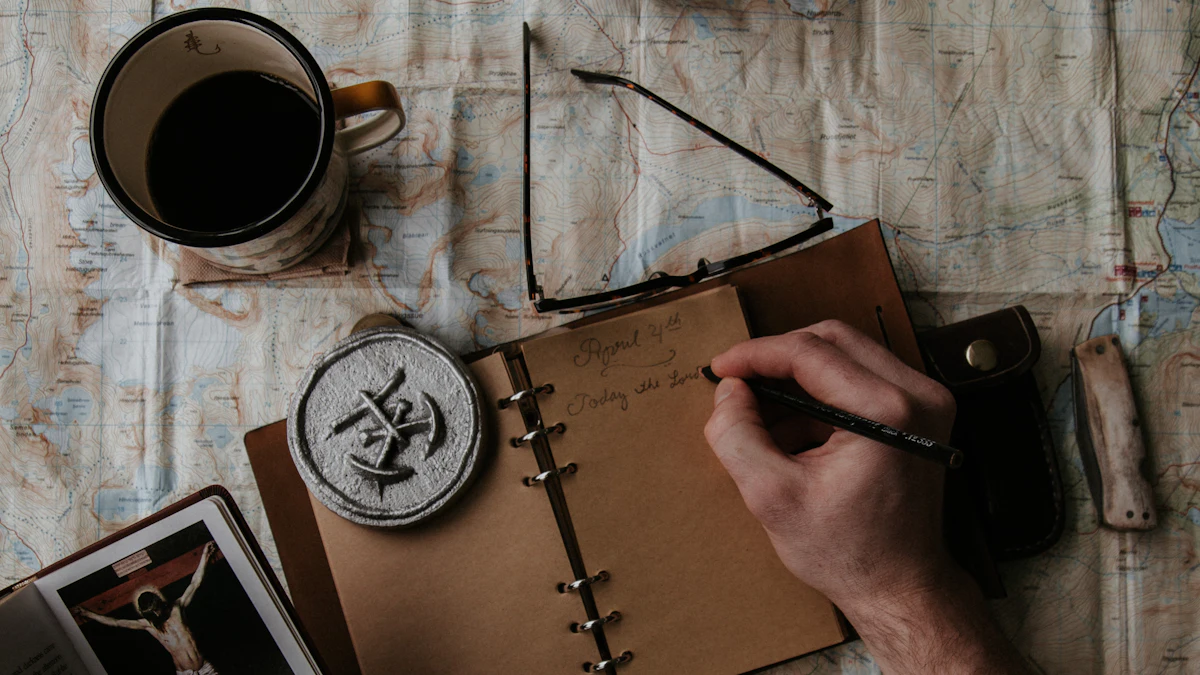
- Navigation Tools: A detailed physical map, compass, and a fully charged GPS device or smartphone with offline maps. Know how to use them.
- Layered Clothing: Rapid weather changes are common. Pack layers, including waterproof and windproof outer shells, thermal underwear, and a warm hat.
- Shelter & Sleep: A lightweight tent or bivvy (if not staying at Crestones), a warm sleeping bag, and an insulated sleeping pad.
- Water & Food: Sufficient water or a reliable purification method, and high-energy, non-perishable food.
- Lighting: A reliable headlamp with extra batteries is crucial for early starts or unexpected delays.
On the Trail: Navigating Safely and Responsibly
Mastering Navigation Skills
Even on well-marked trails, it’s easy to get disoriented, especially in dense fog or at night. Practice reading a map and using a compass before your trip. Always pay attention to your surroundings, noting landmarks that can help you backtrack if necessary. Stick to marked trails and avoid shortcuts.
Pacing Yourself and Listening to Your Body
Solo hiking offers the freedom to set your own pace, but it also means you have no one else to lean on. Start slow, especially on the ascent, to acclimatize to the altitude. Take regular breaks, hydrate constantly, and refuel frequently. If you feel unwell or overly fatigued, it’s safer to turn back or rest than to push yourself into a dangerous situation.
Weather Awareness and Adaptability
Chirripó’s weather can be notoriously unpredictable, often shifting from clear skies to dense fog, rain, or even hail in a matter of hours. Always check the latest forecast, but be prepared for anything. If adverse weather rolls in, know when to seek shelter, when to don your rain gear, and when it’s prudent to postpone or turn back. A chirripó emergency plan often hinges on recognizing and respecting changing weather conditions.
Wildlife Encounters
While dangerous wildlife encounters are rare, be aware of your surroundings. Store food properly to avoid attracting animals. Maintain a respectful distance and never feed wildlife. If you encounter an animal, remain calm and make slow, deliberate movements.
Emergency Preparedness: Your Lifeline in a Crisis

Reliable Communication Devices
Cell phone service is often non-existent in remote sections of Chirripó. Invest in a satellite messenger or a personal locator beacon (PLB). These devices can send distress signals and communicate your location to emergency services, providing a vital safety net for any safe hiking tips.
Comprehensive First Aid and Survival Skills
Carry a well-stocked first aid kit and know how to use its contents for common hiking injuries or ailments. Beyond medical supplies, basic survival skills—like building an emergency shelter, purifying water, and signaling for help—can be life-saving. Consider taking a wilderness first aid course before your trek.
Developing a Chirripó Emergency Plan
Before you leave, visualize potential emergency scenarios (getting lost, injury, severe weather) and mentally rehearse your response. Know who to contact, how to use your communication devices, and the best course of action for various situations. This proactive approach significantly enhances your overall chirripó emergency plan, and for comprehensive coverage, consider obtaining Costa Rica travel insurance.
Signaling for Help
In addition to electronic devices, carry an emergency whistle. Three short blasts are a universal distress signal. Brightly colored clothing or gear can also aid in visibility for search and rescue teams.
Staying Connected and Maintaining a Positive Mindset
Inform Others of Your Plans
Even if you’re undertaking a Chirripó solo trek, you don’t have to be completely alone in terms of accountability. Beyond family or friends, inform park rangers of your solo status and detailed itinerary upon entry. Check in with them when you return.
Cultivate Mental Fortitude
Solo hiking can be mentally challenging. Be prepared for moments of doubt, loneliness, or fear. Practice mindfulness and problem-solving. Your ability to maintain a positive and determined mindset is crucial for overcoming obstacles and enjoying the experience.
Practice Leave No Trace Principles
As a solo adventurer, you are an ambassador for responsible recreation. Adhere strictly to Leave No Trace principles: pack out everything you pack in, stay on marked trails, respect wildlife, and minimize your impact on the environment. This ensures the beauty of Chirripó can be enjoyed by all, now and in the future.
Frequently Asked Questions
Is solo hiking officially allowed in Chirripó National Park?
Yes, solo hiking is allowed in Chirripó National Park. However, park authorities strongly recommend hiking with a companion due to the challenging terrain and unpredictable weather. If you choose to hike solo, you must be exceptionally well-prepared and self-sufficient, adhering strictly to park regulations and safety guidelines.
What communication devices are recommended for solo hikers in remote areas?
For remote areas like Chirripó where cell service is unreliable, essential communication devices include a satellite messenger (e.g., Garmin inReach, Zoleo) or a Personal Locator Beacon (PLB). These devices allow you to send emergency signals, and some offer two-way messaging, providing a critical lifeline in an emergency.
How can I prepare for unexpected weather changes as a solo hiker?
To prepare for unexpected weather, always check multiple forecasts before your trip, but pack as if the worst weather is possible. Carry layered clothing (including waterproof and windproof outer shells), a warm hat, and gloves, regardless of the forecast. Know how to set up an emergency shelter if needed and be prepared to turn back or seek safe refuge if conditions deteriorate rapidly.
A solo hiking safety Chirripó adventure can be one of the most rewarding experiences of your life. By prioritizing preparation, understanding the unique challenges of hiking alone Costa Rica, and adhering to these safe hiking tips, you can ensure your journey to the Roof of Costa Rica is not only memorable but also wonderfully safe.
