Discover the Avian Wonders of Chirripo
The Chirripo region of Costa Rica is a true paradise for birdwatchers, offering an incredible diversity of avian life amidst stunning cloud forests and montane ecosystems. Nestled around the base of Mount Chirripó, the country’s highest peak, this area provides unique habitats that attract a myriad of species, including some of Costa Rica’s most sought-after birds. Whether you’re an experienced birder or a curious nature enthusiast, Chirripo promises unforgettable encounters with its feathered residents.
As an Amazon Associate, we earn from qualifying purchases.
Premier Birdwatching Hotspots in Chirripo
To maximize your birding experience, knowing where to focus your efforts is key. The diverse landscapes around Chirripo offer several prime locations:
San Gerardo de Rivas and Surrounding Trails
The charming village of San Gerardo de Rivas, often the gateway to Chirripó National Park, is a fantastic starting point. To find lodging options, you can Compare Places to Stay Near Chirripó. Many lodges and hotels in the area maintain feeders that attract a dazzling array of hummingbirds, tanagers, and other colorful passerines right to your doorstep. Local trails winding through coffee farms and secondary forests also offer excellent opportunities to spot a variety of species. Early mornings are particularly active.
Chirripó National Park and Its Foothills
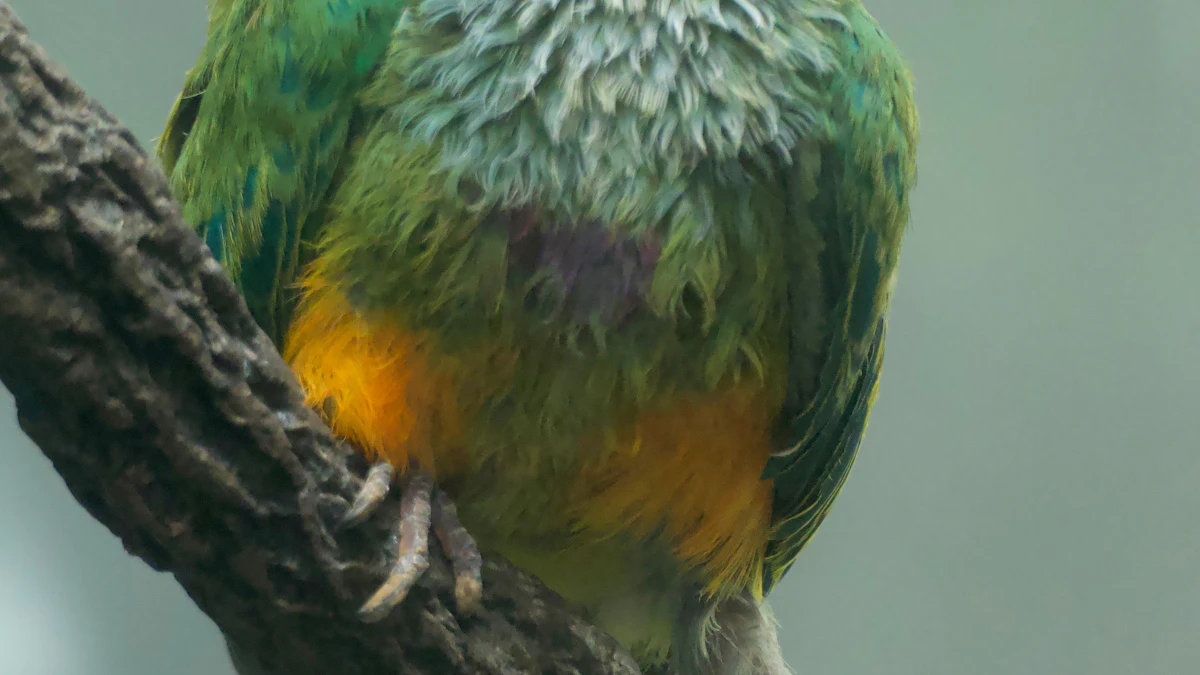
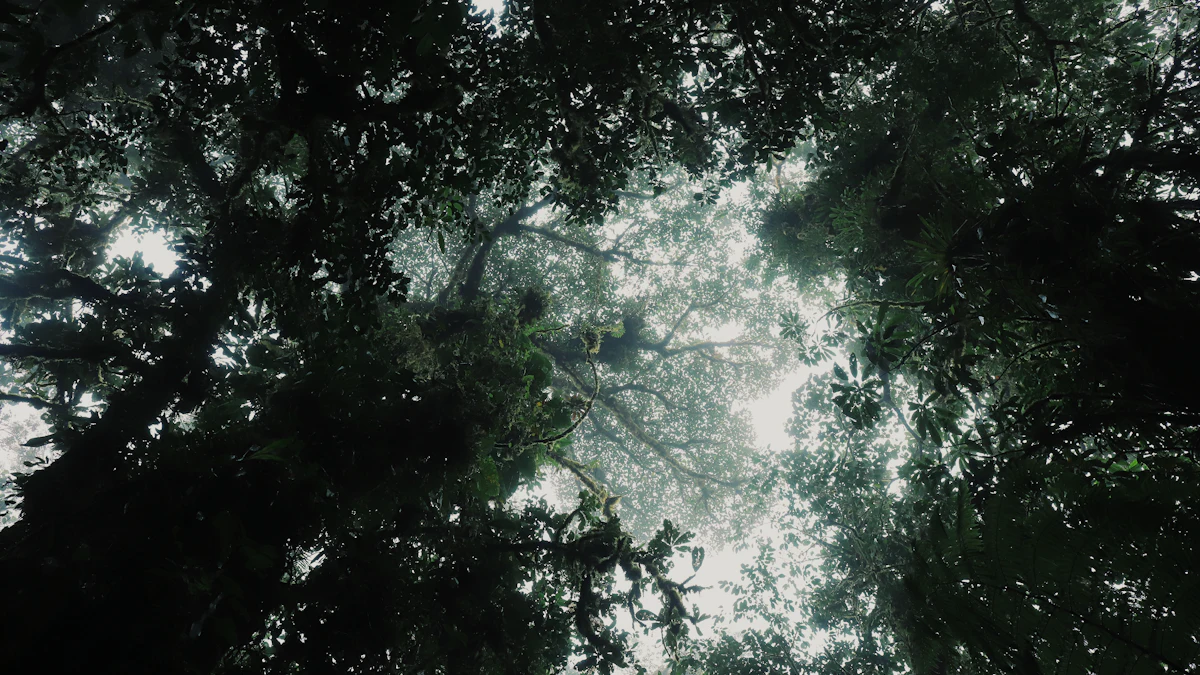
While the summit trek is for hikers, the lower and mid-elevation zones of Chirripó National Park are teeming with birdlife. The cloud forest habitat here is especially rich. Exploring trails in the buffer zones and lower park entrance areas can yield sightings of trogons, toucanets, and various raptors. The cool, misty environment of the cloud forest creates a unique ecosystem, home to many specialized species. For a deeper understanding of this unique environment, consider exploring the cloud forest itself.
High-Altitude Cloud Forests and Oak Woodlands
As you ascend to higher elevations, the bird species composition changes. The dense oak woodlands and elfin forests found at higher altitudes provide critical habitat for species adapted to cooler, moister conditions. These areas are often less disturbed and can be incredibly rewarding for patient birders.
Iconic Bird Species to Look For
The Chirripo region boasts an impressive bird list. Here are some of the most anticipated sightings:
The Resplendent Quetzal
Perhaps the most famous avian resident, the Resplendent Quetzal is a top draw for birdwatchers visiting Chirripo. Known for its iridescent green plumage, crimson breast, and in males, magnificent long tail feathers, spotting a quetzal is often a highlight of any trip. The best places to spot quetzals near Chirripo are typically in the high-altitude cloud forests and oak woodlands, particularly during their nesting season (roughly February to July) when they are most active and vocal. They feed primarily on aguacatillo (wild avocado) fruit, so focusing on trees bearing these fruits can increase your chances.
Other Chirripo Bird Species
- Hummingbirds: A multitude of species, including Violet Sabrewing, Green Violetear, and Magnificent Hummingbird, are common at feeders and among flowering plants.
- Trogons and Toucanets: Besides the quetzal, look for Collared Trogons, Slaty-tailed Trogons, and Emerald Toucanets in the forest canopy.
- Tanagers and Finches: Colorful species like Golden-browed Chlorophonia, Flame-colored Tanager, and Slaty Flowerpiercer are often seen in forest edges and clearings.
- Raptors: Keep an eye on the skies for Ornate Hawk-Eagle, Barred Forest-Falcon, and various kites.
- Endemic and Near-Endemic Species: The Talamanca mountains, which include Chirripo, host several endemic or near-endemic birds such as the Black-and-yellow Silky-flycatcher and Timberline Wren, making the region crucial for specialized birding.
Tips for a Successful Birdwatching Trip
- Go Early: Birds are most active at dawn and early morning.
- Bring Binoculars: Essential for clear views. You can find a wide range of birdwatching binoculars suitable for tropical environments on Amazon. For identification and logging, Discover Costa Rica Wildlife Apps.
- Dress Appropriately: Layers are best for the variable cloud forest weather, and muted colors help you blend in.
- Patience is Key: Birding requires quiet observation and patience.
- Consider a Guide: Local guides possess invaluable knowledge of bird calls, behaviors, and current hotspots. They significantly increase your chances of spotting specific species. To find expert assistance, you can Book Local Chirripó Guides & Tours.
Frequently Asked Birding Questions
We’ve covered many of these already, but here are quick answers to common inquiries:
Where are the best places to spot quetzals near Chirripo?
High-altitude cloud forests and oak woodlands, particularly around San Gerardo de Rivas and the lower slopes of Chirripó National Park, especially during the breeding season (February-July) when they are more active.
What are some common and rare bird species in the Chirripo area?
Common species include various hummingbirds, tanagers, and trogons. Rare or highly sought-after species include the Resplendent Quetzal, Black-and-yellow Silky-flycatcher, and Timberline Wren.
Are there guided birdwatching tours available?
Yes, numerous local guides and tour operators in San Gerardo de Rivas specialize in birdwatching tours, offering their expertise to help you find specific species and understand the local ecosystem. We recommend exploring options for Chirripó tours and guides.
Plan Your Avian Adventure in Chirripo
The Chirripo region offers an unparalleled birdwatching experience, from the majestic Resplendent Quetzal to a symphony of colorful hummingbirds and tanagers. With its pristine cloud forests and dedicated local conservation efforts, it remains one of Costa Rica’s prime destinations for anyone passionate about birds. Start planning your trip today to witness these incredible creatures in their natural habitat.
