Photography Guide to Chirripó National Park
Chirripó National Park, home to the highest peak in Costa Rica, Mount Chirripó, offers a breathtaking canvas for photographers. With its dramatic landscapes, unique cloud forests, and diverse ecosystems, every turn presents a new opportunity for stunning imagery. This guide provides essential Chirripó photography tips, covering everything from prime locations and optimal lighting to crucial gear and effective techniques, ensuring you capture the park’s majestic beauty.
As an Amazon Associate, we earn from qualifying purchases.
Discovering Chirripó’s Most Photogenic Locations
Chirripó’s varied terrain means a wealth of photographic subjects. To best explore these diverse zones and capture their unique charm, consider booking local Chirripó guides & tours. From the rugged peaks and glacial lakes of the high-altitude páramo to the misty cloud forests at lower elevations, each zone has its charm.
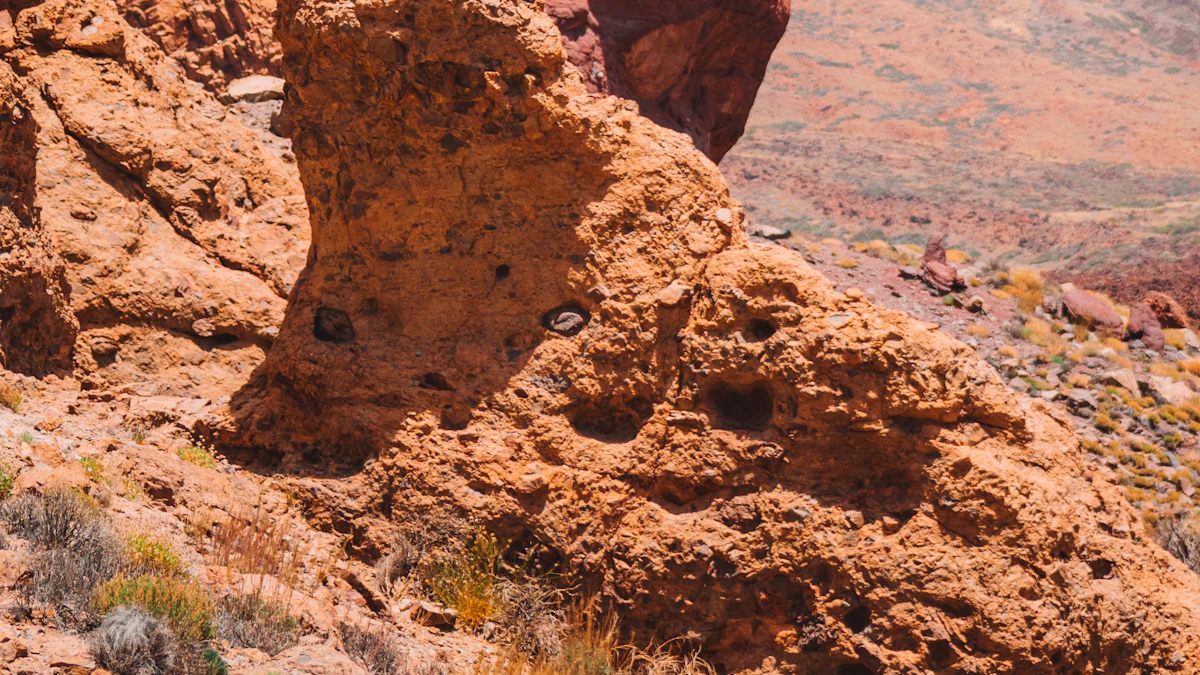
- Crestones Base Camp Area: The iconic “Crestones” rock formations are a must-capture, especially during golden hour. The trails around the base camp offer panoramic vistas of the surrounding valleys and peaks.
- Valle de los Conejos & Valle de las Morrenas: These valleys showcase unique glacial formations, scattered lakes, and an otherworldly feel, perfect for wide-angle landscape shots.
- Cloud Forest Trails: Explore the lower trails for opportunities to photograph moss-draped trees, vibrant orchids, and an incredible array of plant life. Macro photography thrives here.
For specific recommendations on capturing the park’s most magical moments, don’t miss our guide on the best sunrise and sunset spots in Chirripó.
Mastering Light and Environmental Conditions
The mountainous environment of Chirripó presents unique lighting challenges and opportunities. Understanding these can significantly enhance your photographs.
Utilizing Golden and Blue Hours
The moments just after sunrise and before sunset, known as golden hour, paint the landscape in warm, soft light, ideal for dramatic mountain photography. Conversely, blue hour, occurring just before sunrise and after sunset, offers a cool, ethereal glow perfect for moodier shots and silhouettes.
Navigating Chirripó’s Weather
Weather in Chirripó can be unpredictable, often shifting rapidly from clear skies to dense fog or rain. Embrace these conditions! Fog can add incredible atmosphere to landscapes, while rain often reveals vibrant colors in the flora. Always be prepared for sudden changes, and use them to your photographic advantage. To ensure peace of mind for unexpected situations, it’s wise to get Costa Rica travel insurance. For detailed information on what to expect, check out our guide on Chirripó National Park weather.
Essential Gear for Chirripó Photography
Packing the right equipment is crucial for a successful photography trip to Chirripó, given the challenging terrain and variable weather.
Camera Bodies and Lenses
A durable, weather-sealed camera body is highly recommended. For lenses, a versatile wide-angle lens (16-35mm equivalent) is excellent for capturing expansive landscapes, while a telephoto lens (70-200mm equivalent or longer) will be invaluable for wildlife and compressing distant peaks. A macro lens can open up a world of detail in the park’s unique flora.
Protection and Support
Protecting your gear from moisture is paramount. A reliable waterproof camera cover or rain sleeve is a must-have. Consider bringing a lightweight yet sturdy tripod for sharp landscape shots, especially in low light or for long exposures. A comfortable and weather-resistant camera backpack is also essential for hiking.
Accessories
- Filters: Polarizing filters reduce glare and enhance colors, especially useful for vibrant skies and lakes. Graduated neutral density filters can help balance exposure between bright skies and darker foregrounds.
- Extra Batteries: Cold weather can drain batteries faster, so carry several spares.
- Cleaning Supplies: Dust, mist, and rain can affect your lenses. Pack a lens cloth and air blower.
Techniques for Stunning Shots
Beyond gear, understanding photographic techniques will help you make the most of Chirripó’s incredible scenery.
Composition and Framing
Look for strong leading lines in trails, rivers, or rock formations to draw the viewer’s eye into the scene. Use the rule of thirds to place subjects strategically. Frame your shots with elements like tree branches or unique rock formations to add depth and context.
Macro Photography in the Cloud Forest
The cloud forest is a macro photographer’s paradise. Focus on the intricate details of mosses, lichens, insects, and delicate flowers. Look for interesting textures and patterns. A tripod can be very helpful for sharp macro shots, especially in lower light conditions.
Capturing Wildlife
Chirripó is home to diverse wildlife, though many creatures are elusive. Patience is key. Use a telephoto lens and be ready to capture quick moments. Learn about the local species and their behaviors, and consider discovering Costa Rica wildlife apps for identification and logging. For more in-depth advice, explore our wildlife photography tips for Chirripó.
Protecting Your Equipment from the Elements
Given the challenging environment, equipment protection is non-negotiable. Always use waterproof covers or dry bags for your camera and lenses, especially during hikes. Keep spare batteries warm in an internal pocket. After a day of shooting, clean your gear thoroughly to remove any moisture or dust. A humidity-controlled storage solution (even a simple one like desiccant packets) can be beneficial if you’re staying in a humid environment for an extended period.
Frequently Asked Questions
What are the best viewpoints for landscape photography in Chirripó?
For breathtaking landscape photography, the areas around Crestones Base Camp, particularly viewpoints like the Crestones itself, Valle de los Conejos, and the panoramic vistas towards the Pacific and Caribbean coasts from higher elevations, offer unparalleled opportunities. Sunrise and sunset from these spots are particularly spectacular.
What camera gear is essential for this environment?
Essential gear includes a weather-sealed camera body, a versatile wide-angle lens for landscapes, and potentially a telephoto lens for wildlife. A sturdy, lightweight tripod, extra batteries, and comprehensive rain protection for your camera and backpack are absolutely critical due to the unpredictable mountain weather.
How can I protect my equipment from the weather conditions?
To protect your equipment, always use a waterproof camera cover or rain sleeve. Pack your camera in a weather-resistant backpack, ideally with internal dry bags. Carry silica gel packets to absorb moisture, and ensure all your gear is thoroughly dried and cleaned after each outing, especially lenses and camera sensors, to prevent fungus or damage from condensation.
Conclusion
Chirripó National Park is an extraordinary destination for photographers seeking to capture raw, untamed beauty. By preparing appropriately with the right gear, understanding the unique lighting and weather patterns, and applying thoughtful photographic techniques, you’ll return with a stunning collection of images that truly convey the magic of this Costa Rican gem. Happy shooting!
