Preparing for High Altitude on Chirripó Peak
Trekking to the summit of Cerro Chirripó, Costa Rica’s highest peak, is an unforgettable adventure. However, reaching an elevation of 3,820 meters (12,533 feet) above sea level comes with its own set of challenges, particularly the potential effects of high altitude. Understanding how to prepare your body and recognize the signs of altitude sickness is crucial for a safe and enjoyable journey. This guide offers essential tips to help you conquer Chirripó’s heights with confidence.
As an Amazon Associate, we earn from qualifying purchases.
Understanding Chirripó’s Altitude
While not as high as some of the world’s most formidable peaks, Chirripó’s elevation is significant enough to cause altitude-related issues for many individuals. The air at these altitudes is thinner, meaning there’s less oxygen available with each breath. Your body needs time and preparation to adjust to these conditions.
What is Altitude Sickness?
Altitude sickness, also known as Acute Mountain Sickness (AMS), occurs when your body doesn’t adequately adapt to the reduced oxygen levels at high altitudes. It can affect anyone, regardless of their fitness level or previous high-altitude experience. It’s not a sign of weakness; it’s a physiological response to a change in environment.
Recognizing the Symptoms of Altitude Sickness on Chirripó
The symptoms of altitude sickness can range from mild discomfort to severe, life-threatening conditions. It’s vital to be aware of these signs:
- Mild Symptoms: Headache, nausea, dizziness, fatigue, loss of appetite, shortness of breath during exertion, and difficulty sleeping.
- Moderate Symptoms: Persistent headache not relieved by medication, vomiting, increasing weakness, and poor coordination (ataxia).
- Severe Symptoms: Mental confusion, irrational behavior, severe shortness of breath at rest, a wet cough, and fluid retention.
If you or a trekking companion experience any severe symptoms, immediate descent is critical. Never ignore worsening symptoms.
Preventing Altitude Sickness on Your Chirripó Trek
Prevention is key when it comes to high-altitude hiking. Here are the most effective strategies:
Acclimatization: Your Best Defense
The most important step you can take is to allow your body time to acclimatize. Ideally, spend a day or two at an intermediate elevation (e.g., San Gerardo de Rivas or a similar mountain town) before ascending to the higher elevations on Chirripó. This allows your body to start adjusting to the lower oxygen levels gradually.
Stay Hydrated
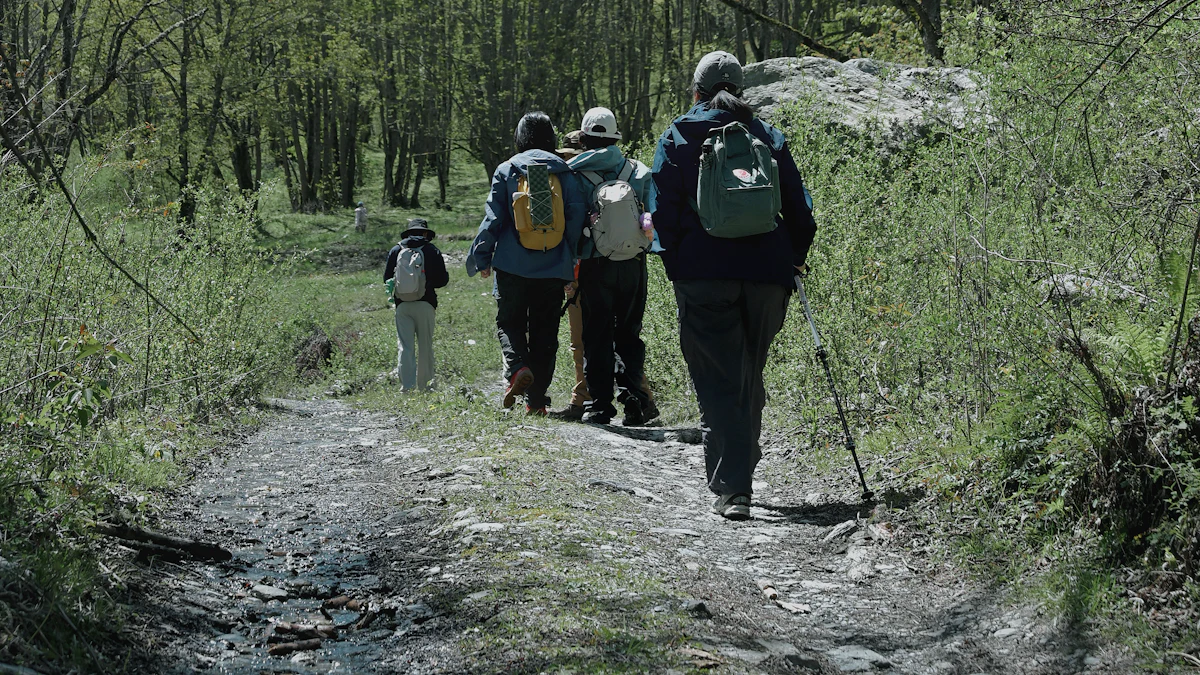
Dehydration can worsen altitude sickness symptoms. Drink plenty of fluids throughout your trek – water, electrolyte drinks, and herbal teas are excellent choices. Aim for consistent hydration, even if you don’t feel particularly thirsty. Consider carrying a hydration bladder in your pack for easy access to water.
Maintain a Balanced Diet
Focus on a diet rich in carbohydrates before and during your hike, as carbohydrates require less oxygen for metabolism compared to fats or proteins. Avoid heavy, fatty meals, and opt for easily digestible snacks.
Avoid Alcohol and Caffeine
Both alcohol and excessive caffeine can contribute to dehydration and may interfere with your body’s acclimatization process. It’s best to limit or avoid them before and during your ascent.
Listen to Your Body
Pace yourself. Hike slowly, take frequent breaks, and don’t push yourself beyond your limits. Remember, it’s not a race. If you start to feel unwell, rest and re-evaluate. It’s always better to turn back than to risk severe altitude sickness.
Consider Medications
For some hikers, prescription medications like Acetazolamide (Diamox) can help prevent or reduce the severity of altitude sickness symptoms. Consult your doctor well in advance of your trip to discuss whether this is a suitable option for you and to understand potential side effects.
Essential Gear for High Altitude Hiking
Proper gear enhances comfort and safety at altitude:
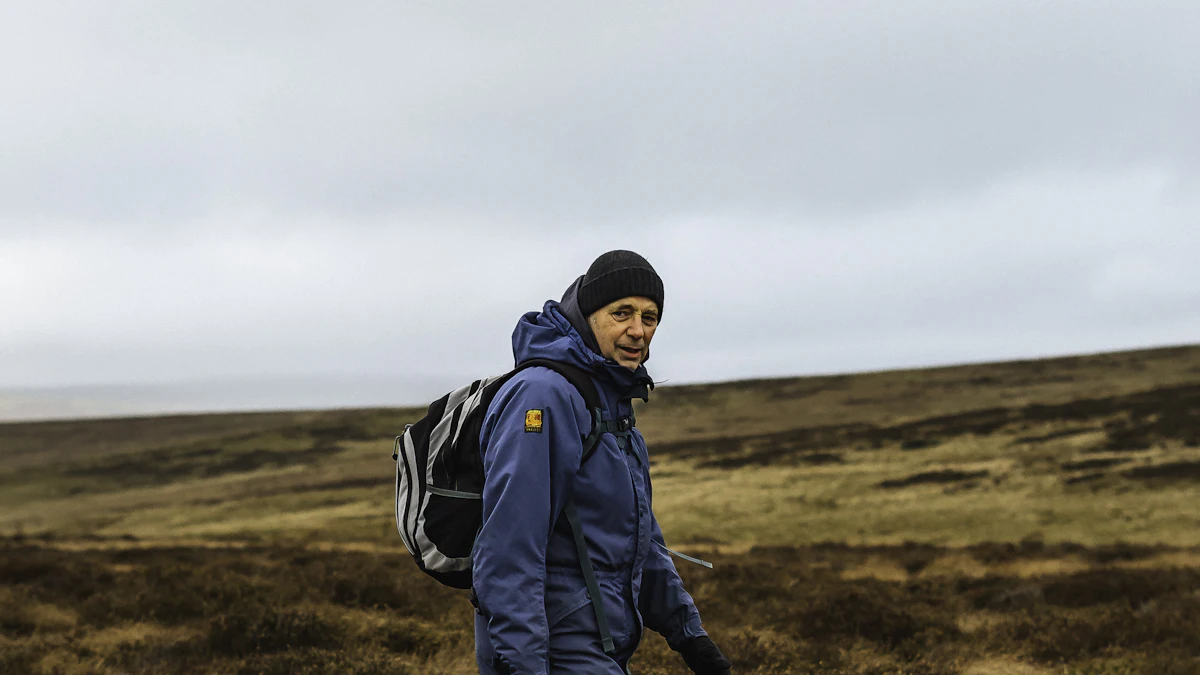
- Layered Clothing: Temperatures can fluctuate dramatically. Bring moisture-wicking base layers, insulating mid-layers, and waterproof outer shells.
- Trekking Poles: These reduce strain on your knees and provide stability on uneven terrain.
- Water Storage: A large capacity water bottle or hydration bladder is essential for staying hydrated.
- Emergency Kit: Pack a basic first-aid kit with pain relievers, blister treatment, and any personal medications. An emergency kit is invaluable for unexpected situations.
- Sun Protection: At high altitudes, UV radiation is more intense. Bring sunglasses, sunscreen, and a wide-brimmed hat.
Preparing Your Body Before You Go
While acclimatization is key, a good level of physical fitness will make your trek more enjoyable and less taxing on your body. Focus on cardiovascular training in the months leading up to your trip. For detailed guidance, check out our article on How to Train for the Chirripó Hike.
What to Do if Symptoms Worsen
If you or someone in your group experiences moderate or severe symptoms of altitude sickness, the most critical action is to descend immediately to a lower elevation. Do not wait for symptoms to improve at the same altitude. Prompt descent can be life-saving. Ensure you are familiar with emergency procedures and safety protocols within Chirripó National Park Safety Tips.
Frequently Asked Questions
What are the symptoms of altitude sickness on Chirripó?
Common symptoms include headache, nausea, dizziness, fatigue, and shortness of breath. More severe signs can include persistent vomiting, loss of coordination, and mental confusion, requiring immediate descent.
How can I best acclimatize before my hike?
The best way to acclimatize is to ascend gradually. Spend a day or two at an intermediate elevation, such as the town of San Gerardo de Rivas, before making your final ascent to the higher reaches of Chirripó. You can compare places to stay near Chirripó for suitable lodging options.
What precautions should I take to prevent altitude sickness?
Key precautions include slow ascent, staying well-hydrated, avoiding alcohol and caffeine, consuming carbohydrate-rich foods, and listening carefully to your body. Consulting a doctor about preventative medications like Acetazolamide is also an option for some.
By taking these essential steps, you can significantly reduce your risk of altitude sickness and ensure your trek to Chirripó Peak is a safe, healthy, and truly memorable experience. For comprehensive travel preparation, consider exploring Get Costa Rica Travel Insurance Quote.
