Responsible Tourism in Chirripó National Park: Leave No Trace
Chirripó National Park, home to Costa Rica’s highest peak, Cerro Chirripó, is a pristine wilderness of unparalleled natural beauty. Its unique páramo ecosystem, diverse wildlife, and challenging trails attract adventurers and nature lovers from around the globe. For an enhanced experience and to ensure safety on these challenging trails, consider booking local Chirripó guides & tours. To ensure this delicate environment remains unspoiled for future generations, practicing responsible tourism in Chirripó National Park is not just recommended, it’s essential. Adhering to the Leave No Trace principles is the cornerstone of sustainable tourism in this magnificent area.
As an Amazon Associate, we earn from qualifying purchases.
What is Leave No Trace and Why is it Important in Chirripó?
Leave No Trace is an internationally recognized program designed to help people enjoy the outdoors responsibly. It provides a framework of seven principles for minimizing human impact on natural spaces. In Chirripó, with its fragile high-altitude ecosystems, these principles are critical. The páramo, for instance, is extremely sensitive to disturbance, and recovery from even minor impacts can take decades. By embracing these guidelines, visitors contribute directly to protecting Chirripó’s biodiversity and maintaining its wild character.

Understanding how to prepare for your journey is part of being a responsible hiker in high-altitude environments.
The Seven Principles of Leave No Trace for Chirripó National Park
1. Plan Ahead and Prepare
Thorough planning is crucial for a safe and low-impact trip. Get a Costa Rica travel insurance quote to cover unexpected events. Research trail conditions, weather forecasts, and park regulations. Ensure you have the necessary permits and reservations well in advance. Pack appropriate gear, food, and clothing to minimize the need for improvisation that might lead to environmental damage. Always carry a map and compass or GPS and know how to use them. Share your itinerary with someone reliable.
2. Travel and Camp on Durable Surfaces
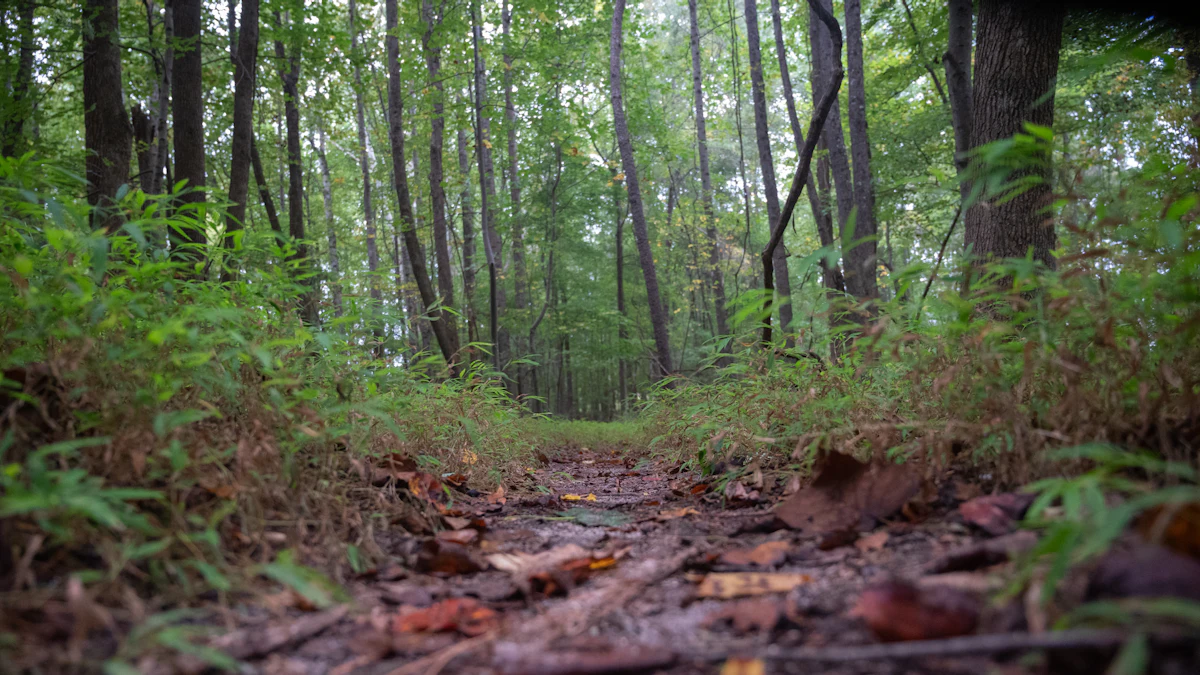
Stick to marked trails at all times, even if they are muddy or challenging. Going off-trail can damage vegetation, compact soil, and erode the landscape, especially in sensitive areas like the páramo. Camping is only allowed in designated areas within the park. Use existing campsites and avoid creating new ones. When taking breaks, choose durable spots like rocks or bare ground.
3. Dispose of Waste Properly
This principle is perhaps the most visible aspect of Leave No Trace. “Pack it in, pack it out” applies to everything you bring into the park. All trash, including food scraps, wrappers, and hygiene products, must be carried out with you. Human waste should be buried in a cathole 6-8 inches deep and at least 200 feet from water sources, trails, and campsites, or packed out if required by park regulations (check with park rangers). Use biodegradable soap sparingly and away from water sources when washing. Consider bringing items like a reusable water bottle and small trash bags for your journey.
4. Leave What You Find
Allow others to discover the beauty of Chirripó just as you did. Do not disturb cultural artifacts, historical structures, or natural objects. Leave rocks, plants, and other natural features exactly where you found them. Taking souvenirs, no matter how small, disrupts the natural ecosystem and detracts from the experience of others.
5. Minimize Campfire Impacts
Open fires are generally not permitted within Chirripó National Park due to the high risk of wildfires and the scarcity of firewood. Always check current park regulations with rangers. If cooking is allowed, use a lightweight, portable stove instead of building a fire. This not only minimizes impact but is also more efficient and safer.
6. Respect Wildlife
Observe wildlife from a distance and never approach, feed, or touch animals. Discover Costa Rica Wildlife Apps to help with identification from a safe distance. Feeding can alter natural behaviors, lead to dependency, and expose animals to human diseases. Store food securely to prevent attracting animals. Keep pets at home, as they can disturb wildlife and introduce non-native species.
7. Be Considerate of Other Visitors
Share the trails and show courtesy to other hikers. Yield to uphill traffic on trails. Keep noise levels down to preserve the tranquility of the wilderness and allow others to enjoy the natural sounds. Respect private property and minimize your impact on local communities you pass through.
Protecting the Unique Páramo Ecosystem
The páramo ecosystem of Chirripó is a global treasure. Its high-altitude grasslands, dwarf forests, and glacial lakes are home to unique plant and animal species found nowhere else. The soil is thin, and vegetation grows slowly, making it highly vulnerable to erosion and compaction from foot traffic. Your commitment to Leave No Trace is especially vital in these areas to prevent irreversible damage.
Conclusion
Practicing responsible tourism in Chirripó National Park ensures that this extraordinary natural wonder remains a pristine haven for both wildlife and future generations of adventurers. By following the Leave No Trace principles, every visitor can play a vital role in protecting Chirripó’s delicate ecosystems. Your journey to the Roof of Costa Rica will be all the more rewarding knowing you’ve contributed to its preservation.
FAQ
What does “Leave No Trace” mean in the context of Chirripó?
“Leave No Trace” in Chirripó means following a set of seven ethical principles to minimize your environmental and social impact while visiting the park. This includes planning ahead, staying on trails, properly disposing of waste, leaving natural items undisturbed, avoiding campfires, respecting wildlife, and being considerate of other visitors, all tailored to protect the park’s sensitive high-altitude ecosystem.
How can I properly dispose of waste while hiking in Chirripó?
The primary rule for waste disposal in Chirripó is “Pack it in, pack it out.” This means all trash, including food scraps, wrappers, and hygiene products, must be carried out of the park with you. Human waste should be buried in a cathole 6-8 inches deep and 200 feet away from water sources, trails, and campsites, or packed out if park regulations require it.
Are campfires allowed in Chirripó National Park?
Generally, open campfires are not permitted in Chirripó National Park due to the high risk of wildfires and the scarcity of natural fuel sources. Visitors should always check with park rangers for current regulations. It is recommended to use a lightweight, portable cooking stove for meal preparation instead.
