Discover the Feathered Wonders of Chirripó
Chirripó National Park, renowned for its majestic peaks and challenging trails, offers an equally awe-inspiring experience for birdwatchers. Nestled in the heart of Costa Rica, this high-altitude region boasts an incredible diversity of avian life, from vibrant hummingbirds to the elusive Resplendent Quetzal. If you’re looking to spot some of Central America’s most sought-after species, Chirripó and its surrounding areas are prime territory for an unforgettable birding adventure.
As an Amazon Associate, we earn from qualifying purchases.
Why Chirripó is a Birder’s Paradise
The unique geography of the Chirripó region, with its dramatic elevation changes ranging from lowland tropical forests to high-altitude páramo, creates a mosaic of microclimates and habitats. This ecological richness supports an extraordinary array of bird species, many of which are endemic to the Talamanca mountain range or prefer higher elevations. Whether you’re a seasoned birder or a curious nature enthusiast, the diverse landscapes promise exciting encounters with both common and rare birds.
Top Birdwatching Hotspots in the Chirripó Region
San Gerardo de Rivas and Surrounding Trails
The charming village of San Gerardo de Rivas, often the starting point for Chirripó trekkers, is a birding hotspot in itself. The lower-elevation forests and riverbanks around the village teem with life. Here, you can expect to see species like the Collared Redstart, Torrent Tyrannulet, various Tanagers, and perhaps even the Fasciated Tiger-Heron along the Río Chirripó Pacífico. Early mornings are particularly active, with birds flitting through the trees right outside your lodge. Explore the local trails and listen for their calls. For more on what to do in the area, check out our guide to San Gerardo de Rivas attractions.
Cloud Forest Trails (e.g., Sendero Los Crestones access)
As you ascend into the cloud forest zone, the air cools, and a new suite of birds emerges. This misty, moss-laden environment is the quintessential habitat for the dazzling Resplendent Quetzal, particularly during nesting season (roughly February to July). Other cloud forest specialties include Emerald Toucanets, several species of trogons, raptors like the Barred Hawk, and numerous dazzling hummingbirds. The trails leading towards the national park entrance, and those slightly above San Gerardo, offer excellent opportunities to spot these high-altitude beauties. Don’t forget to pack appropriate gear for the cooler, often damp conditions.
Páramo Zone (Higher elevations of Chirripó National Park)
For the truly adventurous birder reaching the higher reaches of Chirripó National Park, the páramo ecosystem presents a unique challenge and reward. This treeless, alpine grassland is home to hardy species adapted to harsh conditions. While fewer in number, the birds here are distinctive, including the Volcano Junco, Slaty Flowerpiercer, and Timberline Wren. Spotting these high-altitude specialists amidst the dramatic landscapes is a truly special experience. Make sure you are prepared for the demanding trek and consult park information before heading out.
Local Gardens and Fincas
Many local fincas and guesthouses in the San Gerardo area maintain beautiful gardens that attract a surprising number of bird species. If you want to Compare Places to Stay Near Chirripó, you’ll find options with hummingbird feeders, offering close-up views of fiery-throated, magnificent, and purple-throated mountain-gems, among others. Observing birds from a comfortable porch with a cup of local coffee can be a delightful and productive way to spend an afternoon.
Must-See Bird Species in Chirripó
The Iconic Resplendent Quetzal
Often considered one of the most beautiful birds in the world, the Resplendent Quetzal is a top target for many visitors. With its iridescent green plumage, crimson breast, and the male’s flowing tail feathers, it’s a breathtaking sight. While elusive, your best chances are in the cloud forests above San Gerardo, especially during the early morning hours.
Hummingbirds Galore
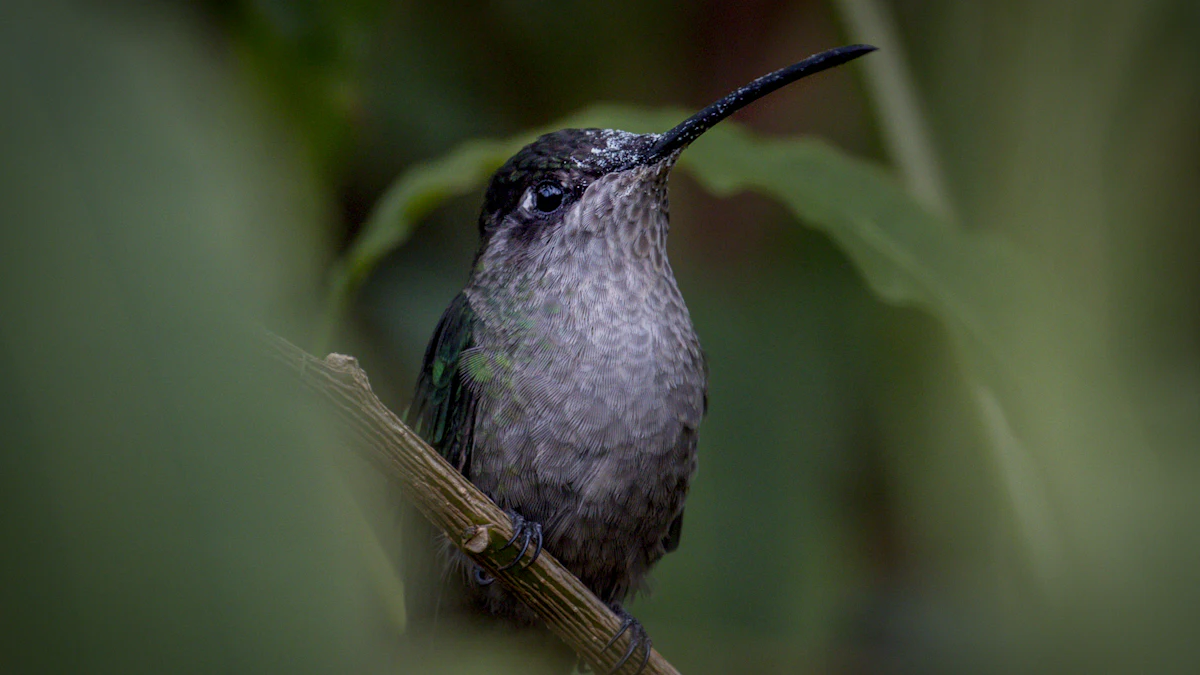
Chirripó is a hummingbird haven. Keep an eye out for a dazzling array of species, including the Fiery-throated Hummingbird, Magnificent Hummingbird, Purple-throated Mountain-gem, Talamanca Hummingbird, and Volcano Hummingbird, often zipping among the flowers.
Tanagers, Toucanets, and More
The forests are alive with colorful tanagers such as the Flame-colored Tanager and Silver-throated Tanager. You might also spot the Emerald Toucanet, various woodcreepers, and the lively Collared Redstart. For more on the diverse animal life here, see our article on common wildlife encounters.
High-Altitude Specialists
In the páramo, look for the Volcano Junco, often foraging on the ground, and the Slaty Flowerpiercer, known for its unique bill adapted for piercing flower bases to access nectar.
Essential Tips for Birdwatching in Chirripó
- Best Time to Visit: The dry season (December to April) generally offers clearer skies and easier hiking, though birds are present year-round. Quetzal nesting season (February-July) can be particularly rewarding.
- What to Bring: High-quality binoculars are essential for spotting and identifying birds. A good field guide for Costa Rican birds will also be invaluable, and you can also Discover Costa Rica Wildlife Apps for identification. Consider investing in binoculars perfect for Costa Rica before your trip.
- Hire a Local Guide: Book Local Chirripó Guides & Tours who possess an intimate knowledge of the area and its birds. They can significantly increase your chances of spotting specific species and provide valuable insights into their behavior and habitat.
- Patience and Respect: Birdwatching requires patience. Move slowly and quietly, and always maintain a respectful distance from wildlife.
- Early Mornings: Birds are most active during the early morning hours, typically from dawn until mid-morning, making this the best time for sightings.
Embark on Your Chirripó Birding Adventure
Chirripó National Park and its surrounding areas offer a truly exceptional birdwatching experience, blending the thrill of discovery with the tranquility of nature. From the lush cloud forests to the dramatic páramo, every elevation promises new feathered friends to observe. Pack your binoculars, prepare for an adventure, and immerse yourself in the vibrant avian world of this incredible Costa Rican destination.
