Packing Light for a Multi-Day Hike to Chirripó Peak
Embarking on the multi-day hike to Chirripó Peak is an unforgettable adventure, offering breathtaking vistas and a profound connection with Costa Rica’s highest point. However, the difference between an arduous trek and an enjoyable journey often comes down to one crucial factor: your pack weight. Minimizing the load you carry is perhaps the most essential tip for minimizing weight on your Chirripó trek, ensuring a more comfortable and sustainable experience. To streamline your travel logistics, you can arrange Chirripó shuttle transfers.
Over-packing is a common mistake that can lead to exhaustion, discomfort, and even injury on the challenging trails of Chirripó National Park. With elevations reaching 3,820 meters (12,533 feet), every extra pound makes a significant difference. This guide will provide expert advice on reducing pack weight for high-altitude trekking, helping you pack smart and light for your adventure.
As an Amazon Associate, we earn from qualifying purchases.
The Philosophy of Lightweight Hiking
Adopting a minimalist mindset is the first step toward lightweight hiking. Before you even start packing, consider the “why” behind each item. Does it serve multiple purposes? Is there a lighter alternative? Can you do without it entirely? Every item you choose to carry should justify its place in your backpack, contributing to your safety, comfort, or enjoyment without unnecessary bulk or weight.
Prioritizing the “Big Three”: Backpack, Shelter, and Sleep System
These three categories typically represent the heaviest items in a backpack. Investing in lightweight versions of these can yield the most significant weight savings:
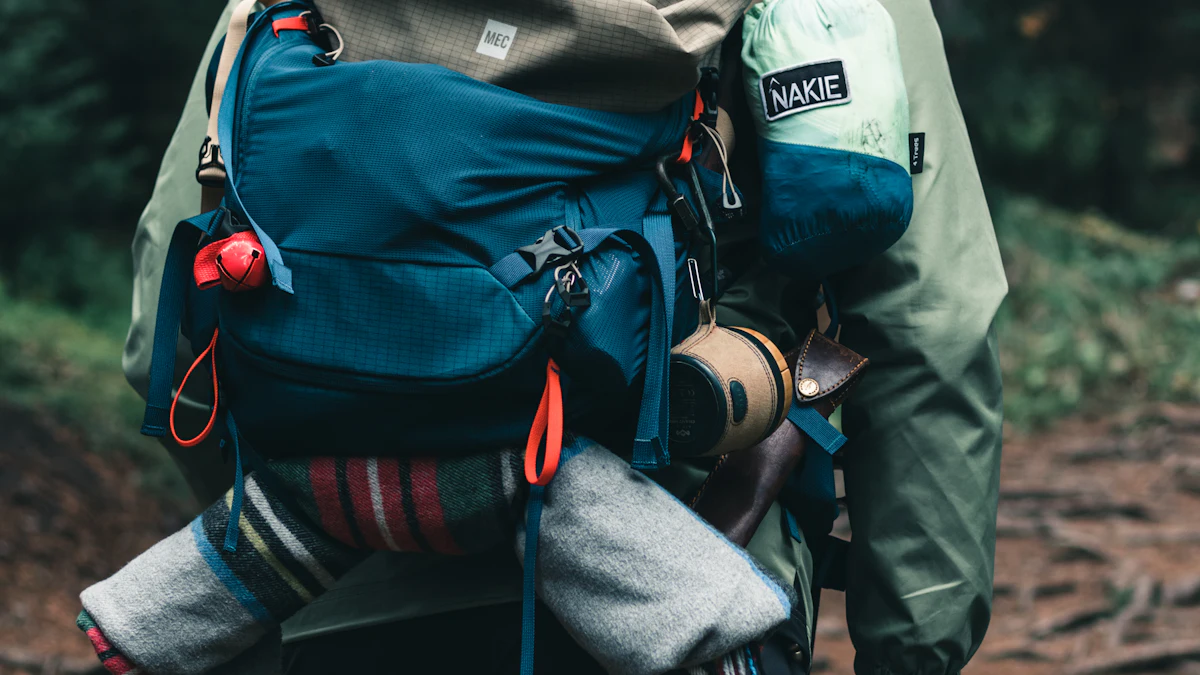
- Backpack: Choose a pack that is appropriately sized for a multi-day hike (around 40-60 liters) but focuses on lightweight materials and a streamlined design. Look for packs without excessive pockets or unnecessary features. A good trekking backpack designed for efficiency can make a huge difference.
- Sleep System: For Chirripó, a lightweight sleeping bag rated for temperatures just above freezing (around 0-5°C or 30-40°F) is usually sufficient, especially if you plan to stay in the Refugio Crestones. Combine this with an ultralight sleeping pad for insulation and comfort.
- Shelter (if applicable): While most hikers utilize the Refugio Crestones, if you plan to camp, opt for an ultralight tent designed for backpacking. Every gram counts when you’re carrying it up the mountain.
Smart Clothing Choices: Layering and Materials
The key to minimizing clothing weight is a versatile layering system. Instead of bulky items, pack several thin layers that can be added or removed as temperatures change:
- Base Layers: Moisture-wicking synthetic or merino wool tops and bottoms keep you dry and regulate body temperature.
- Mid-Layers: A fleece jacket or lightweight puffy jacket provides warmth.
- Outer Layer: A waterproof and windproof jacket and pants are crucial for protection against rain and cold at higher altitudes.
- Extra Pair: One spare set of hiking clothes is often enough for a multi-day trip. Remember, quick-drying fabrics are your friend.
Food and Water Strategies
Food and water can quickly add significant weight. Plan wisely:
- Dehydrated Meals: Opt for lightweight, high-calorie, dehydrated meals that only require hot water.
- Snacks: Pack energy-dense snacks like nuts, dried fruit, energy bars, and chocolate.
- Water: While you’ll have access to potable water at the refugio, carrying a water filter or purification tablets can allow you to carry less water initially and refill from natural sources along the trail. Always know where the next water source is.
Essential Gear, Minimized
When it comes to other essentials, focus on multi-functional and compact items:
- Navigation: A compact GPS device or a reliable navigation app on your phone (with a power bank) is sufficient. Carry a physical map and compass as backup. For more details on what to bring, check out our comprehensive guide on what to pack for Chirripo.
- First-Aid Kit: Create a personalized kit with only the essentials: pain relievers, blister treatment, antiseptic wipes, bandages, and any personal medications. For comprehensive safety, it’s also wise to get a Costa Rica travel insurance quote.
- Headlamp: An ultralight headlamp with fresh batteries (and spares) is indispensable. Many camping essentials now come in lightweight versions.
- Toiletries: Decant liquids into small travel containers. A travel-sized toothbrush and a small amount of toothpaste are all you need.
Leveraging Local Resources and Training
A lighter pack also makes the physical demands of the trail more manageable. Consider focusing on how to train for Chirripo to build stamina and strength, which will make even a light pack feel easier. Additionally, understanding the Chirripo National Park trail difficulty can help you mentally prepare and pack appropriately for the specific challenges. Utilize the porters available at the trailhead if budget allows, to carry heavier items like extra food or sleeping bags to the refugio, further reducing your personal load. For a fully supported and enriching experience, consider to book local Chirripó guides and tours.
Common Packing Mistakes to Avoid
- Bringing too many “just in case” items: Every item should have a clear purpose.
- Overpacking clothing: You can re-wear clothes, especially quick-drying layers.
- Heavy footwear: While sturdy, ensure your boots aren’t excessively heavy.
- Unnecessary gadgets: Leave non-essential electronics at home.
Frequently Asked Questions
What are the essential items for a multi-day Chirripó hike?
Essential items include a lightweight backpack, appropriate layering clothing (base, mid, outer), a sleeping bag and pad (if not renting at the refugio), a headlamp, a basic first-aid kit, enough high-energy food, a water purification method, navigation tools, and sturdy hiking boots.
How can I reduce the weight of my backpack for Chirripó?
To reduce pack weight, prioritize lightweight versions of your “Big Three” (backpack, sleep system, shelter if needed), adopt a layering system for clothing instead of bulky items, choose dehydrated or calorie-dense foods, decant toiletries, and leave behind any non-essential “just in case” items.
What are common mistakes when packing for Chirripó?
Common mistakes include overpacking too many clothes, bringing unnecessary gadgets or luxury items, not considering the weight of food and water, using heavy gear when lighter alternatives exist, and not having a proper layering system for varying temperatures.
Conclusion
Packing light for your multi-day hike to Chirripó Peak isn’t just about fitting everything into your backpack; it’s about enhancing your entire experience. By making deliberate choices about every item, focusing on versatility, and embracing a minimalist approach, you’ll ensure a more comfortable, enjoyable, and safer journey to the roof of Costa Rica. Prepare smart, hike light, and savor every moment of this incredible adventure.
