Ensuring a Safe Adventure on Chirripó: Your Essential Safety Guide
Hiking Cerro Chirripó, Costa Rica’s highest peak, is an unparalleled adventure, offering breathtaking vistas and a profound connection with nature. However, the mountain also presents significant challenges, from its demanding elevation to its unpredictable weather and remote wilderness. To ensure your trek is both memorable and safe, thorough preparation is paramount. This guide provides essential Chirripó hiking safety tips, covering everything from altitude acclimatization to emergency protocols.
As an Amazon Associate, we may earn from qualifying purchases made through our links.
Understanding and Preventing Altitude Sickness on Chirripó
Cerro Chirripó reaches an elevation of 3,820 meters (12,533 feet), placing hikers at a considerable risk of Chirripó altitude sickness. Understanding its symptoms and prevention strategies is crucial for a safe ascent.
Acclimatization and Pacing
- Ascend Gradually: If possible, spend a day or two at a moderate elevation (e.g., San Gerardo de Rivas) before beginning your hike to allow your body to adjust.
- Slow and Steady: Hike at a comfortable pace. Avoid rushing, even if you feel strong. Listen to your body and take frequent breaks.
- Hydration and Nutrition: Drink plenty of water or electrolyte-rich fluids. Dehydration can exacerbate altitude sickness symptoms. Eat a balanced diet with carbohydrates for energy. Avoid alcohol and caffeine before and during your ascent.
- Recognize Symptoms: Be aware of the signs of Acute Mountain Sickness (AMS), which can include headache, nausea, dizziness, fatigue, and difficulty sleeping. More severe forms include High Altitude Cerebral Edema (HACE) and High Altitude Pulmonary Edema (HAPE), which require immediate descent.
- Descend if Symptoms Worsen: If you or a companion experience altitude sickness symptoms that are getting worse, the safest course of action is to descend to a lower elevation immediately. Do not continue ascending.
Weather Preparedness for Chirripó’s Unpredictable Conditions
Chirripó’s weather can change dramatically and rapidly, often experiencing all four seasons in a single day. Being prepared for extreme variations is a key aspect of hiking safety Costa Rica.
Packing the Right Gear
- Layered Clothing: Pack multiple layers that can be added or removed as temperatures fluctuate. This includes moisture-wicking base layers, insulating mid-layers (fleece or down), and a waterproof/windproof outer shell.
- Rain Gear: Even during the dry season, rain and fog are possible. A good quality waterproof jacket and pants are essential.
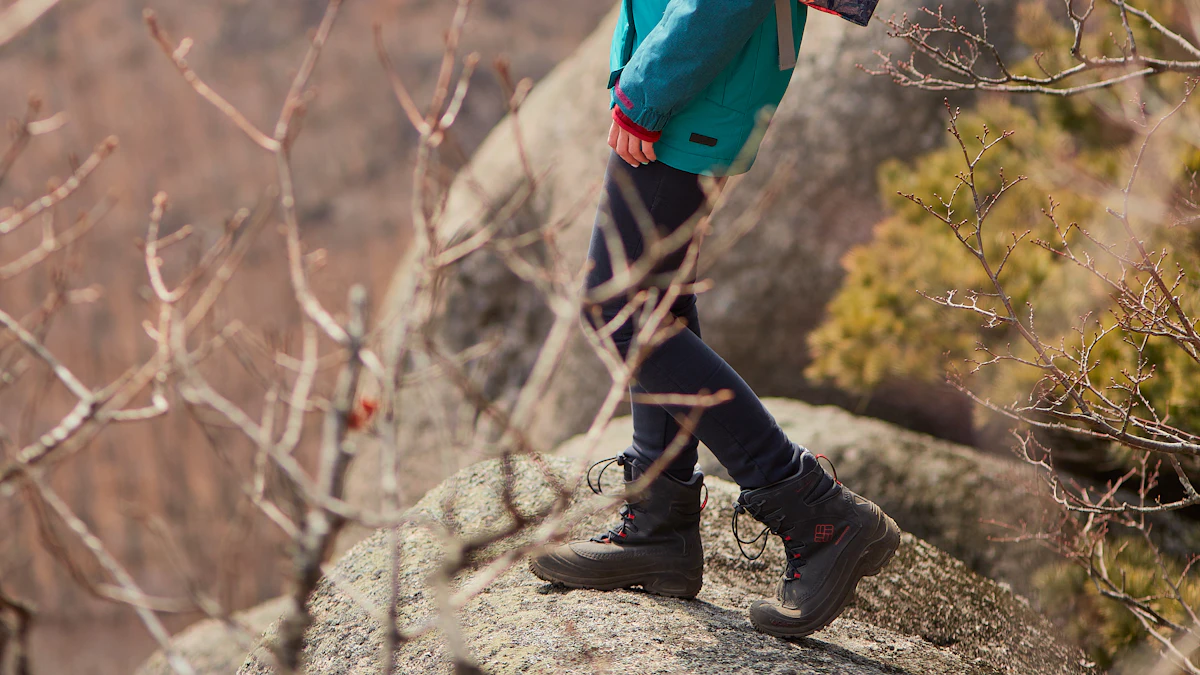
- Footwear: Sturdy, waterproof hiking boots with good ankle support are a must.
- Check the Forecast: While mountain forecasts can be unreliable, always check the general outlook before your trip. For a comprehensive list of what to bring, refer to our guide on What to Pack for Your Chirripó Hike.
- Consider the Best Time: Planning your trip during the dry season (December to April) generally offers more stable weather, though rain is still possible. Learn more about the Best Time to Visit Chirripó National Park.

Emergency Protocols and Essential Gear
Even with careful planning, emergencies can happen. Being prepared with the right equipment and knowing what to do can make all the difference in a mountain rescue Chirripó situation.
Carry Essential Safety Equipment
- First Aid Kit: A comprehensive kit should include bandages, antiseptic wipes, pain relievers, blister treatment, any personal medications, and an emergency blanket. Consider bringing a compact first aid kit.
- Navigation Tools: While trails are generally marked, carrying a map, compass, and a reliable GPS device (with extra batteries or a power bank) is highly recommended. Download offline maps to your phone as well.
- Communication: Cell service is unreliable. While a satellite messenger or personal locator beacon (PLB) is recommended for remote emergencies, consider getting a Costa Rica eSIM for data to stay connected where service is available, which can be vital for communication and emergencies. An emergency whistle can also be useful for attracting attention.
- Headlamp or Flashlight: With extra batteries, even if you plan to hike only during daylight hours. Unexpected delays can leave you hiking in the dark.
- Plenty of Water and Food: Carry more than you think you’ll need, especially high-energy snacks.
Communicate Your Plans
- Inform Someone: Always tell a responsible person (e.g., park ranger, hotel staff, family/friends) your exact hiking itinerary, including your planned route and expected return time.
- Register with Park Officials: Ensure you are registered with the Chirripó National Park office and follow all park regulations.
What to Do in an Emergency
- Stay Calm: In an emergency, maintaining composure is critical for clear thinking.
- Assess the Situation: Evaluate the nature of the emergency and the condition of anyone involved.
- Signal for Help: Use your whistle (three short blasts, repeated), mirror, or satellite device.
- Stay Put: If you are lost or injured and cannot proceed safely, stay in one place to conserve energy and make it easier for rescuers to find you.
- Prepare for Rescue: Keep warm, stay hydrated, and try to make yourself visible.
- Consider Travel Insurance: For any international adventure, robust travel insurance that covers emergency medical treatment and evacuation is highly recommended. Research options for Costa Rica travel insurance.
General Chirripó Hiking Safety Practices
- Hike with a Buddy: Never hike alone on Chirripó. A companion can provide assistance and support in case of an emergency. Consider booking a local Chirripó guide for added safety and expertise.
- Stay on Marked Trails: Deviating from designated paths can lead to getting lost, encountering dangerous terrain, or damaging the fragile ecosystem. Our Essential Guide to Hiking Cerro Chirripó emphasizes staying on the main trail.
- Respect Wildlife and Nature: Observe wildlife from a distance and do not feed animals. Pack out everything you pack in, leaving no trace.
- Physical Fitness: Chirripó is a strenuous hike. Ensure you are in good physical condition and have trained adequately before attempting the summit.
Conclusion
Hiking Chirripó is an incredible achievement, but it demands respect and thorough preparation. By understanding the risks associated with altitude and weather, packing appropriate gear, and being ready for emergencies, you significantly increase your chances of a safe and unforgettable journey to Costa Rica’s highest point. Embrace the challenge, but always prioritize safety first.
