Best Time to Visit Chirripó National Park: Weather, Seasons, and Park Conditions
Planning a trip to Chirripó National Park, home to Costa Rica’s highest peak, Cerro Chirripó, is an adventure in itself. But understanding the best time to visit is crucial for an enjoyable and safe experience. The park’s high-altitude environment means weather can be unpredictable, making seasonal variations a significant factor in your trekking success.
Understanding Chirripó’s Climate: An Overview
Chirripó National Park is located in a mountainous region, meaning its climate differs significantly from Costa Rica’s coastal areas. The park experiences two main seasons: a dry season and a rainy season, both of which bring distinct weather patterns and conditions to the trails.
Elevation and Microclimates
The vast elevation changes within the park, from its base to the summit of Cerro Chirripó at 3,820 meters (12,533 feet), create diverse microclimates. You can experience everything from cloud forest humidity to alpine-like conditions, often within a single day. This makes proper preparation and timing even more critical.
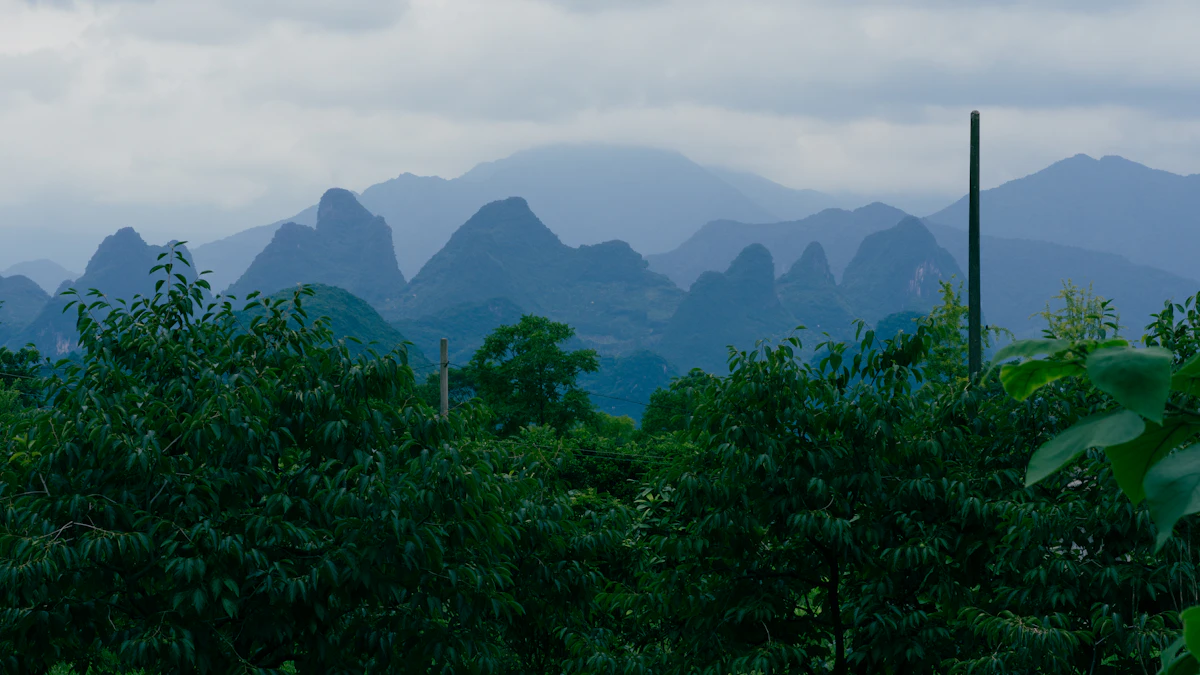
The Dry Season: December to April (The Best Time to Visit)
Generally considered the best time to visit Chirripó, the dry season offers the most favorable conditions for hiking. It’s when most international travelers, hikers, and backpackers choose to tackle the peak. To enhance your trekking experience, consider booking Local Chirripó Guides & Tours.
Weather Conditions
- Rainfall: Minimal to no rain, especially from January to March.
- Visibility: Generally clear skies, offering spectacular panoramic views from the summit.
- Temperatures: Day temperatures are pleasant, ranging from 15-25°C (59-77°F) at lower elevations. However, nights and early mornings at higher altitudes, particularly near the base camp (Crestones Base Lodge) and the summit, can drop significantly, often below freezing point (0°C / 32°F).
- Wind: Can be strong at higher elevations.
Hiking Experience
During the dry season, trails are less muddy and slippery, making the strenuous climb more manageable and safer. The clear weather provides excellent opportunities for photography and enjoying the vast landscapes. The challenge remains the altitude and physical exertion, not primarily the weather elements.
Crowd Levels
As the most popular time to visit, the dry season naturally sees higher demand for permits and more hikers on the trails. It’s essential to book your permits well in advance if you plan to visit during these months.
The Rainy Season: May to November (Still Possible, But Different)
While often overlooked, the rainy season can offer a unique and quieter experience for well-prepared hikers. It’s generally characterized by more challenging trail conditions but also lush greenery and fewer crowds.
Weather Conditions
- Rainfall: Expect daily afternoon showers, which can range from light drizzles to heavy downpours. Mornings are often clear, but clouds and mist tend to roll in by midday.
- Visibility: Often reduced due to clouds and mist, especially at higher elevations. Panoramic views may be obscured.
- Temperatures: Generally milder during the day, but with the added moisture, it can feel colder, especially when wet. Night temperatures at altitude can still drop significantly.
- Wind: Can still be strong, especially with passing storms.
Hiking Experience
Trails can become very muddy, slippery, and challenging to navigate. River crossings might be more difficult, and the risk of hypothermia increases if not properly equipped. However, the park’s flora is at its most vibrant, and the misty cloud forest offers a mystical beauty. If you prefer solitude, this season might appeal to you.
Considerations for Rain
If you plan to visit during the rainy season, robust waterproof gear, sturdy hiking boots with good grip, and a flexible itinerary are non-negotiable. Always be prepared for rapid weather changes and pack accordingly.
Transition Months: April/May and November/December
These months act as bridges between the dry and rainy seasons and can be somewhat unpredictable.
- April/May: The tail end of the dry season, with increasing chances of afternoon showers. Can offer a mix of good weather and early rainy season conditions.
- November/December: The beginning of the dry season, with rainfall gradually decreasing. Early December can still experience some lingering wetness from the rainy season.
These months can be good for those seeking a balance, potentially fewer crowds than peak dry season but with an improving weather outlook.
What to Expect Year-Round
Regardless of the season, a few elements remain constant when hiking Chirripó:
- Temperature Swings: Be prepared for significant temperature variations between day and night, and between lower and higher elevations. Layering is key.
- Altitude Sickness: The high altitude is a challenge year-round. Acclimatization and a slow ascent are important. Consider getting Costa Rica Travel Insurance for added peace of mind.
- Packing Essentials: No matter when you go, proper gear is non-negotiable. For a comprehensive list of what you’ll need, check out our guide on what to pack for a Chirripó hike.
Booking and Permits: Plan Ahead
No matter which season you choose, securing your permits and lodging at Crestones Base Lodge is a critical first step. Due to the park’s popularity and limited capacity, permits often sell out months in advance, especially during the dry season. You can also Compare Places to Stay Near Chirripó for your trip. Learn more about the process and get essential tips in our guide to Chirripó National Park permits and booking.
Key Takeaways for Your Visit
Choosing the best time to visit Chirripó depends on your preferences for weather, trail conditions, and crowd levels. The dry season (December-April) offers the most comfortable and scenic hiking, while the rainy season (May-November) provides a more challenging, yet uniquely beautiful and less crowded experience. For a complete overview of planning your adventure, consult our essential guide to hiking Cerro Chirripó.
Frequently Asked Questions
When is the absolute best time to visit Chirripó National Park?
The dry season, from December to April, is generally considered the best time to visit due to minimal rainfall, clear skies, and safer trail conditions. January to March typically offers the most stable weather.
What is the weather like at Chirripó during the dry season?
During the dry season, expect pleasant daytime temperatures (15-25°C or 59-77°F) at lower elevations, with clear skies and excellent visibility. Nights and early mornings at higher altitudes can drop below freezing (0°C or 32°F).
Can I hike Chirripó during the rainy season?
Yes, it is possible to hike Chirripó during the rainy season (May to November), but be prepared for muddy and slippery trails, daily afternoon showers, and reduced visibility. It offers a more challenging, but also less crowded and very lush experience.
Do I need to book permits in advance for Chirripó?
Absolutely. Permits for Chirripó National Park and lodging at Crestones Base Lodge sell out quickly, especially during the dry season. It’s highly recommended to book several months in advance.
What should I pack for a Chirripó hike regardless of the season?
Even in the dry season, you should pack layers for varying temperatures, waterproof and windproof outerwear, sturdy hiking boots, a hat, gloves, sunscreen, and plenty of water. Check our detailed packing guide for a complete list.
