Welcome to the ultimate guide for exploring Chirripó National Park, home to Cerro Chirripó, Costa Rica’s highest mountain. This majestic peak offers an unparalleled adventure for hikers, backpackers, and nature enthusiasts Book Local Chirripó Guides & Tours seeking to conquer the roof of Central America. Standing at 3,820 meters (12,533 feet) above sea level, Mount Chirripó promises breathtaking panoramic views, unique high-altitude ecosystems, and a profound sense of accomplishment. Our comprehensive guide covers everything you need to know, from securing your essential Chirripó permits to navigating the challenging Chirripó trails, ensuring you’re fully prepared for this unforgettable journey.
Why Hike Chirripó National Park?
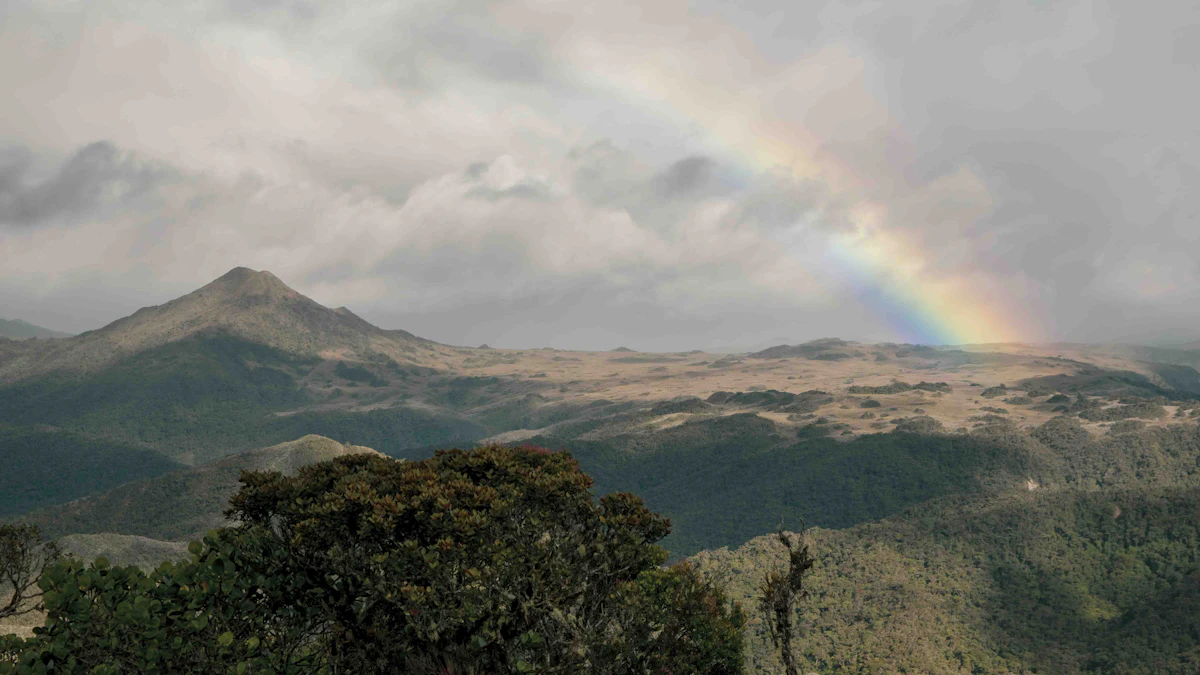
Chirripó National Park is more than just a challenging climb; it’s an immersive experience into one of Costa Rica’s most pristine and biodiverse regions. The journey to Cerro Chirripó takes you through a dramatic transition of ecological zones, from lush cloud forests at lower elevations to the rare páramo grasslands and rocky, almost lunar landscapes near the summit. Beyond the physical challenge, hikers are rewarded with stunning vistas that, on clear days, stretch from the Pacific Ocean to the Caribbean Sea. It’s a chance to witness unique high-altitude wildlife and flora, making it a truly special destination for adventure travelers. Book Costa Rica Adventure Activities
Planning Your Adventure to Chirripó National Park
A successful trek to Costa Rica’s highest peak requires careful planning. From securing your spot to understanding the terrain, preparation is key for your trip planning.
Chirripó Permits and Reservations
Access to Chirripó National Park is strictly controlled to preserve its delicate ecosystem. Obtaining Chirripó permits is mandatory and must be done in advance. Reservations for both park entrance and overnight stays at Crestones Base Camp (Albergue Base Crestones) are highly competitive, especially during peak season. It’s crucial to book several months ahead through the official SINAC website or authorized tour operators. Always confirm your reservation details before traveling.
Best Time to Visit Cerro Chirripó
The dry season, from December to April, is generally considered the best time to visit Chirripó National Park. During these months, you’ll encounter clearer skies, less rain, and more favorable hiking conditions, offering the best chance for those iconic panoramic views from Mount Chirripó. The rainy season, from May to November, brings more challenging conditions, including slippery trails, fog, and increased chances of thunderstorms, although the landscape is incredibly lush.
Getting to San Gerardo de Rivas
The primary gateway to Chirripó National Park is the small, charming village of San Gerardo de Rivas, located at the base of the mountain. Most visitors arrive here by bus or private shuttle Arrange Chirripó Shuttle Transfers from San José or San Isidro de El General. It’s highly recommended to spend at least one night in San Gerardo de Rivas before your hike to acclimatize and finalize preparations.
What to Pack for Your Chirripó Hike
Packing appropriately is vital for a safe and comfortable ascent. Your gear list should include:
- Layered clothing (temperatures can vary dramatically)
- Waterproof jacket and pants
- Sturdy hiking boots
- Headlamp or flashlight
- First-aid kit
- Plenty of water and snacks
- Sunscreen and hat
- Trekking poles (highly recommended for the descent)
- Sleeping bag (if staying at Crestones, though rentals are available)
- Personal toiletries
For more detailed advice, check out our resources on hiking and trekking essentials.
Conquering the Chirripó Trails
The main trek to Cerro Chirripó is a multi-day hiking and trekking experience that typically involves an overnight stay at Crestones Base Camp.
The Ascent to Crestones Base Camp
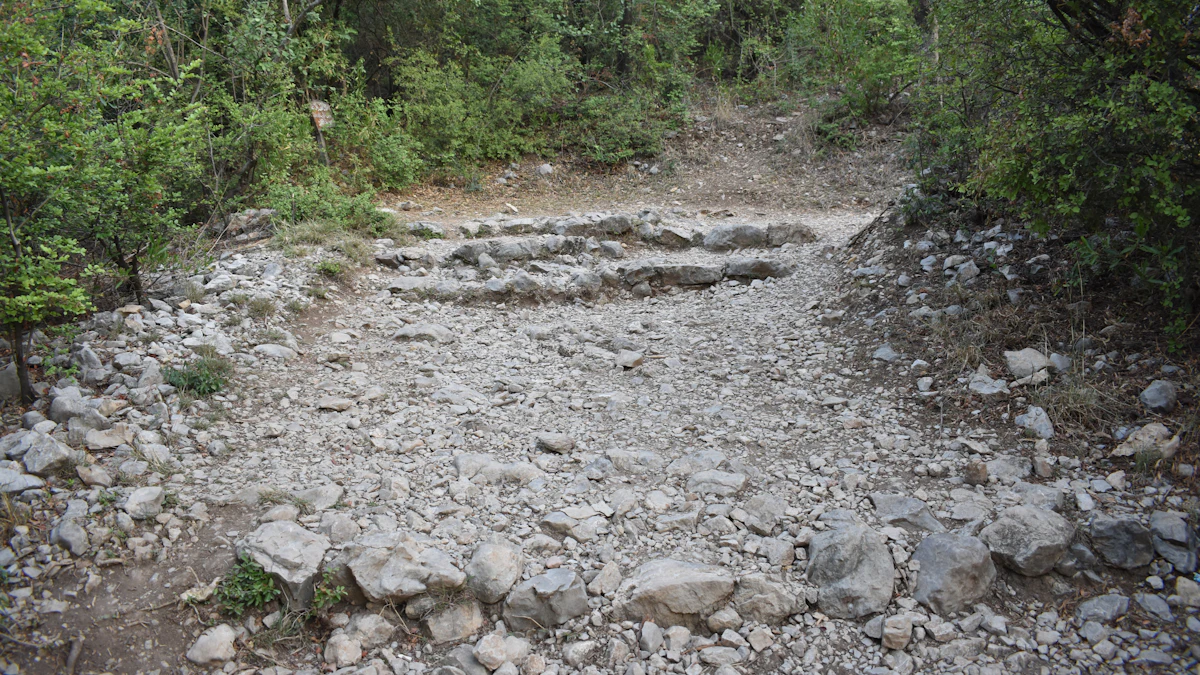
The initial segment of the Chirripó trails begins in San Gerardo de Rivas and covers approximately 14.5 kilometers (9 miles) to Crestones Base Camp. This is a strenuous climb, gaining over 2,000 meters (6,500 feet) in elevation. The trail winds through cloud forest and then into elfin forest, offering challenging gradients and often muddy conditions. Most hikers take between 7-12 hours to reach Crestones, depending on fitness levels and weather.
From Crestones to the Summit of Cerro Chirripó
From Crestones Base Camp, the summit of Cerro Chirripó is approximately 5 kilometers (3 miles) further, a round trip that typically takes 3-5 hours. This final push to Costa Rica’s highest peak involves traversing rocky terrain and some steep sections, often done in the early morning hours to catch the sunrise from the top. The views from the summit are truly spectacular, justifying every challenging step.
Unique Wildlife and Ecosystems
Flora and Fauna of Chirripó
The park’s diverse altitudinal zones support a wide array of plant and animal life. The lower slopes are home to jaguars, pumas, and tapirs, though these are rarely seen. As you ascend, the ecosystem transitions to the high-altitude páramo, characterized by hardy shrubs, grasses, and unique plant species adapted to the harsh conditions. Birdwatchers might spot quetzals in the cloud forest or a variety of high-altitude birds near the summit. Keep an eye out for howler monkeys, white-faced capuchins, and various reptiles and amphibians at lower elevations.
Safety and Regulations in Chirripó National Park
Acclimatization and Altitude Sickness
Due to the significant elevation gain, there is a risk of altitude sickness. It’s advisable to spend a day or two in San Gerardo de Rivas before starting your hike to help your body acclimatize. Hydration is crucial, and if you experience severe symptoms, you must descend.
Park Rules and Environmental Responsibility
Adhere strictly to park rules, including staying on marked Chirripó trails, not littering, and not disturbing wildlife. The “Leave No Trace” principles are paramount to preserving this pristine environment for future generations. All waste must be carried out of the park.
Essential Tips for Your Chirripó Adventure
- Train beforehand: The hike is physically demanding. Incorporate cardio and strength training into your routine.
- Start early: Begin your hike from San Gerardo de Rivas at dawn to allow ample time to reach Crestones before dark.
- Hydrate constantly: Carry enough water and a water filter/purifier if possible, as water sources are limited.
- Hire a porter (optional):: Porters are available in San Gerardo de Rivas to carry heavy bags, making the ascent more manageable.
- Be flexible: Weather in the mountains can change rapidly. Be prepared for all conditions.
Embarking on the journey to Cerro Chirripó is an extraordinary experience that challenges the body and rewards the spirit. With thorough preparation and respect for nature, you too can stand atop Costa Rica’s highest peak and witness a truly unforgettable panorama from the roof of Central America.