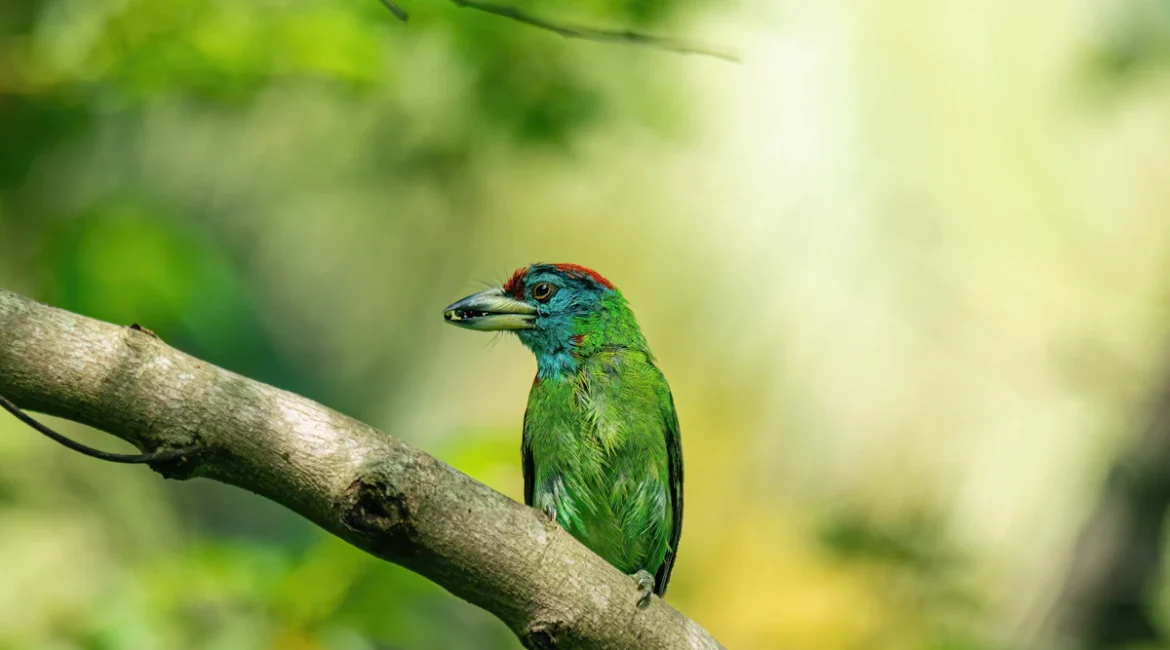
San Gerardo de Rivas, nestled at the base of Costa Rica’s highest peak, Mount Chirripó, is a hidden gem for birdwatching enthusiasts. Its unique cloud forest ecosystems and high-altitude rainforests create a sanctuary for an incredible array of avian life, many of which are endemic or rare in other parts of the world. If you’re planning a trip focused on birdwatching in the Chirripó region, this area promises unforgettable sightings.
As an Amazon Associate, we earn from qualifying purchases.
Why San Gerardo de Rivas is a Birder’s Paradise
The microclimates and altitudinal gradients around San Gerardo de Rivas provide diverse habitats, from lush tropical forests in the valleys to misty cloud forests higher up. This ecological richness supports a vast number of bird species, making it a prime location for those hoping to spot unique and often elusive birds. The relative tranquility of the region, away from larger tourist hubs, also contributes to a more pristine natural environment for wildlife.
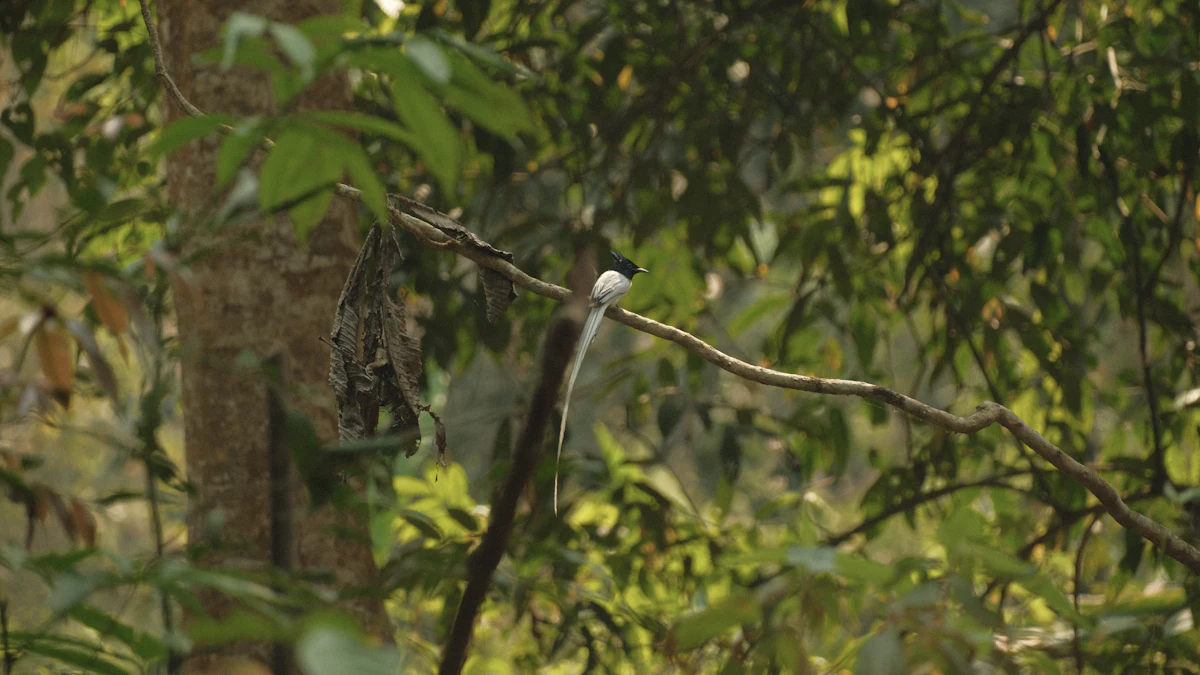
Spotlight on Unique Species
The Resplendent Quetzal
Often considered the jewel of the cloud forest, the Resplendent Quetzal is a top draw for birdwatchers visiting San Gerardo de Rivas. With its iridescent green plumage, crimson breast, and the male’s spectacularly long tail feathers, spotting a quetzal is a truly breathtaking experience. They typically feed on wild avocados and other fruits, and their presence indicates a healthy cloud forest ecosystem. The early morning hours, especially during their nesting season (roughly March to July), are often the best times for a sighting.
Fiery-throated Hummingbird
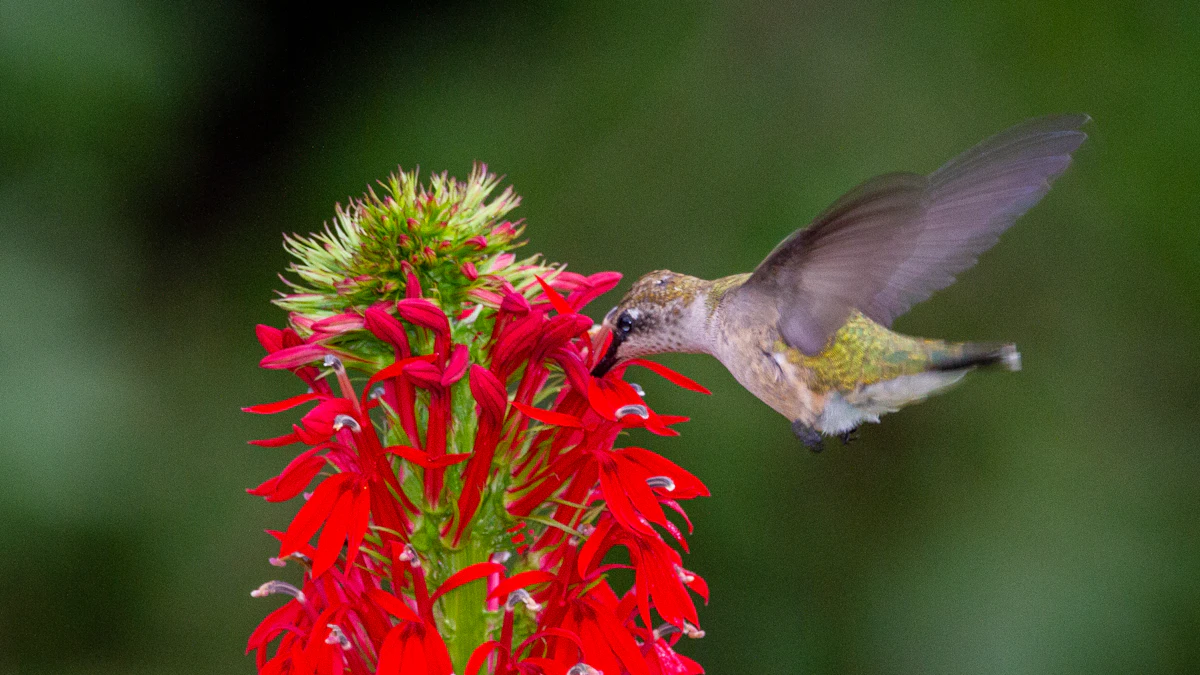
A dazzling spectacle of nature, the Fiery-throated Hummingbird is a high-altitude specialist that frequents the flowering trees and feeders in the San Gerardo de Rivas area. Its vibrant iridescent throat changes from fiery red to brilliant orange and yellow depending on the light, contrasting beautifully with its emerald green body. Keep an eye out for these tiny, energetic birds flitting among the blossoms.
Collared Redstart
Known locally as “Amigo del Hombre” (Friend of Man), the Collared Redstart is a small, energetic warbler that is quite accustomed to human presence. Its striking black, white, and red plumage makes it easy to identify as it flits through the undergrowth or catches insects from low branches. They are often seen near trails and gardens, making them a delightful and common sighting for visitors.
Emerald Toucanet
Smaller and more subtly colored than their larger toucan cousins, the Emerald Toucanet is a charming resident of the cloud forest. Its brilliant green body, blue throat, and distinctive black-and-yellow bill make it a photographic favorite. They are usually found foraging for fruits, insects, and small vertebrates in the mid-canopy, often announced by their distinctive r-r-r-r-eet call.
Other Notable Species
Beyond these superstars, the region boasts many other unique birds. Look out for the Golden-browed Chlorophonia with its striking blue and yellow plumage, the melodic Black-faced Solitaire, or the secretive Silvery-fronted Tapaculo. Each species adds to the rich tapestry of avian life that makes San Gerardo de Rivas a truly special place.
Tips for Successful Birdwatching in Chirripó
- Best Time to Visit: While birds are present year-round, the dry season (December to April) often offers clearer skies and easier access to trails. However, the nesting season for many species, including the Quetzal, extends into the green season (May to July). For more detailed information, consult our guide on the best times to visit Chirripó for wildlife.
- Essential Gear: A good pair of binoculars for birdwatching is indispensable for clear views. Don’t forget a local bird guide for Costa Rica to help with identification, or discover Costa Rica wildlife apps for on-the-go tools. If you’re into wildlife photography, investing in quality nature photography gear, especially a lens with good zoom, will be highly rewarding.
- Hire a Local Guide: Local guides possess invaluable knowledge about bird habitats, calls, and current nesting sites. Their expertise significantly increases your chances of spotting rare species.
- Patience and Respect: Birdwatching requires patience. Move slowly and quietly, and always maintain a respectful distance from wildlife and their habitats.
Beyond the Birds: The Chirripó Experience
While birds may be your primary focus, the natural beauty surrounding San Gerardo de Rivas offers a holistic nature experience. The sounds of the forest, the fresh mountain air, and the lush greenery provide a perfect backdrop for your avian adventure. It’s a place where every turn can reveal a new wonder, making it ideal for anyone passionate about exploring the biodiversity of the Chirripó region. To help plan your stay, you can compare places to stay near Chirripó.
Frequently Asked Questions
What are the best times of year to spot rare birds in San Gerardo de Rivas?
While rare birds can be spotted year-round, the dry season (December to April) generally offers more predictable weather for hiking. However, the nesting season for many sought-after species, such as the Resplendent Quetzal, often runs from March to July, which includes part of the green season. Early mornings are consistently the best time of day for activity.
Are there guided birdwatching tours available in the area?
Yes, San Gerardo de Rivas has several experienced local bird guides who can lead tours. These guides are invaluable as they know the best trails, bird calls, and current hot spots for rare sightings. Inquire with local lodges or tour operators upon arrival for recommendations. You can also book local Chirripó guides & tours to enhance your experience.
What specialized equipment is recommended for birdwatching around Chirripó?
For a rewarding experience, we recommend a good pair of binoculars, a Costa Rica bird field guide, a camera with a zoom lens if you plan to take photos, and comfortable hiking shoes. Layered clothing is also advisable due to varying temperatures in the cloud forest.
