Chirripó National Park, home to Costa Rica’s highest peak, is not just a destination for hikers; it’s a world-renowned haven for birdwatchers. Its diverse ecosystems, ranging from cloud forests to páramo, harbor an incredible variety of avian life, including many endemic and near-endemic species. This guide to bird species in Chirripó will help you identify some of the most common and captivating birds you’re likely to encounter on your visit.
As an Amazon Associate, we earn from qualifying purchases made through links on this page.
Why Chirripó is a Birder’s Paradise
The high-altitude forests and open grasslands of Chirripó offer a unique environment for chirripo birdwatching, distinct from the lowland rainforests. The cooler temperatures and specific vegetation create a perfect habitat for a fascinating array of costa rica highland birds. With careful observation, patience, and a good pair of binoculars, you can witness species found nowhere else on Earth.
Beyond the trails of the national park itself, the surrounding areas, particularly around San Gerardo de Rivas, offer excellent opportunities to spot a wide array of fascinating creatures. For more general information about the region’s fauna, explore our San Gerardo de Rivas wildlife guide.
Key Bird Species You Might Spot
The Iconic Resplendent Quetzal
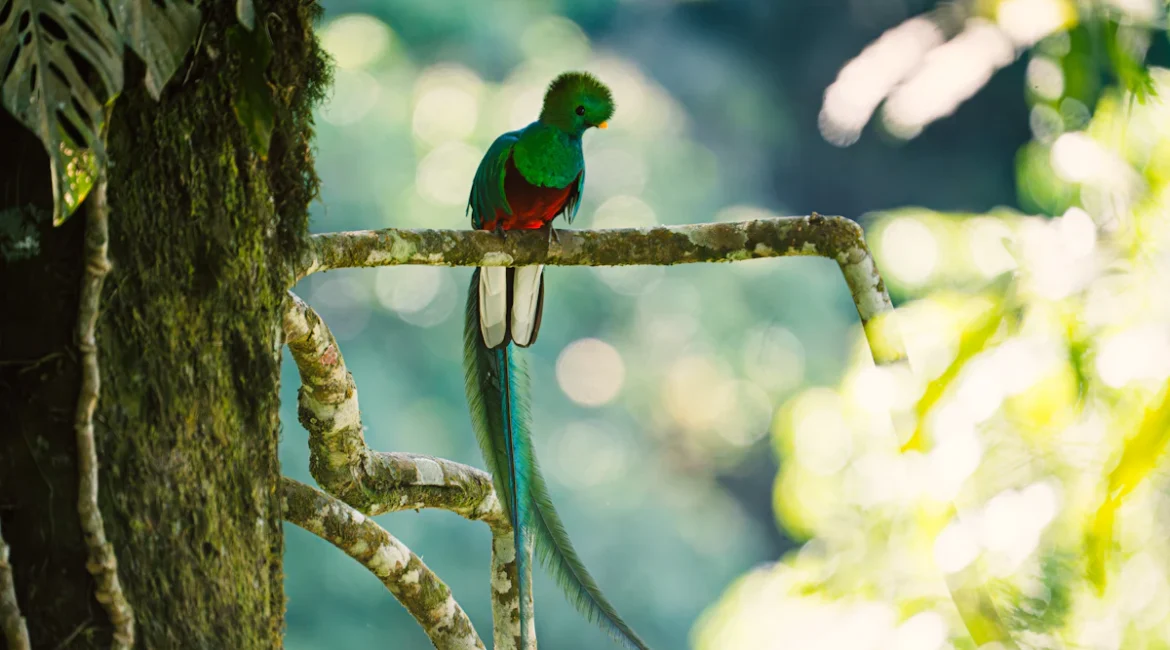
No discussion of Chirripó birds is complete without mentioning the magnificent Resplendent Quetzal. With its iridescent green plumage, crimson breast, and, for males, spectacular long tail feathers, spotting a quetzal chirripo is often the highlight of any birdwatching trip. They prefer cloud forest habitats, often feeding on aguacatillo fruit. Early mornings are generally the best time to find them.
If you’re interested in a broader overview of the park’s natural inhabitants, our Chirripó wildlife guide offers more detailed information on all the animals you might encounter.
Highland Hummingbirds
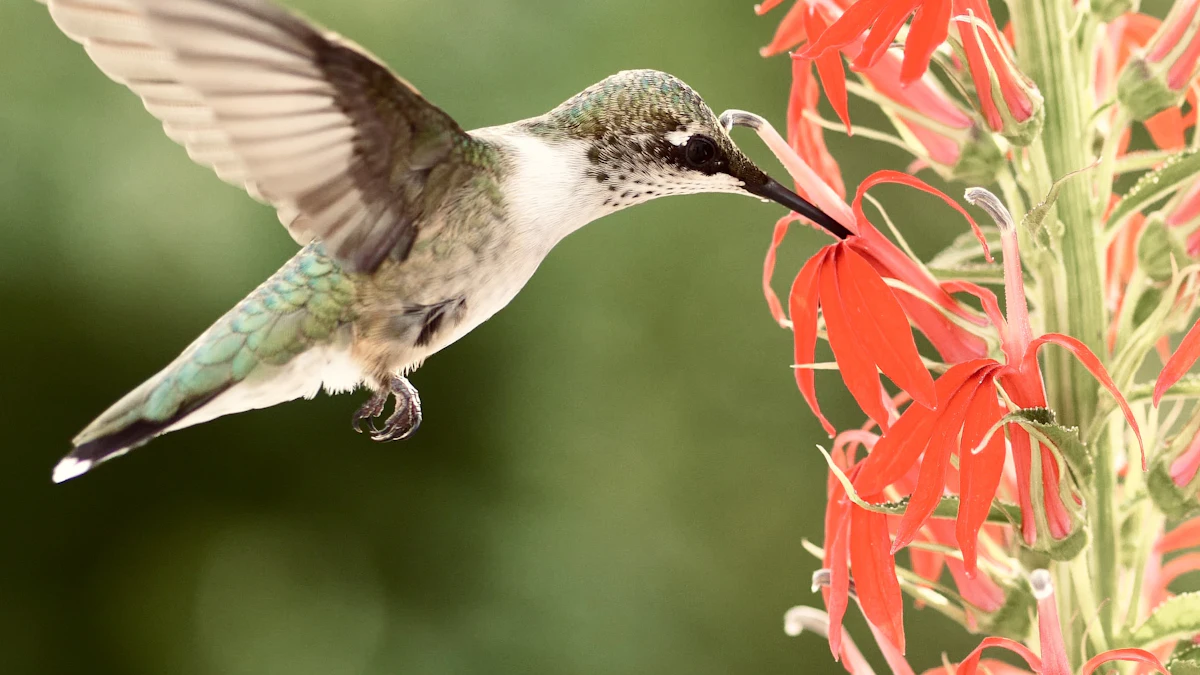
Chirripó is home to several striking hummingbird species. Look out for the Fiery-throated Hummingbird, known for its dazzling iridescent gorget, or the Volcano Hummingbird, often found in higher elevations and paramo. Their rapid wing beats and agile flight make them a joy to observe as they flit between flowers.
Tanagers and Finches
The forests are alive with the vibrant colors of various tanagers and finches. Keep an eye out for the Slaty Flowerpiercer, known for its unique hooked beak adapted for piercing flower bases, or the Large-footed Finch, often seen foraging on the ground. Other beautiful species include the Flame-colored Tanager and the Sooty-capped Bush Tanager.
Raptors and Larger Birds
Above the canopy, you might spot various raptors soaring on thermals. Though less common than smaller passerines, species like the Barred Forest-Falcon or the Black-and-white Owl (often heard at night) add to the park’s avian diversity. The unique Timberline Wren and Volcano Junco are also notable endemic birds Costa Rica has to offer in this high-altitude environment.
Essential Birdwatching Tips for Chirripó
- Best Time to Go: The dry season (December to April) generally offers clearer skies and easier trail conditions, though birds are present year-round. Early mornings are prime birdwatching hours.
- Gear Up: A good pair of binoculars is indispensable for identifying distant birds. Consider a spotting scope for detailed views. A reliable bird identification book or field guide specific to Costa Rica is also highly recommended. For enhanced identification and logging, you can discover Costa Rica wildlife apps. For recommendations on optics, see our guide to the best binoculars for Costa Rica.
- Patience is Key: Birds can be elusive. Take your time, move slowly, and listen carefully to their calls.
Enhancing Your Birdwatching Experience
Consider hiring a local birdwatching guide. Their expertise in identifying calls and knowing specific bird habitats can significantly increase your chances of spotting rare and elusive species. To find certified local experts, you can book local Chirripó guides & tours. Many local guides have an intimate knowledge of the area and its wildlife.
If you’re planning an extended stay, choosing accommodation with dedicated birdwatching areas or proximity to prime habitats can make a big difference. You can compare places to stay near Chirripó to find the best options, and discover some of the best options in our list of hotels with birdwatching opportunities in Chirripó.
Frequently Asked Questions (FAQs)
What are some common birds to see in Chirripó?
Some common birds you might spot include the Resplendent Quetzal, Fiery-throated Hummingbird, Volcano Hummingbird, Large-footed Finch, Slaty Flowerpiercer, and various tanagers and wrens unique to the highland regions.
Where are the best spots for birdwatching in Chirripó?
Excellent birdwatching opportunities exist along the main trail to Base Crestones, particularly in the cloud forest sections. The areas around San Gerardo de Rivas and the trails leading off the main path into undisturbed forest are also highly productive. Your lodge surroundings often provide good initial viewing.
How can I identify a Quetzal in Chirripó?
Look for its vibrant iridescent green and crimson plumage. Males have exceptionally long tail feathers. Listen for their distinctive low, soft vocalizations, often described as a two-note whistle. They are typically found in the cloud forest, often near aguacatillo trees when in fruit. Early morning is the best time for sightings.
