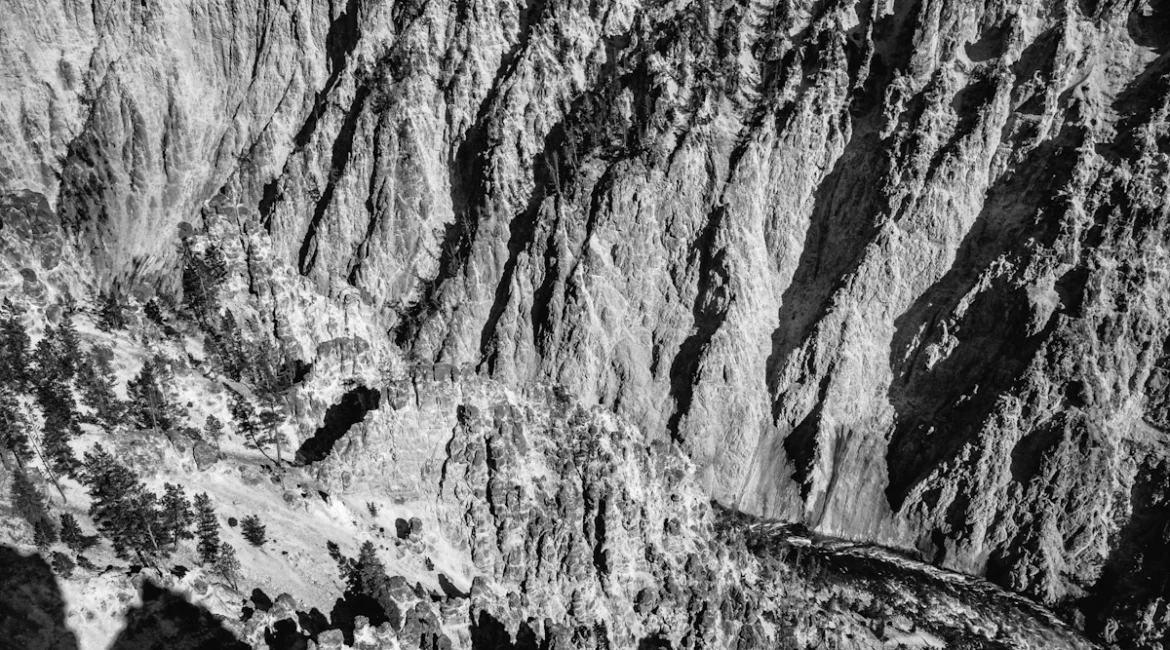
Chirripó National Park, home to Costa Rica’s highest peak, Mount Chirripó, offers an unparalleled adventure for hikers and nature enthusiasts. Planning your trip means considering the best time to visit to ensure optimal weather, trail conditions, and an unforgettable experience. While Chirripó can be accessed year-round, understanding the seasonal nuances is key to making the most of your journey to this magnificent cloud forest and páramo ecosystem. This guide will help you determine the ideal period for your Chirripó adventure, whether you’re seeking clear skies and challenging treks or a quieter, more introspective journey.
Understanding Chirripó’s Seasons
Chirripó experiences two primary seasons: the dry season and the rainy (or green) season. Each brings distinct characteristics that influence the hiking experience.
The Dry Season: December to April
Generally considered the best season to visit Chirripó, the dry season offers the most favorable conditions for hiking.
During these months, you can expect: Less rainfall, sunnier skies, and clearer views from the summit. Daytime temperatures are pleasant, though nights can still be very cold at higher elevations. Trails are typically dry and less slippery, making the ascent and descent easier and safer. This is the most popular time, especially during holidays like Christmas, New Year’s, and Easter. Reservations for permits and lodging at Crestones Base Camp fill up quickly. Plan your trip well in advance. To learn more about securing your spot, check out our guide on Chirripó National Park Permits and Reservations. The chances of experiencing breathtaking panoramic views from the summit are highest during the dry season. Even during the dry season, mountain weather can be unpredictable. Be sure to consult our Chirripó National Park Packing List to be fully prepared for varying temperatures and conditions. For peace of mind during your adventure, consider getting Costa Rica travel insurance.
The Rainy Season: May to November
As an Amazon Associate, we earn from qualifying purchases made through the affiliate links in this article.
The rainy season brings a different kind of beauty to Chirripó, characterized by lush greenery and fewer crowds.
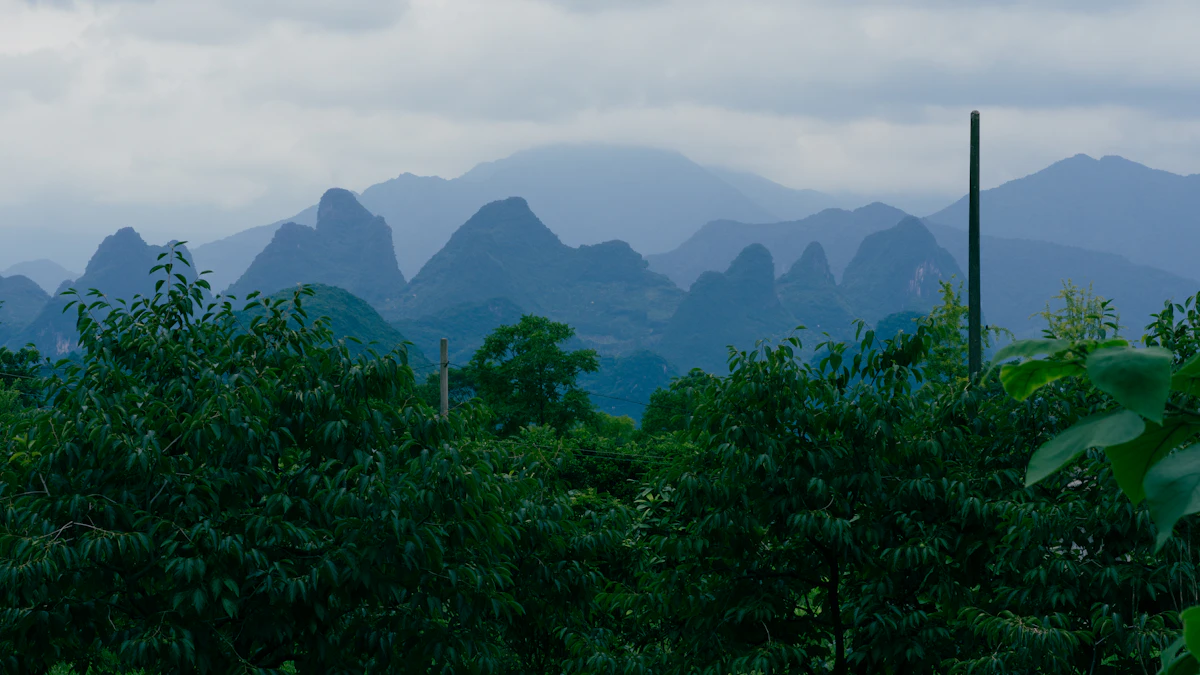
Expect regular afternoon showers, which can range from light drizzles to heavy downpours. Mornings are often clear, making early starts essential. Trails can become very muddy and slippery, especially on the steepest sections. River crossings may be more challenging due to higher water levels. There are significantly fewer visitors compared to the dry season, offering a more solitary experience. Permits might be easier to secure on shorter notice. Summit views can be obscured by clouds and fog, particularly in the afternoons. However, you might witness dramatic cloud formations and mist-shrouded landscapes. The park is incredibly vibrant during the rainy season, with a higher chance of spotting diverse flora and fauna. Proper rain gear and waterproof hiking boots are crucial. Consider bringing trekking poles for added stability on slick trails. For essential gear recommendations, you might want to look for weather-resistant hiking gear or quick-dry travel clothing.
Transitional Months: April and November
These months can offer a mix of both seasons.
April is the tail end of the dry season, often still good but with increasing chances of afternoon showers as the rainy season approaches. November is the transition from rainy to dry. Early November can still be quite wet, while late November sees improving conditions. This can be a good time for those who want fewer crowds than peak dry season but better weather than peak rainy season.
Choosing Your Ideal Chirripó Experience
Your personal preference will ultimately determine the best season for Chirripó.
For Clear Views and Easier Hiking
If your priority is clear skies, panoramic views, and drier, more manageable trails, aim for the dry season (December to April). Be prepared for higher demand and plan far in advance.
For Solitude and Lush Nature
If you prefer fewer crowds, don’t mind rain, and want to experience the vibrant, verdant beauty of the cloud forest and páramo at its most alive, the rainy season (May to November) could be ideal. Just ensure you are well-equipped for wet conditions.
Essential Tips for Any Season
Regardless of when you visit, proper preparation is paramount.
The hike to Chirripó is challenging. Dedicate time to physical training before your trip. Our guide on Preparing for Your Chirripó Hike offers valuable advice. For a more supported journey, Book Local Chirripó Guides & Tours. Always book your permits and base camp lodging as early as possible, especially during peak season. Temperatures can fluctuate dramatically from day to night and as you gain elevation. Layers are essential. Don’t forget UV protection for exposed skin, even on cloudy days. Mountain weather is notoriously unpredictable. Be prepared for changes and embrace the adventure whatever the weather brings.
Frequently Asked Questions
When is the dry season in Chirripó and why is it popular?
The dry season in Chirripó generally runs from December to April. It is popular because it offers the most stable and favorable weather conditions for hiking, with less rainfall, sunnier skies, and clearer panoramic views from the summit. Trails are typically drier and less challenging underfoot, making it an easier and more enjoyable experience for many visitors.
What are the advantages and disadvantages of visiting during the rainy season?
Advantages: The rainy season (May to November) brings lush, vibrant greenery and a higher chance of spotting diverse wildlife. There are significantly fewer crowds, offering a more solitary and peaceful hiking experience. Permits and lodging might also be easier to secure. Disadvantages: Expect frequent afternoon rains, which can make trails very muddy, slippery, and challenging. Visibility from the summit can be obscured by clouds and fog, and river crossings might be more difficult due to higher water levels.
How do seasonal changes affect trail accessibility and wildlife sightings?
Seasonal changes significantly impact trail accessibility. During the dry season, trails are generally well-maintained and less treacherous. In the rainy season, trails become muddy and slippery, potentially requiring more caution and specific gear like trekking poles. As for wildlife, the rainy season often sees more active and visible flora and fauna due to the abundance of water and food resources, making the park particularly vibrant. However, clear visibility for birdwatching or spotting distant animals might be better in the dry season when there’s less foliage obstruction and fog.
Conclusion
Ultimately, the best time of year to visit Chirripó National Park depends on what you seek from your high-altitude adventure. Whether you prioritize clear views and dry trails or a lush, solitary journey amidst the clouds, Chirripó promises an unforgettable experience. By understanding the distinct characteristics of each season and preparing accordingly, you’ll be well on your way to conquering Costa Rica’s highest peak. Don’t forget to arrange Chirripó shuttle transfers.
