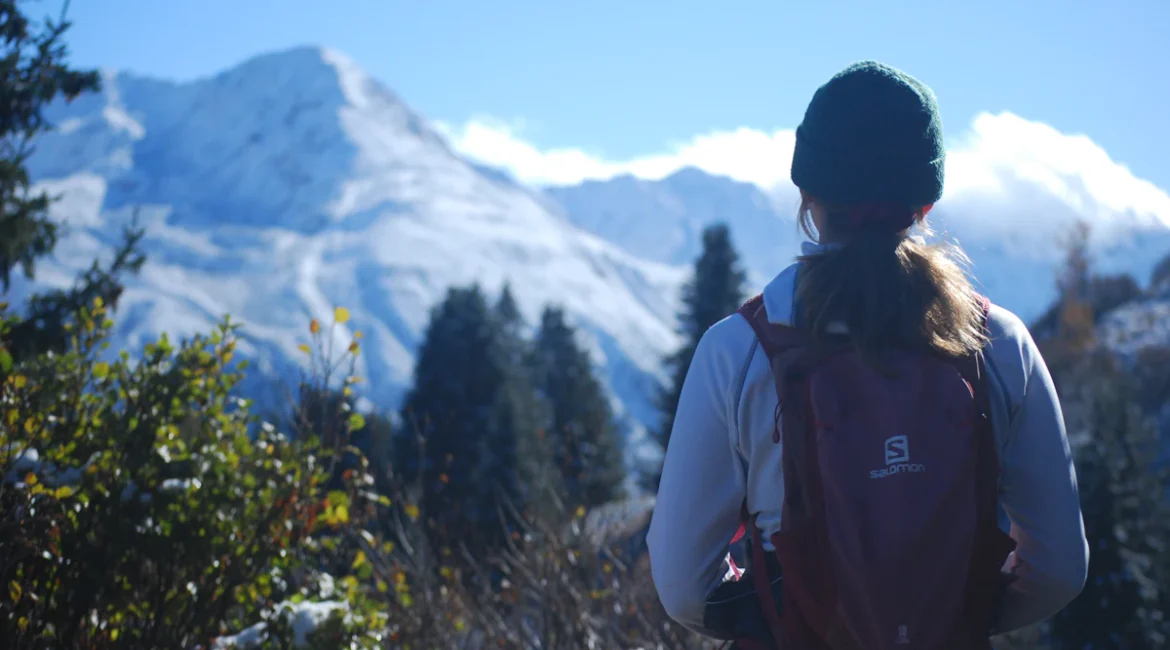
The trek to Chirripó Peak, Costa Rica’s highest point, is an unforgettable adventure. However, its challenging terrain, significant elevation gain, and varying microclimates demand meticulous planning, especially when it comes to hydration. Staying properly hydrated isn’t just about comfort; it’s crucial for performance, safety, and preventing altitude sickness. For complete peace of mind on your journey, consider comprehensive Costa Rica travel insurance.
As an Amazon Associate, we earn from qualifying purchases.
Ensure you have all the essential gear for a safe and comfortable ascent.
Why Hydration is Critical on Chirripó
The Chirripó trek pushes your physical limits. You’ll be gaining thousands of feet in elevation, often under the tropical sun, and at higher altitudes where the air is drier and your body loses water more quickly through respiration. Exertion combined with altitude can lead to rapid dehydration if you’re not diligent about your water intake.
Symptoms of dehydration can range from fatigue and headaches to more serious conditions like muscle cramps, impaired judgment, and an increased risk of altitude sickness, which can severely jeopardize your climb. Proper hydration supports muscle function, regulates body temperature, and aids in nutrient transport, all vital for enduring the multi-day journey.
Planning Your Water Strategy
Water Capacity
Most hikers aim to carry at least 2-3 liters of water at any given time, especially between known water sources. A combination of a hydration bladder in your pack and a sturdy reusable water bottle accessible on your pack straps or in a side pocket is a popular and efficient setup. Consider the weight of water; it’s a significant factor in your pack load.
Electrolytes
Water alone isn’t always enough to replace what your body loses through sweat. Electrolytes like sodium, potassium, and magnesium are vital for muscle function and preventing cramps. Incorporating electrolyte tablets or drink mixes into your water, especially during long stretches or intense exertion, can make a significant difference in your energy levels and overall well-being. Look for options that dissolve easily and don’t leave a strong aftertaste.
Reliable Water Sources on the Chirripó Trail
Base Camp (Crestones Refuge)
The good news is that upon reaching the Crestones Refuge (Base Camp), you’ll have access to potable water. The refuge provides treated tap water for drinking and cooking, which is generally safe. This is an excellent opportunity to fully rehydrate and refill all your containers for the summit push and subsequent descent.
Natural Streams and Springs
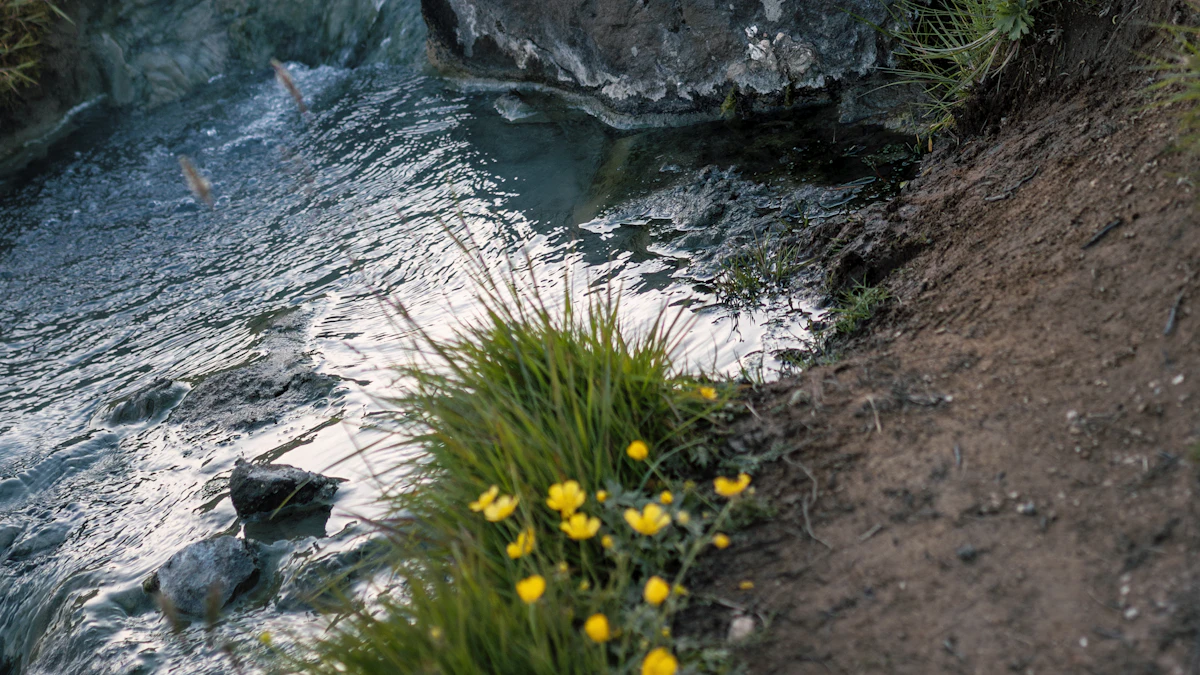
Along the trail, particularly in the lower and middle sections, you will encounter numerous streams and small springs. These are your primary sources for refilling before reaching the refuge. While the water often looks crystal clear, it should always be purified before drinking to prevent gastrointestinal issues from bacteria or parasites.
Your guides or fellow trekkers might be able to point out particularly reliable or fresh spots. To enhance your trekking experience, consider booking local Chirripó guides and tours. Remember to collect water from upstream areas, away from potential human or animal contamination.
Essential Water Purification Methods
Never rely on untreated water on the Chirripó trek. A reliable purification method is non-negotiable for safe hiking.
Water Filters and Purifiers
Portable water filters are perhaps the most popular choice for hikers due to their efficiency and ease of use. These devices can remove bacteria, protozoa, and sometimes even viruses (depending on the type). Options range from squeeze filters to pump systems and gravity filters. A high-quality water filter for hiking is an invaluable piece of gear for Chirripó.
Chemical Treatments
Water purification tablets or drops (e.g., iodine or chlorine dioxide) are lightweight, inexpensive, and an excellent backup method. They typically require a waiting period for effectiveness but are reliable against most pathogens. Carry them even if you have a filter, as filters can malfunction or freeze.
Boiling
Boiling water vigorously for at least one minute (or three minutes at altitudes above 6,500 feet / 2,000 meters) is the most effective way to kill all pathogens. While effective, it’s often impractical on the trail due to the time and fuel required, and the need to wait for water to cool. It’s more suitable for base camp situations if other methods fail.
Hydration Tips for the Trail
Drink Regularly, Not Just When Thirsty
Thirst is often a sign that you’re already mildly dehydrated. Sip water consistently throughout the day, even during breaks. Aim for small, frequent intakes rather than gulping large amounts at once.
Monitor Your Urine
A simple yet effective indicator of hydration is the color of your urine. It should be light yellow or nearly clear. Dark yellow urine suggests you need to drink more.
Pre-Hydration
Start hydrating well before your trek begins. Drink plenty of water in the days leading up to your climb to ensure your body’s reserves are full. You can learn more about preparing for your trek by visiting our Chirripó Overview page, which includes planning your accommodation, where you can compare places to stay near Chirripó.
Post-Hike Rehydration
Don’t stop hydrating once you’ve finished for the day. Continue to drink plenty of fluids and replenish electrolytes to aid recovery and prepare for the next day’s efforts.
Staying adequately hydrated is fundamental to a successful and enjoyable Chirripó trek. By planning your water strategy, knowing your sources, and purifying diligently, you’ll be well-prepared to tackle Costa Rica’s highest summit.
Consider these essential items for your Chirripó trek:
