Responsible Wildlife Viewing in Chirripó National Park
Chirripó National Park, with its stunning landscapes and diverse ecosystems, is a sanctuary for an incredible array of wildlife. From elusive tapirs and playful monkeys to vibrant quetzals and countless other bird species, encountering these creatures in their natural habitat is a highlight for many visitors. To ensure these unforgettable experiences continue for generations, practicing ethical and responsible wildlife viewing in Chirripó is paramount. These guidelines are designed to protect both the park’s precious fauna and the safety of human observers.
As an Amazon Associate, we earn from qualifying purchases.
Why Responsible Wildlife Viewing Matters in Chirripó
The high-altitude cloud forests and páramo ecosystems of Chirripó are unique and incredibly fragile. Every interaction, no matter how small, can have a ripple effect on the delicate balance of this environment and its inhabitants. Understanding the impact of our presence is the first step toward becoming a truly responsible visitor.
Protecting Fragile Ecosystems
Chirripó’s ecosystems support species that are often found nowhere else. Disturbing animals can disrupt their foraging, breeding, and resting behaviors, potentially impacting their survival and the health of the entire ecosystem. Upholding sustainable tourism practices in the Chirripó region helps preserve these vital habitats.
Ensuring Animal Welfare
Wild animals are not pets. Approaching them too closely, making loud noises, or attempting to feed them can cause stress, alter their natural behaviors, and even make them dependent on human interaction, which is detrimental to their long-term welfare. Our goal as visitors is to observe without influencing.
Key Guidelines for Ethical Wildlife Encounters
By following these simple yet crucial guidelines, you can enjoy the magic of Chirripó’s wildlife responsibly and respectfully. Booking a certified local guide can provide invaluable assistance in adhering to these principles.
Observe from a Distance
The golden rule of wildlife viewing is to maintain a respectful distance. Use binoculars or a long lens for your camera to get a closer look without disturbing the animals. If an animal changes its behavior because of your presence, you are too close. For tips on capturing stunning shots without intrusion, check out our guide on wildlife photography tips in Chirripó.
Never Feed or Lure Animals
Feeding wild animals, even with “natural” foods, can lead to aggressive behaviors, nutritional deficiencies, and an unnatural reliance on humans. It also encourages animals to approach park trails and campsites, increasing their risk of harm. The official Chirripó National Park rules strictly prohibit feeding.
Stay on Designated Trails
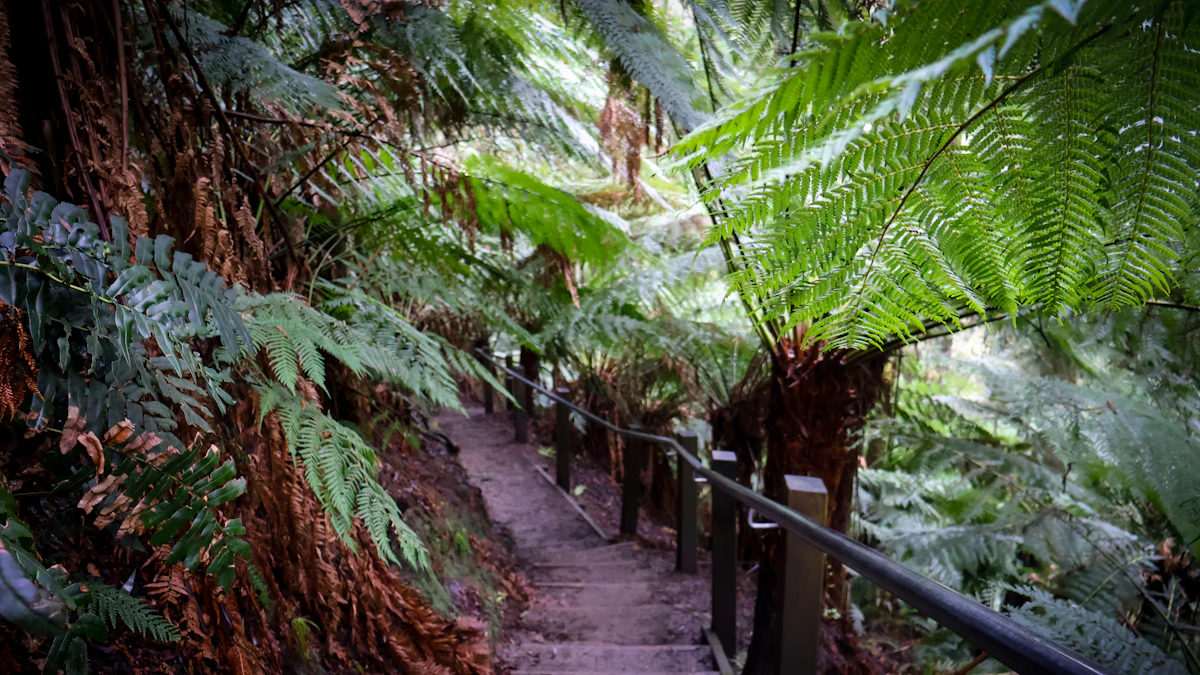
Wandering off trails can damage sensitive vegetation, disturb ground-nesting birds, and increase your chances of an unexpected encounter with potentially dangerous wildlife. Stick to marked paths to protect both yourself and the environment.
Minimize Noise and Movement
Loud noises and sudden movements can scare animals away or cause them unnecessary stress. Move slowly and quietly, and use a hushed voice to increase your chances of spotting wildlife naturally. Wearing quiet rain gear can help minimize sound if you encounter precipitation.
Leave No Trace
Pack out everything you pack in. Any litter, even biodegradable items, can harm animals if ingested or alter their foraging habits. Leave nothing but footprints and take nothing but memories (and photos, from a distance).
Respect Nocturnal Life
Many animals in Chirripó are nocturnal. Avoid using bright lights or flash photography at night, as this can disorient or frighten them. If you must use a light, opt for a red-light setting if available.
Essential Gear for Responsible Wildlife Observation
Having the right equipment can enhance your viewing experience while helping you adhere to ethical guidelines.
Binoculars and Cameras
High-quality binoculars are indispensable for observing animals from a safe distance. Similarly, a camera with a good zoom lens allows you to capture memories without encroaching on wildlife space. Consider our recommendations for the best binoculars for Costa Rica.
Field Guides
A good Costa Rica wildlife app or field guide specific to Costa Rica or the Neotropics can help you identify the species you encounter, enriching your understanding and appreciation of Chirripó’s biodiversity.
Appropriate Clothing
Wear natural, muted colors that blend with the environment, and choose clothing that allows for quiet movement. Layers are essential for Chirripó’s varied climate.
FAQ about Wildlife Viewing in Chirripó
What are the rules for wildlife viewing in Chirripó?
The primary rules for wildlife viewing in Chirripó include observing animals from a respectful distance, never feeding or luring them, staying on designated trails, minimizing noise and sudden movements, and avoiding littering. These rules are in place to protect the animals and ensure a safe and enjoyable experience for all.
How can I minimize my impact on wildlife during my visit?
To minimize your impact, always keep a safe distance, refrain from making loud noises, never attempt to touch or feed animals, and ensure you do not leave any trash behind. Following park regulations and being mindful of your presence in their habitat are key.
Is it permitted to feed or approach animals in the park?
No, it is strictly prohibited to feed or intentionally approach animals in Chirripó National Park. Doing so can harm the animals, alter their natural behaviors, and potentially put visitors at risk.
Supporting Sustainable Tourism
By adhering to these responsible wildlife viewing practices, you become an active participant in the conservation efforts for Chirripó National Park. Your actions help protect this incredible natural heritage for future generations of both wildlife and human visitors. Offsetting your travel carbon footprint is another way to support these efforts. Embrace the opportunity to witness nature on its own terms, and you’ll come away with a deeper appreciation for the wild beauty of Costa Rica.
