Photography Tips for Chirripó: Capturing the Beauty of the Highlands
Chirripó National Park in Costa Rica offers some of the most breathtaking landscapes and unique wildlife opportunities for photographers. From towering peaks and vast paramo to cloud forests teeming with life, every turn presents a new chance to capture stunning images. This guide provides essential photography tips to help you make the most of your adventure and bring home incredible memories. Whether you’re a seasoned pro or an enthusiastic amateur, mastering landscape photography and wildlife photography requires preparation and understanding of the unique highland environment.
As an Amazon Associate, I earn from qualifying purchases.
When to Shoot: Best Time for Photography in Chirripó
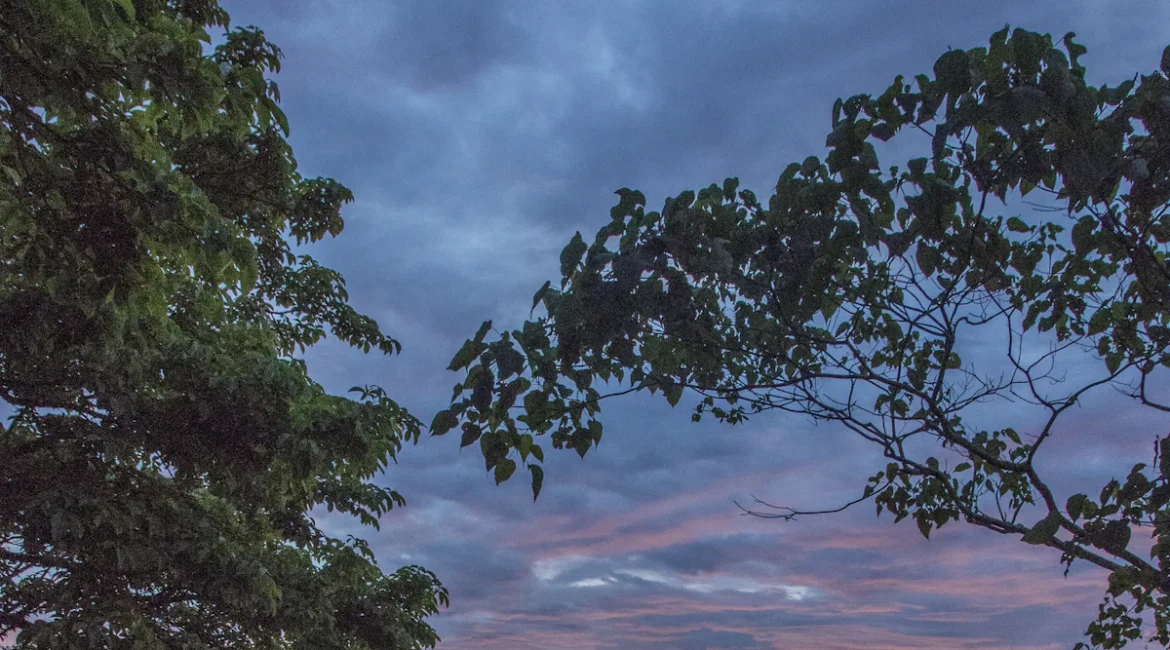
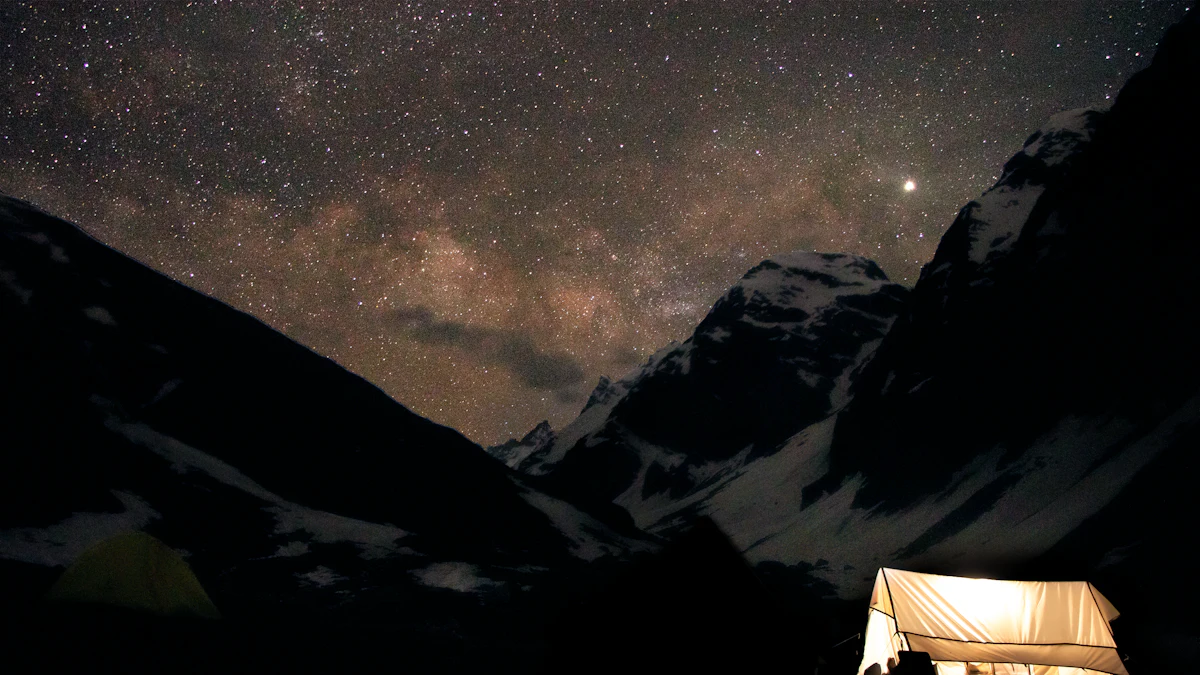
The lighting conditions in Chirripó change dramatically throughout the day, offering diverse photographic opportunities. The best time of day for photography in Chirripó is typically during the golden hours – shortly after sunrise and before sunset. These times provide soft, warm light that enhances the textures of the mountains and the vibrancy of the flora. Sunrise from the peaks, especially Cerro Chirripó itself, offers spectacular panoramic views as the light paints the landscape. Midday can be harsh, but cloudy conditions, common in the highlands, can diffuse light beautifully, creating a softer mood ideal for waterfalls or forest interiors. Don’t overlook the potential for night photography; Chirripó’s remote location offers incredibly dark skies, perfect for capturing the Milky Way.
Essential Photography Gear for the Chirripó Highlands
Choosing the right photography gear for Chirripó is crucial, balancing versatility with the need for a lightweight pack. A sturdy, weather-sealed camera body is highly recommended given the unpredictable mountain weather. For lenses, a versatile zoom lens (e.g., 24-70mm or 24-105mm) is excellent for landscapes, while a telephoto lens (e.g., 70-300mm or longer) is indispensable for capturing the park’s diverse birdlife and mammals from a respectful distance. Don’t forget a lightweight tripod; it’s vital for sharp landscape shots, low-light photography, and starry night skies. A comfortable and durable camera backpack is also essential to protect your equipment while enduring the challenging hikes. Other key accessories include extra batteries (cold weather drains them faster), plenty of memory cards, a headlamp, and cleaning supplies.
Protecting Your Camera from Chirripó’s Elements
Chirripó’s high-altitude environment is characterized by moisture, strong winds, and occasional dust. Learning how to protect my camera from moisture and dust is paramount. Invest in rain covers for your camera and backpack. Ziploc bags or dry bags can offer an extra layer of protection against unexpected downpours. When not actively shooting, keep your camera in your bag. Always carry a microfiber cloth and a blower brush to remove dust and water droplets from lenses and the camera body. Avoid changing lenses in windy or dusty conditions if possible. A UV filter can also provide a physical barrier against scratches and dust on your front lens element.
Mastering Composition and Techniques in the Highlands
To truly capture the essence of Chirripó, consider various photographic approaches.
Landscape Photography
For landscape photography, focus on grand vistas. Use leading lines such as trails or ridges to guide the viewer’s eye. Incorporate elements like unique rock formations, patches of paramo vegetation, or dramatic cloudscapes to add interest. Pay attention to foreground elements to give your images depth and scale.
Wildlife Photography
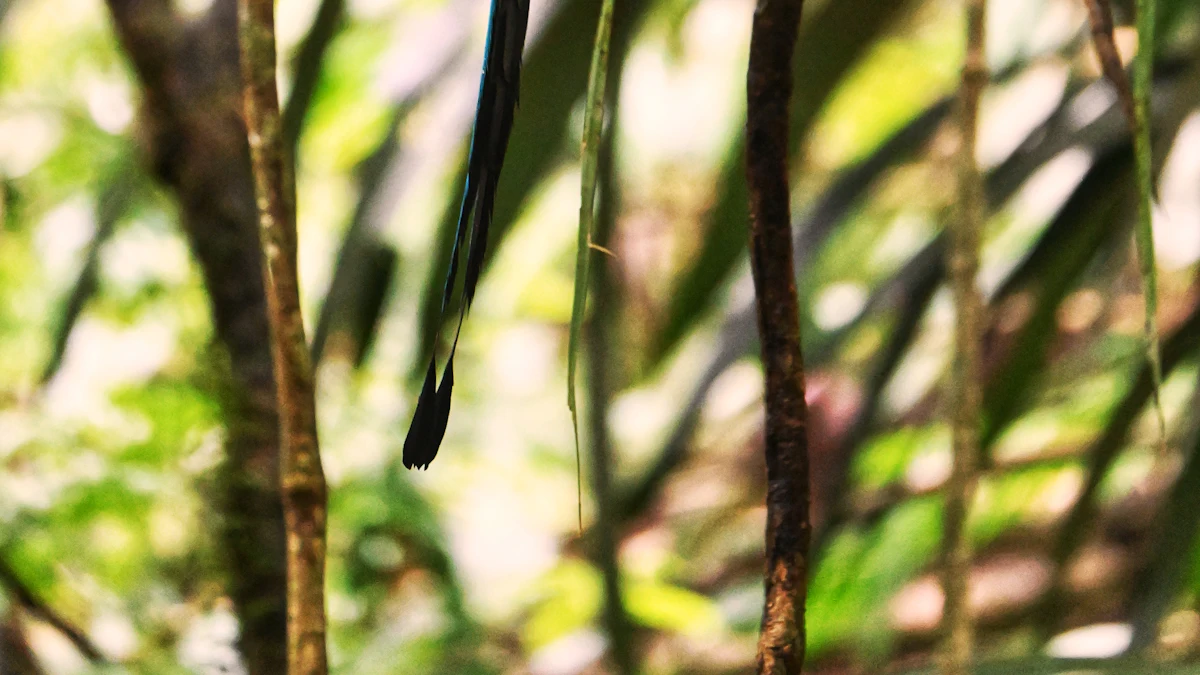
The park is a haven for wildlife photography. Be patient and move slowly. Early mornings are often best for spotting quetzals, hummingbirds, and other unique species. A telephoto lens is vital for close-ups without disturbing the animals. For tips on spotting specific species, check out our guide on chirripó wildlife spotting guide, or consider booking local Chirripó guides & tours for an enhanced experience.
Macro and Detail Shots
Don’t forget the small wonders. The highlands boast a surprising variety of vibrant flowers, mosses, and insects. A macro lens or close-up filters can reveal incredible detail and color in these often-overlooked subjects.
Night Sky Photography
With minimal light pollution, Chirripó offers spectacular opportunities for astrophotography. A wide-angle lens, a sturdy tripod, and a remote shutter release are your best friends for capturing the Milky Way or star trails above the peaks.
Navigating Photography Restrictions in Chirripó National Park
When visiting a protected area like Chirripó, it’s important to be aware of and respect any photography restrictions in the National Park. Generally, photography for personal use is permitted throughout the park. However, commercial photography may require special permits. More importantly, always adhere to “leave no trace” principles: stay on marked trails, do not disturb wildlife or plants for a shot, and be mindful of other hikers. Drones are typically restricted in national parks to protect wildlife and maintain the tranquility of the environment. Always check with the park rangers or official park guidelines for the most current regulations.
Preparation is Key for a Successful Photography Trip
A successful highland photography guide wouldn’t be complete without emphasizing preparation. The challenging terrain and variable weather demand careful planning. This includes deciding where to stay. Compare places to stay near Chirripó to ensure a comfortable base for your adventure. Ensure you have the best hiking gear for Chirripó to make your ascent comfortable and safe, and always refer to our comprehensive list of what to pack for Chirripó to ensure you don’t miss any essentials. Physical preparation is also crucial, as you’ll be carrying your gear at high altitudes.
Capturing the unparalleled beauty of Chirripó requires skill, patience, and the right equipment. By following these photography tips, you’ll be well-equipped to document your journey and share the magic of Costa Rica’s highest peaks through your lens.
