Photography Guide to Chirripó National Park: Capturing Costa Rica’s Highlands
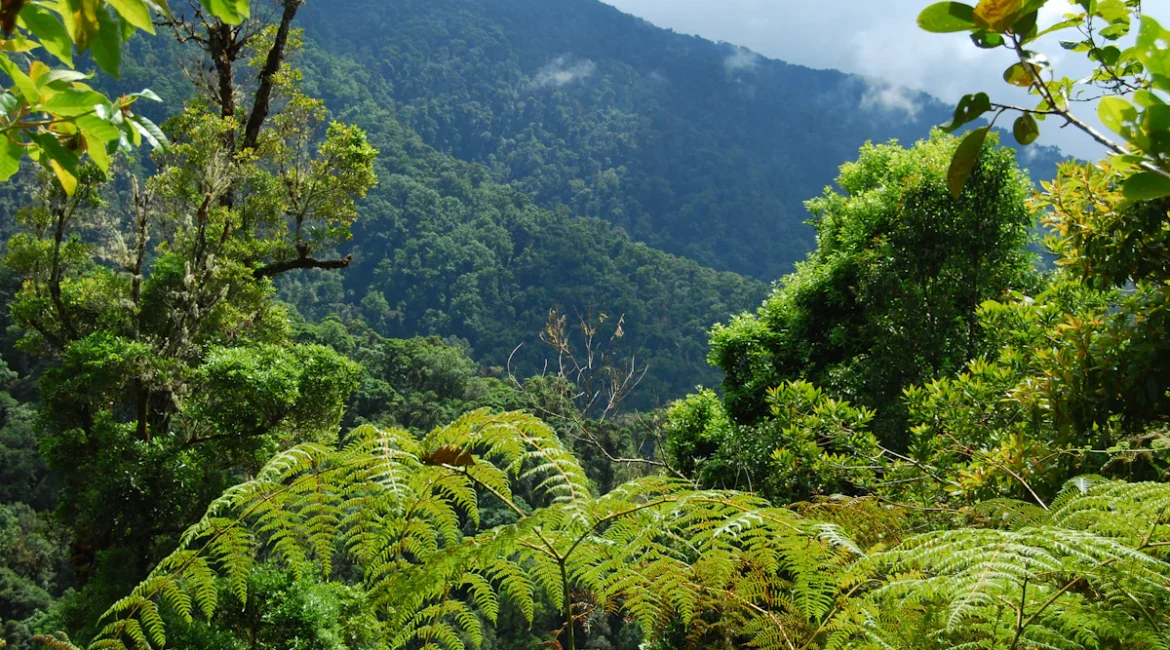
Chirripó National Park, home to Costa Rica’s highest peak, Cerro Chirripó, is a realm of unparalleled natural beauty. Its dramatic landscapes, unique cloud forests, and starry nights offer an extraordinary canvas for photographers. This comprehensive chirripo photography guide aims to equip you with the knowledge and tips needed to capture the breathtaking essence of this highland paradise.
As an Amazon Associate, we earn from qualifying purchases made through links on this page.
Essential Gear for Chirripó Photography
The rugged terrain and varied weather conditions in Chirripó demand careful gear selection. Beyond your camera body, consider packing:
- Lenses: A wide-angle lens (14-24mm or similar) is crucial for sweeping landscapes and astrophotography. A versatile telephoto lens (70-200mm or longer) will be invaluable for capturing wildlife.
- Tripod: A sturdy, lightweight tripod is non-negotiable for sharp landscape shots at dawn/dusk and for any astrophotography endeavors.
- Filters: Polarizers reduce glare and enhance skies, while neutral density (ND) filters allow for long exposures in bright conditions.
- Batteries: Cold weather drains batteries faster. Pack at least three fully charged spares.
- Protection: Rain covers for your camera and lenses are essential, as misty and rainy conditions are common. Dust protection is also wise.
- Cleaning Kit: Lens cloths and a blower are crucial for keeping your glass clear in dusty or humid environments.
For a complete setup, consider a dedicated camera gear backpack that can withstand the elements and distribute weight comfortably during your hike.
Mastering Chirripó Landscape Photography
The ever-changing light and dramatic vistas make chirripo landscape photography incredibly rewarding. Here’s how to make the most of it:
Golden Hour and Blue Hour
The periods just after sunrise and before sunset offer soft, warm light that accentuates the peaks, valleys, and Tundra-like paramo. The hour before sunrise and after sunset, known as blue hour, casts a magical, cool glow perfect for atmospheric shots.
Composition Techniques
Utilize leading lines found in trails or mountain ridges to draw the viewer’s eye. Look for natural frames, such as cloud formations or unique rock structures. Experiment with foreground interest, like endemic plants or unique rock formations, to add depth to your compositions.
Weather Considerations
Don’t be afraid of clouds or fog; they can add incredible mood and drama to your photos. Be ready to capture sudden changes in weather, as the highlands are notoriously unpredictable.
Capturing Chirripó’s Unique Wildlife
While often subtle, Chirripó is home to fascinating flora and fauna, offering unique opportunities for wildlife photography costa rica enthusiasts. Patience is key when seeking out elusive creatures.
Birdwatching Opportunities
Keep an eye out for high-altitude birds like the Resplendent Quetzal, various hummingbirds, and several endemic species. A wildlife photography guide for Chirripó can provide more detailed information on what to spot and where.
Flora and Macro Photography
The cloud forest and páramo ecosystems boast unique plants, mosses, and lichens. A macro lens or close-up filters can reveal intricate details often overlooked in wider landscape shots.
Astrophotography Under Chirripó’s Pristine Skies
Far from light pollution, Chirripó’s night skies are a spectacular display, making it an incredible destination for astrophotography chirripó.
Planning Your Shot
Check moon phases; a new moon offers the darkest skies for capturing the Milky Way. Use apps to track the position of the Milky Way and constellations. Clear nights are essential, so consult weather forecasts.
Camera Settings
Aperture priority or manual mode is recommended. Use a wide-angle lens, set your aperture to its widest (e.g., f/2.8), ISO between 1600-6400, and a shutter speed of 15-30 seconds (adjust based on focal length to avoid star trails). A sturdy tripod and a remote shutter release are indispensable.
When to Plan Your Photography Trip
The dry season (December to April) generally offers clearer skies, which are ideal for both landscape and astrophotography. However, the green season (May to November) brings lush vegetation and dramatic cloud formations, creating different photographic opportunities. For a detailed breakdown, check our guide on the best time to visit Chirripó National Park.
Combining Hiking and Photography
Trekking to Cerro Chirripó is physically demanding. To ensure a safe and enriching experience, you might want to Book Local Chirripó Guides & Tours. Plan your hike with your photography goals in mind. Prioritize lightweight gear, and allow extra time for setting up shots along the trail. Understanding the trail’s challenges can help you plan your energy and time for photography. Read our essential guide to hiking Cerro Chirripó for practical advice.
Ethical Photography in a National Park
Remember to practice Leave No Trace principles. For those looking to further support conservation efforts, consider options to Offset Your Travel Carbon Footprint. Stay on marked trails, do not disturb wildlife or plants, and carry out all your trash. Respect other hikers and the fragile ecosystem. Your photographs should celebrate, not harm, the natural environment.
Conclusion
Chirripó National Park offers an unforgettable experience for any photographer. From sweeping mountain panoramas to intimate wildlife encounters and mesmerizing starry nights, the photographic possibilities are endless. With careful planning, including where to Compare Places to Stay Near Chirripó, the right gear, and a respect for nature, you’ll capture stunning images that truly tell the story of Costa Rica’s magnificent highlands.
