
Chirripó National Park, home to Costa Rica’s highest peak, Mount Chirripó, is a jewel of biodiversity. This remote and rugged region offers a unique window into high-altitude tropical ecosystems, teeming with specialized Chirripó flora and fauna found nowhere else. From mystical cloud forests to the stark beauty of the páramo, understanding these distinct environments is key to appreciating the park’s natural wonders.
We may earn a commission from purchases made through the Amazon links in this article.
Understanding Chirripó’s Unique Ecosystems
The dramatic altitudinal gradient within Chirripó National Park creates a mosaic of Chirripó ecosystems, each with its own characteristic climate, soil, and life forms. These diverse habitats contribute to the park’s exceptional ecological richness.
Cloud Forests: Mists and Biodiversity
At lower to mid-elevations (around 2,000 to 2,800 meters), you’ll find lush cloud forests. These enchanting environments are perpetually shrouded in mist and fog, which provides constant moisture. Trees here are often gnarled and covered in a spectacular array of epiphytes—orchids, bromeliads, mosses, and ferns—creating a vibrant, multi-layered canopy. The cool, damp conditions are ideal for a myriad of insects, amphibians, and birds.
Páramo: The Alpine Tundra of the Tropics
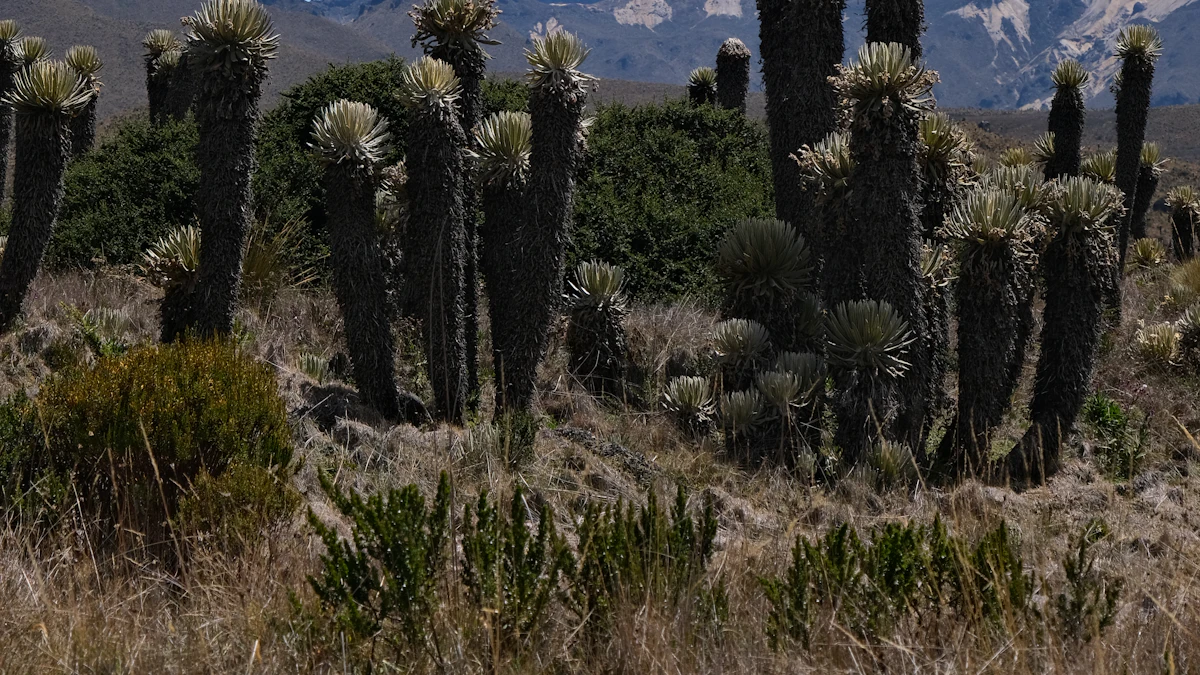
Ascending above approximately 3,400 meters, the landscape dramatically shifts to páramo, a unique high-alpine grassland ecosystem. Characterized by strong winds, drastic temperature fluctuations between day and night, and thin, often acidic soils, the páramo supports specialized Costa Rica highland plants adapted to these harsh conditions. You’ll observe stunted trees, tough grasses, and distinctive “cauliflower” or “espeletia-like” plants, many of which are endemic to these high-altitude tropics.
Oak Forests: Transition Zones
Between the cloud forest and the páramo, especially on sheltered slopes, vast tracts of ancient oak forests thrive. Dominated by massive oak trees (Quercus costaricensis), these forests are home to different plant and animal communities, serving as a vital transition zone. The cooler, drier air compared to the cloud forest still provides ample moisture, supporting a rich understory and significant wildlife populations.
Remarkable Flora of Chirripó
The park is a botanist’s dream, boasting an incredible array of unique Chirripó flora. In the cloud forests, look for vibrant orchids and bromeliads clinging to tree trunks, as well as tree ferns. As you climb towards the páramo, the vegetation becomes more resilient. Keep an eye out for the distinct “paramo shrubs” and the peculiar Chusquea bamboo species that dominate vast areas. Many plants here have evolved fuzzy leaves or compact growth forms to withstand the cold and wind. For those interested in identifying these unique species, a plant identification guide can be an invaluable companion.
Fascinating Fauna of Chirripó
Chirripó is a haven for diverse wildlife, from elusive mammals to colorful birds. While dense vegetation can make sightings challenging, patience often rewards visitors. Common mammals include tapirs, deer, and various small rodents. However, the true stars are often the birds. The cloud forests are home to the resplendent quetzal, bellbirds, and various hummingbirds. In the páramo, look for soaring raptors like the black-chested buzzard-eagle. Keep your eyes open for tracks and listen for calls; you might even spot a puma or jaguar, though these are extremely rare. To better spot and identify wildlife, carrying a Costa Rica wildlife book, to discover Costa Rica wildlife apps, and a good quality nature photography lens can greatly enhance your experience.
Preparing for Your Chirripó Encounter
Exploring the natural wonders of Chirripó requires preparation. Understanding the different ecosystems will help you appreciate the journey along the Chirripó trails. To make the most of your adventure and navigate safely, you may wish to book local Chirripó guides & tours. Be ready for varied weather conditions, from misty cloud forests to exposed páramo. The rewards, however, are immense: breathtaking landscapes and encounters with life forms adapted to one of Earth’s most challenging yet beautiful environments.
Frequently Asked Questions about Chirripó’s Nature
What are the distinct ecosystems found in Chirripó?
Chirripó National Park features several distinct ecosystems due to its varied altitude. These primarily include humid cloud forests at lower elevations, extensive oak forests in transitional zones, and the unique high-alpine páramo at the highest altitudes, often above 3,400 meters.
What unique plant species grow in the Chirripó highlands?
The Chirripó highlands are home to many endemic and specialized plant species. In the páramo, you’ll find hardy grasses, dwarf shrubs, and “espeletia-like” plants adapted to cold, wind, and intense UV radiation. The cloud forests boast a spectacular array of epiphytes, including numerous orchid and bromeliad species, as well as ancient tree ferns.
Can I see rare animals in Chirripó National Park?
Yes, Chirripó National Park is home to several rare and elusive animal species. While sightings require patience, you might encounter Baird’s tapirs, pumas, jaguars (though very rare), and various species of monkeys. Birdwatchers are often rewarded with sightings of the resplendent quetzal, black-faced solitaire, and many species of hummingbirds.
How does the altitude affect the park’s flora and fauna?
Altitude profoundly affects Chirripó’s flora and fauna by creating distinct climatic zones. As elevation increases, temperatures drop, wind speeds rise, and oxygen levels decrease. Plants adapt by becoming more stunted, developing fuzzy leaves, or growing in compact forms. Animals develop thicker coats, larger lungs, or specialized diets to thrive in these harsher conditions, leading to the unique biodiversity observed in each altitudinal zone.
